
Africa Is Not One Country - Why the Travel Industry Is Failing the Continent
Written by: The Platinum Club Save to Instapaper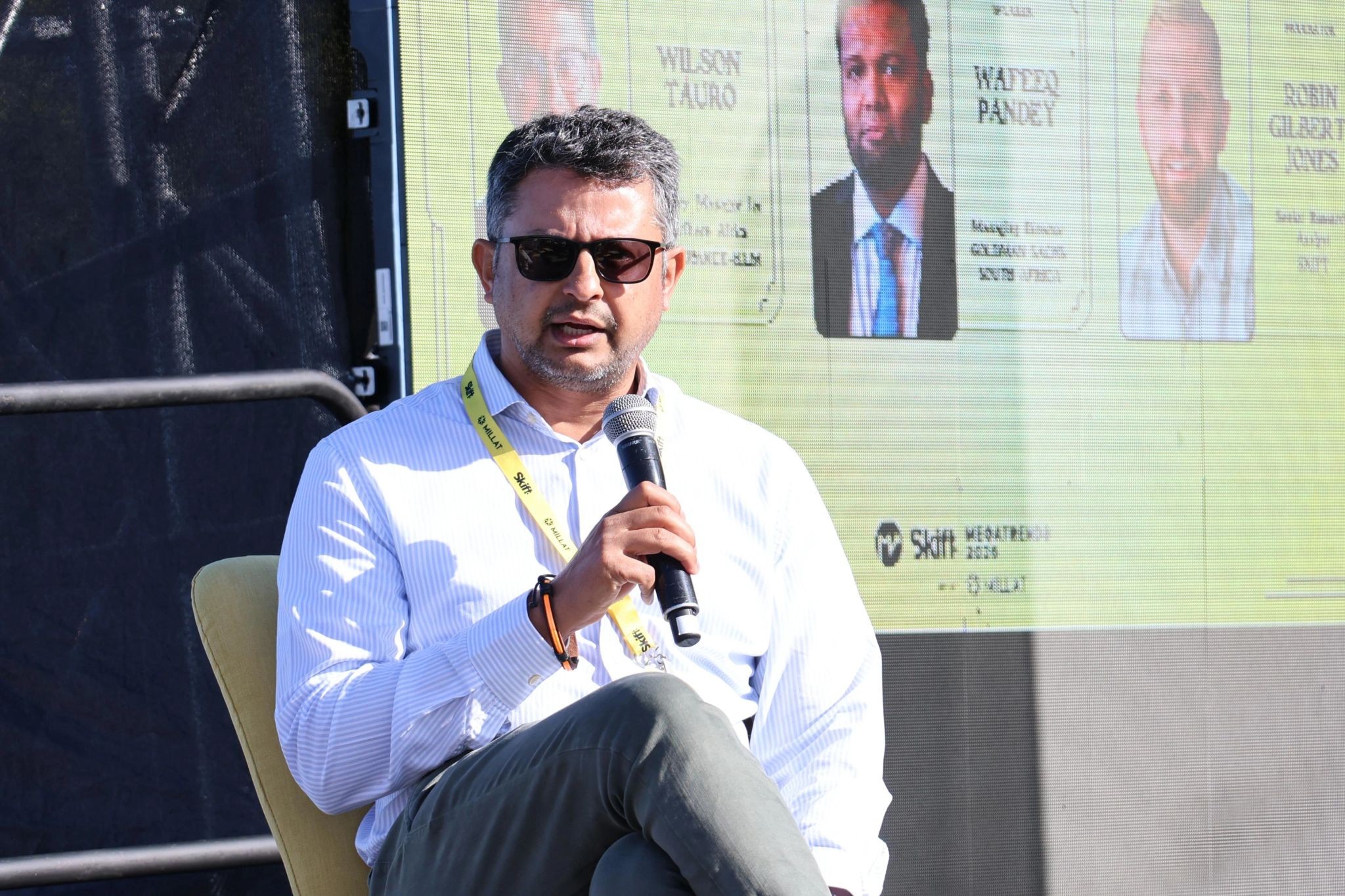
For all the talk about Africa’s tourism potential, one fundamental problem remains stubbornly unresolved: the world still sees the continent as a single destination. According to Wilson Tauro, Country Manager Southern Africa for Air France-KLM, this misconception is not only inaccurate, but also actively holding Africa back.
“One of the biggest challenges Africa faces is that it’s seen as one country,” Tauro says at the 2026 Skift Travel Megatrends event which took place in Cape Town recently. “If someone sneezes in Ghana, the rest of the world assumes the whole continent is sick. That simply doesn’t happen with Europe.”
The Clarity Gap
Tauro draws a sharp contrast between how the world perceives Europe versus Africa. He explains that in Europe, there is a distinct clarity regarding what each country offers. Travellers know what to expect when they visit Germany versus France. However, he believes the travel industry has not successfully managed to pass that same message regarding Africa.
“The travel industry hasn’t done enough to shift that perception,” Tauro says. “Africa is not only about safari. It’s about diversity, culture, art, music, food, history and lived experience. Every country has something different to offer.”
This lack of differentiation has real consequences. While Africa is home to 54 countries, tourism flows are heavily concentrated in a handful of destinations. North Africa, particularly Morocco, Tunisia and Egypt, accounts for more than half of the continent’s international tourist arrivals. East African safari hubs and South Africa follow. Beyond these pockets, much of the continent remains invisible to global travellers.
“If you remove those destinations, the numbers across the rest of Africa are alarming,” Tauro says. “Only about 5% of global tourists travel to Africa. That’s a systemic failure, not a lack of product.”
The ‘Cape and Kruger’ Concentration
This lack of diversification is evident even within South Africa. Tauro points out that 90% of tourists visiting South Africa head straight to Cape Town and the Kruger National Park, with no conscious effort from the industry to push the other parts of the country.
“There’s no real push to encourage tourists to explore the rest of the country,” he says. “The same applies across the continent. Incredible destinations remain underdeveloped and under-promoted because they’re not part of the dominant narrative.”
He’s passionate about this because he’s lived it. “I’ve always been very vocal,” he says. “I’ve lived here. I know what’s possible.” But changing the narrative requires collective effort, from government, tourism boards, private sector, airlines, hotels, and marketers, to tell the fuller story of what South Africa and each country across Africa offers.
A Global Reality Check
The scale of the opportunity becomes even clearer when viewed globally. France alone welcomes more than 100 million visitors a year. Africa, collectively, attracts only a fraction of that number, despite its size, diversity and depth of experiences.
Until governments, airlines, the travel industry and the private sector work together to build a stronger, more connected tourism ecosystem, Africa’s promise will remain under-realised and the perception of “Africa as one country” will persist. As a result, millions of potential visitors will continue to miss out on travel opportunities across the continent – not because Africa lacks experiences, but because it lacks recognition. Yet if these stakeholders align, the continent has everything it needs to compete confidently on the world stage.
Submitted on behalf of
- Company: The Platinum Club
- Contact #: 1
- Website
Press Release Submitted By
- Agency/PR Company: The Platinum Club
- Contact person: El Broide
- Website
Get new press articles by email
The Platinum Club is a boutique entertainment, lifestyle and travel PR agency based in Johannesburg, South Africa.
Latest from
- Lindiwe Sanitary Pads Celebrates Jacaranda FM’s Her Perfect Pitch Win as the Fight Against Period Poverty Continues
- Tropika Island Of Treasure and PEP bring ‘Golden Ticket’ audition experience to Joburg, Cape Town, Durban and Pretoria
- A Behind-The-Scenes Look At How Air France Turns In-Flight Dining Into a Culinary Experience
- Season 11 Winner Hungani Ndlovu Scouts Thailand for the Next Season Of Tropika Island of Treasure
- TiMO ODV Dishes On What Fans Can Expect From His B2B Set With Kyle Cassim At Ultra South Africa This Year
- South African Celebs Share How They’re Spending The Easter Weekend
- TCL Set to Be the First to Bring Groundbreaking SQD-Mini LED Technology to South African Consumers in 2026
- Chad Jones Discovers the Hidden Treasures of Antalya on the Hunt for the Next Tropika Island Paradise
- A Wild Easter Weekend Awaits at Gauteng’s Top Wildlife Parks
- How to Make a Lasting Impression During Your Internship
- Carol Ofori Opens Up About the Realities of Raising Kids in a Digital-First World
- Run the World’s Most Beautiful Marathon with BYD
- Why Most of Africa Is Losing the Tourism Race Before It Even Starts
- One Month To Go Until ULTRA South Africa Brings The Hottest Global And Local Acts To Dance Music Fans
- Jacaranda FM’s Philicity Reeken Shares the Emotional and Physical Reality of Her 35kg Weight Loss Journey
The Pulse Latest Articles
- Ai Isn’t Shrinking Marketing Jobs - It’s Exposing A Bigger Talent Crisis (April 8, 2026)
- Stones Safaris Unveils A New Approach To Safari Through Experience-led Activities (April 8, 2026)
- Bright Beginnings Preschool Celebrates Linden Campus (April 2, 2026)
- Female Founders Announce Launch Of South Africa’s Premium Brand Advisory Firm: Aura (April 2, 2026)
- Ai Fraud Defence Launches In South Africa As Deepfakes Hit Financial Institutions (April 1, 2026)