
Shandor Larenty Calls on South Africans to Reclaim Their Role in Conservation This World Wildlife Day
Written by: The Platinum Club Save to Instapaper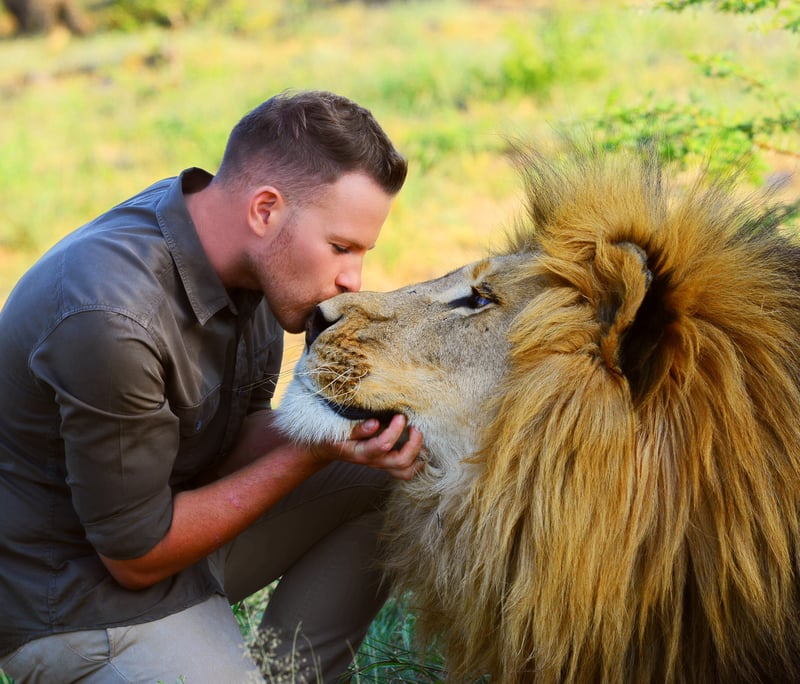
As the world marks World Wildlife Day on 3 March, South Africa finds itself at a defining moment in conservation. Home to some of the planet’s most iconic species, the country has long balanced biodiversity protection with a thriving tourism economy. But in an era shaped by rapid development, climate pressure and growing human expansion, conservation today demands far more than preservation, it requires active, science-led ecosystem management.
Behind every thriving reserve is a structured system of ecological planning, veterinary science, compliance, habitat management and sustainable tourism strategy. Modern conservation is complex, deliberate and constantly evolving.
At the forefront of this work is Shandor Larenty, Group Wildlife and Conservation Manager at the Lion & Safari Park in the Cradle of Humankind. With decades of hands-on experience, Larenty shares insight into the realities of modern conservation, and why every South African has a role to play in protecting the country’s natural heritage.
South Africa is home to some of the world’s most iconic wildlife species. From your perspective, what makes our country such an important player in global conservation efforts?
South Africa sits at the forefront of global conservation because we do not just protect wildlife, we actively manage it. Our private reserves, national parks and conservation networks have created one of the most advanced wildlife management systems in the world. From rhino protection strategies to structured breeding programmes, veterinary innovation and habitat restoration, we are constantly adapting.
What makes South Africa unique is the integration between conservation and sustainable tourism. Wildlife here is not locked away from people. It is experienced responsibly, which creates funding, employment and long-term viability. We have shown the world that conservation can be both ethical and economically sustainable when managed correctly.
You’ve spent much of your life working closely with animals. What are some of the biggest misconceptions South Africans have about wildlife and conservation work?
One of the biggest misconceptions is that conservation is simply about loving animals. It is not. It is complex, strategic and often incredibly difficult work. It involves policy, compliance, habitat management, genetics, nutrition, veterinary oversight and financial sustainability.
Another misconception is that wildlife will survive on its own if left alone. In modern South Africa, that is simply not the case. Fences, land fragmentation and human pressure mean that wildlife requires active management. Conservation today is hands on, science driven and deeply structured.
Social media has allowed you to connect with audiences around the world. How important is storytelling in changing perceptions about African wildlife and conservation?
Storytelling is everything. Facts inform people, but stories move them. When people see the personality of a lion, the curiosity of a giraffe or the resilience of a rhino, they connect emotionally. That emotional connection is what drives support, funding and behavioural change.
Through digital platforms, we have the opportunity to show the world that Africa is not a crisis headline. It is innovation, biodiversity and hope. When used responsibly, social media becomes one of the most powerful conservation tools of our generation.
For young South Africans who are passionate about animals but unsure about career paths, what opportunities exist within conservation that they may not know about?
Conservation is far broader than field guiding or veterinary science. There are roles in wildlife nutrition, environmental compliance, research coordination, species management planning, data analysis, ecological rehabilitation, communications, tourism strategy and reserve operations.
There are also opportunities in policy development, community engagement and conservation finance. The future of wildlife depends not only on people in the bush, but also on people in boardrooms, labs and digital spaces. Passion is important, but skills and structure are what turn that passion into impact.
On this World Wildlife Day, what message would you like every South African to hear about their role in protecting our country’s natural heritage?
Wildlife is not someone else’s responsibility. It belongs to all of us. Our natural heritage is one of South Africa’s greatest assets, culturally, environmentally and economically.
Every South African benefits from biodiversity, whether through tourism revenue, ecosystem services or national identity. Protecting it requires awareness, accountability and pride. We cannot separate our future from the future of our wildlife.
If there was one action every individual could take today to support wildlife and ecosystems, what would you encourage them to do?
Become informed and intentional. Even small daily decisions matter, from reducing waste to supporting conservation initiatives. Real change begins with conscious choices. When millions of individuals act responsibly, the collective impact is extraordinary.
As World Wildlife Day reminds us of nature’s irreplaceable value, the Lion & Safari Park is calling on South Africans to step forward, not as observers, but as active custodians of the wildlife that defines our nation.
Submitted on behalf of
- Company: The Platinum Club
- Contact #: 1
- Website
Press Release Submitted By
- Agency/PR Company: The Platinum Club
- Contact person: El Broide
- Website
Get new press articles by email
The Platinum Club is a boutique entertainment, lifestyle and travel PR agency based in Johannesburg, South Africa.
Latest from
- Lindiwe Sanitary Pads Celebrates Jacaranda FM’s Her Perfect Pitch Win as the Fight Against Period Poverty Continues
- Tropika Island Of Treasure and PEP bring ‘Golden Ticket’ audition experience to Joburg, Cape Town, Durban and Pretoria
- A Behind-The-Scenes Look At How Air France Turns In-Flight Dining Into a Culinary Experience
- Season 11 Winner Hungani Ndlovu Scouts Thailand for the Next Season Of Tropika Island of Treasure
- TiMO ODV Dishes On What Fans Can Expect From His B2B Set With Kyle Cassim At Ultra South Africa This Year
- South African Celebs Share How They’re Spending The Easter Weekend
- TCL Set to Be the First to Bring Groundbreaking SQD-Mini LED Technology to South African Consumers in 2026
- Chad Jones Discovers the Hidden Treasures of Antalya on the Hunt for the Next Tropika Island Paradise
- A Wild Easter Weekend Awaits at Gauteng’s Top Wildlife Parks
- How to Make a Lasting Impression During Your Internship
- Carol Ofori Opens Up About the Realities of Raising Kids in a Digital-First World
- Run the World’s Most Beautiful Marathon with BYD
- Why Most of Africa Is Losing the Tourism Race Before It Even Starts
- One Month To Go Until ULTRA South Africa Brings The Hottest Global And Local Acts To Dance Music Fans
- Jacaranda FM’s Philicity Reeken Shares the Emotional and Physical Reality of Her 35kg Weight Loss Journey
The Pulse Latest Articles
- Interpol Warns Of Global Crime Networks, Sa Businesses Urged To Rethink Detection (April 10, 2026)
- Adaptive Leadership In Motion: Why Logistics Needs A Different Kind Of Strength (April 9, 2026)
- Ai Isn’t Shrinking Marketing Jobs - It’s Exposing A Bigger Talent Crisis (April 8, 2026)
- Stones Safaris Unveils A New Approach To Safari Through Experience-led Activities (April 8, 2026)
- Bright Beginnings Preschool Celebrates Linden Campus (April 2, 2026)