
Economic Challenges Intensify As South Africans Confront Higher Prices And Interest Rates
Written by: BizCommunity Editor Save to Instapaper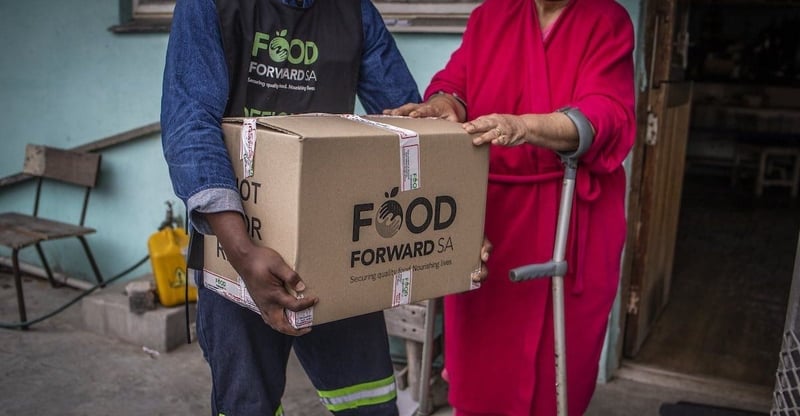
For several consecutive years, the survey has shown that food prices are escalating well ahead of inflation, and 2026 is no exception. While the prices of maize meal and rice have decreased by between 10% and 12% year on year, overall, the data shows a 13.53% increase in the total basket of 120 items. There are a few notable spikes: fruits and vegetables are up 35% year on year, bakery goods have increased by 14.5%, chicken prices are between 6% and 10% higher, and pilchards are up 8%.
Consumer price inflation (CPI) rose to 4% year on year in April, up from 3.1% in March – driven largely by higher fuel prices linked to the escalating conflict between Iran and the United States. With no clear end to the conflict in sight, South Africans are likely to face a third consecutive month of hefty fuel price increases. This inevitably places further upward pressure on food prices, as most consumer goods in South Africa are transported by road.
Just a few months ago, the South African Reserve Bank (SARB) was contemplating a series of interest rate cuts, encouraged by modest economic growth, improved fiscal indicators, better management of government debt, and targeted reforms. Now, the SARB has commenced what will be a series of interest rate hikes in the months to come, signalling further pain for already overburdened consumers. Food and fuel prices, along with higher taxi fares and persistently high electricity costs and other essential living expenses is too much to deal with all at once.
Recent reports from Debt Rescue paint a distressing picture of mounting pressure on South African households. According to its latest consumer report, nine out of ten households say they are under serious financial strain, with more than half facing severe pressure and uncertain how they will cope.
“This signals a critical tipping point in the country’s cost-of-living crisis that has driven millions of people to their knees,” says Debt Rescue CEO Neil Roets. The report warns that “increasingly, households are cutting back on essential food items and other basic necessities, and that fuel costs are central to this dynamic.”
According to the latest Statistics South Africa General Household Survey, 40% of South Africans were receiving some form of social grant in 2024/2025, equating to roughly 25 million people. This percentage has risen significantly since 2019, when it stood at around 31%.
Counting the cost
South Africans are getting poorer, and concerns are mounting over the growing financial pressure facing households. The rising cost of living, combined with stagnant wage growth, means families are being forced to make increasingly difficult choices – changing buying patterns, purchasing cheaper foods, eating less, and skipping meals altogether.
But what happens when all these coping mechanisms have been exhausted, and households still fall desperately short of meeting even their most basic needs? The consequences are devastating desperation, anxiety, fear, and anger that often manifest in the cruellest ways – starvation, malnutrition, political instability, rising crime, and other harmful survival strategies.
The FoodForward SA Household Food Insecurity Report 2026, released earlier this year, revealed heartbreaking stories from mothers who have to tell their young children there is no food to eat at night, and they have to go to bed hungry. Many broke down as they shared the painful realities they face every day.
Child stunting and malnutrition are increasing, while reports of hunger-related deaths continue to emerge across vulnerable communities. Consumers are spending more than 60% of their income servicing debt, leaving many overwhelmed and vulnerable to exploitation by loan sharks and other dangerous coping mechanisms.
The inequality gap continues to widen. Unemployment remains critically high, while youth unemployment is reaching crisis levels. Millions of households are under relentless financial pressure and simply not coping. Fears of social unrest reminiscent of the July 2021 riots are becoming increasingly difficult to ignore.
South Africa cannot afford to normalise hunger, deepening poverty, and economic exclusion. Urgent and far-reaching reforms are needed to stimulate inclusive economic growth, create jobs, stabilise food and fuel costs, strengthen social protection systems, and restore dignity to struggling households. Without decisive intervention, the country risks sliding deeper into a humanitarian and socio-economic crisis that will become far more difficult and far more costly to reverse.
Get new press articles by email
We submit and automate press releases distribution for a range of clients. Our platform brings in automation to 5 social media platforms with engaging hashtags. Our new platform The Pulse, allows premium PR Agencies to have access to our newsletter subscribers.
Latest from
- Growing Calls For Stronger Bereavement Leave Policies In South African Workplaces
- Santam Syndicate 1918 Appoints Sam Geddes As Chief Executive Officer
- AI And Learning Innovation Set To Reshape Africa’s Global Workforce Competitiveness
- Helm Highlights Intellectual Property Risks As Organisations Expand AI Capabilities
- Atlantic Seaboard Buyers See Returns Driven By Asset Selection Not Market Momentum
- Portfolio Committee On Health Marks National Cancer Survivor Day With Renewed Commitment
- News24 And Netwerk24 Introduce All That And Alles For Informed Consumer Choices
- Helene Joubert Gebruik Kreatiwiteit Om Wyn Vir ’n Nuwe Generasie Te Herdefinieer
- From Limpopo Gardens To Acclaimed Wines For Rising Talent Mosima Mabelebele
- Businesses Urged To Strengthen Compliance Strategies As Economic Crime Evolves
- Elani Nell Bring Kreatiewe Storievertelling Na Die Hart Van Die Wynbedryf
- Johannah Shibe Moloantoa Emerges As A Rising Star In South Africa’s Wine Industry
- Simon Terblanche Se Reis Beklemtoon Die Krag Van Fokus En Deursettingsvermoë
- Hugo Pietersen Se Inspirasieverhaal Beklemtoon Talent Groei En Vasberadenheid
- Luhan Steyn Se Reis Beklemtoon Die Volgende Generasie Wynbedryftalent
The Pulse Latest Articles
- South African Women Are Missing This Essential Nutrient (May 20, 2026)
- Opinion Piece: Rethinking Performance: Why Behaviour Remains The Missing Link In Evaluation (May 20, 2026)
- 125 Years Of Hansgrohe And The Designers Who Made Axor A Luxury Language (May 19, 2026)
- World Whisky Day: Whisky Lovers Challenged To Stop Saving Their Best Bottles (May 15, 2026)
- Hidden Inefficiencies Are Draining South African Businesses (May 15, 2026)