
The Shape of Hunger Has Changed - South Africa's Evolving Nutrition Crisis Demands a New Response
Written by: Afrika Tikkun Save to Instapaper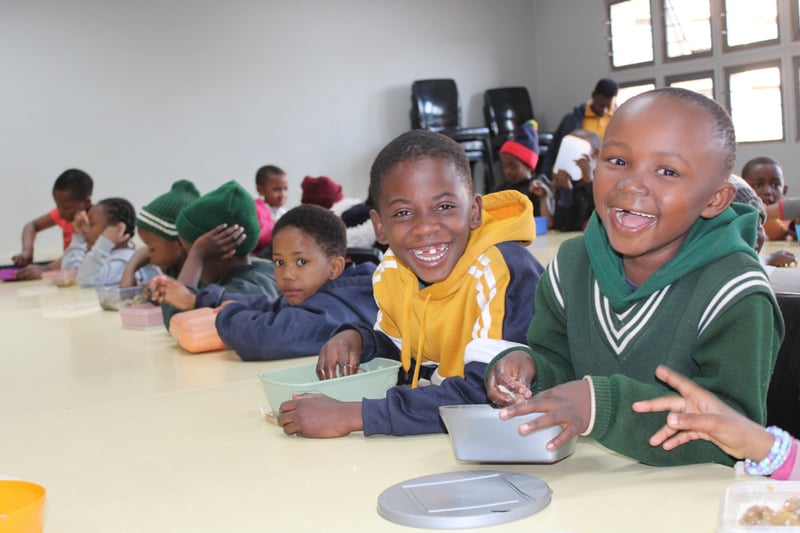
Obesity now rivals underweight as malnutrition's face—and it's rooted in poverty, not abundance, says leading youth development organisation.
16 OCTOBER 2025, JOHANNESBURG: The face of malnutrition in South Africa has changed. Once defined by images of children who were too thin, hungry, and visibly undernourished, today's crisis looks very different and, in many ways, is far more complicated.
As the country marks National Nutrition Week and World Food Day, organisations like Afrika Tikkun are witnessing first-hand how South Africa's nutrition challenges have evolved—and why a comprehensive approach is essential.
"Malnutrition doesn't only look like an underweight child anymore," said Nellie Zembe, Group Head of Monitoring, Evaluation, Research and Learning at Afrika Tikkun. "We're seeing children who are overweight or obese because they're not eating the right foods. Families are filling stomachs, not nourishing bodies."
According to UNICEF's latest global report, obesity has overtaken underweight as the most common form of malnutrition among school-aged children and adolescents. South Africa faces a growing "double burden"—poor-quality diets fuelling both malnutrition and obesity within the same communities.
Food Security as a Foundation for Learning and Development
"The link between poverty and obesity is direct. When food prices rise, the first thing families drop is nutritional value," Zembe explained. "Many rely on cheap, energy-dense, starch-heavy meals that fill hunger gaps but offer little nutrition."
At Afrika Tikkun, a leading youth development organisation, food security is woven into its unique Cradle-to-Career 360° model—a comprehensive approach spanning early childhood through employment. The organisation's nutrition programme serves over 5,000 children and youth annually across five centres.
Young children in the Bambanani Early Childhood Development (ECD) programme receive up to four meals a day, while school-going children receive two. Each meal is carefully planned to include fruits, vegetables, and protein—directly supporting cognitive development and school readiness.
"These aren't just feeding programmes," Zembe said. "We monitor every child's BMI twice a year and integrate nutrition education throughout our academic support, ensuring children understand the connection between what they eat and how they learn and thrive."
Nutrition Embedded in a Holistic Model
Through the Garden-to-Kindergarten (G2K) initiative, children aged 2-6 develop an understanding and love for growing vegetables, learning where food comes from while cultivating sustainable habits. For school-going children, this nutrition foundation directly impacts concentration, attendance, and academic performance—critical factors determining their trajectory through school.
Afrika Tikkun's sports and recreation programmes reinforce this holistic approach. "Obesity affects a child's motor skills, confidence, and ability to concentrate in class," Zembe explained. "That's why we integrate sports alongside nutritional counselling. Good nutrition means nothing if children aren't active and mentally well."
Crucially, nutrition security extends into economic empowerment through Afrika Tikkun's Agripreneurship programme. Young graduates aged 18–35 complete a 12-month training to become agricultural leaders and entrepreneurs. These emerging agripreneurs don't just gain employment skills—they contribute directly to local food production and build sustainable micro-enterprises in the agricultural sector, becoming agents of food security in their communities.
Empowering Families, Building Sustainability
Working with parents is equally critical. Afrika Tikkun helps families understand balanced nutrition and make healthier choices on tight budgets.
"Many parents think nutrition means expensive food," Zembe said. Parents now grow spinach, beetroot, and sunflowers in containers in small urban spaces—realising healthy food doesn't have to be expensive. "It's more than food. It's about pride and empowerment. When a family can grow what they eat, it changes how they view nutrition and their role in solving food insecurity," said Zembe.
A Call for Systemic Change
"It's not enough to count how many children get fed. We need to ask: what are they eating? Is the food nutritious enough to support growth and learning? Does it connect to broader educational and livelihood outcomes?" Zembe said.
Afrika Tikkun calls for stronger partnerships between government, corporates, and NGOs to improve food quality, expand access, and ensure comprehensive monitoring across the entire development journey.
"Real change happens when nutrition is woven into every aspect of a child's journey—from early learning through education, sports, skills training, and ultimately, employment. That's how we create capable, productive, and healthy adults."
To find out more visit www.afrikatikkun.org
Submitted on behalf of
- Company: Afrika Tikkun
- Contact #: 1
- Website
Press Release Submitted By
- Agency/PR Company: ANGELFISH PR & EVENTS
- Contact person: ANGELFISH PR & EVENTS
- Contact #: annie@angelfis
Get new press articles by email
Latest from
- New Champions Crowned at The Glen Leg of South Africa's Biggest Mall-Based Gaming Tournament
- CapeGate turns Centre Court into a penalty shootout this weekend
- Franschhoek is famous for wine. Three kilometres down the road, it’s famous for something else.
- Table Bay Mall turns up the gaming action with 2026 Hyprop MTN SHIFT Gaming Experience
- The importance of leadership feedback to shift the behaviour holding the organisation back
- Young Engineers Shine as Inaugural YEM Hackathon Celebrates South Africa's Next Generation of Innovators
- Cryolipolysis At @Sandton Spa Offers Non Surgical Fat Reduction From R1100 Per Area
- Pilates Sculpt - Brewing Belonging - How Starbucks Sea Point Became More Than a Coffee Shop
- Your pharmacist is there to help - Why South Africans can trust their local pharmacy professional
- Canal Walk takes flight with Peter Pan for a 24th year of winter theatre magic
- The CapeGate Ice Rink returns with a bigger, brighter winter adventure
- The winter shakedown - 7 bulking mistakes that are costing you gains
- Woodlands Mall winners return to the podium at MTN Shift Gaming Experience
- Game On - The MTN SHIFT Gaming Experience Heads to The Glen
- What does it take to summit Everest? Angela Yeung is about to tell you
The Pulse Latest Articles
- Private Intimacy Experiences Are Becoming More Personal As Consensuality Launches The Inner Circle (July 10, 2026)
- What We Miss When We Focus Only On Behaviour (July 6, 2026)
- Bundox Moves Beyond Safari Packages With “experience Our Wild Africa” (July 3, 2026)
- Tutor Doctor South Africa Celebrates Double Award Wins (June 30, 2026)
- Rethinking Performance: Part 5 Aligning Judgement In Performance Evaluation (June 30, 2026)