
Metpac-SA calls for action to turn packaging waste into economic value
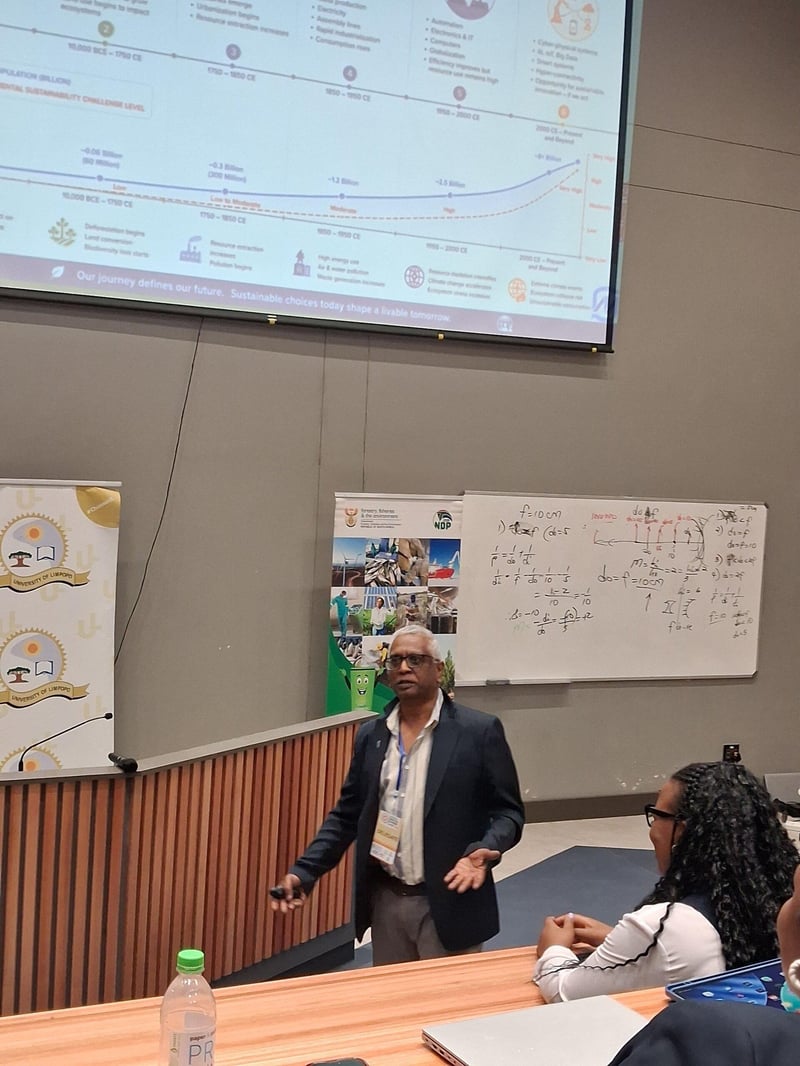
South Africa’s shift from a “take, make and dispose” economy to a circular future depends on stronger partnerships, reliable research and shared responsibility. This was the message from Dr Ravi Nadar, Sustainability Manager at MetPac-SA, at the DFFE Circular Economy Summit 2026, held at the University of Limpopo from 14-16 October 2026. The theme of the summit was: “Empowering tomorrow’s leaders: Advancing the circular economy through entrepreneurship, innovation, research and collaboration.”
Presenting on “South Africa’s EPR Landscape: Achievements, Challenges and Research Opportunities”, Dr Nadar highlighted progress made under Extended Producer Responsibility (EPR) and the barriers still limiting collection and recycling.
“Packaging protects products, extends shelf life and gets goods safely to consumers. Its value should not end when the contents have been used. EPR extends producers’ responsibility beyond the point of sale, helping to fund and coordinate post-consumer collection and recovery,” Dr Nadar presented.
According to BMI research, South Africa’s packaging market reached approximately 3.5 million tonnes, valued at R91 billion, in 2024. Continuing to extract, use and discard materials places growing pressure on natural resources and limited landfill space. However, a circular economy offers an alternative by designing out waste, keeping materials in use through reuse and recycling and recognising discarded packaging as a resource. It also creates opportunities for innovation, enterprise development and jobs.
Since South Africa’s regulated EPR framework was introduced in 2021, achievements have included increased producer participation, dedicated investment, recycling infrastructure and waste-picker support. However, challenges remain, including the participation of some packaging producers who have yet to join PROs and contribute to EPR levies (commonly referred to as “free riders”), fragmented collection systems, infrastructure gaps and inconsistencies in reporting.
“Compliance is the starting point. We now need measurable improvements in how materials are collected, recovered and returned to productive use. This requires collaboration among producers, government, municipalities, recyclers, waste pickers and researchers,” Dr Nadar urged.
Research priorities for the Producer Responsibility Organisation for metal packaging in South Africa include evaluating EPR effectiveness, improving material traceability, assessing waste-picker inclusion and identifying viable recycling technologies. Stronger markets for recycled materials are also essential to sustain demand and investment.
MetPac-SA’s engagement extended beyond the presentation. Kwandiwe Mayekiso managed the organisation’s exhibition stand, introducing University of Limpopo students to metal packaging circularity and the value of used packaging. Students were also encouraged to separate metal packaging for recycling, share their knowledge with households and communities, and develop innovative waste management ideas.
“Research must guide practical decisions that conserve resources, support livelihoods and turn waste into economic value. By helping young people recognise the value in used packaging, we can encourage responsible recycling habits and inspire solutions for a circular future,” Dr Nadar concluded.
Release information
Issued on behalf of
MetPac-SA
Media contact
Aim Marketing & Communications Consultants
Keaoleboha Sefako