
MetPac-SA Study Identifies Practical Steps To Improve Safe Recovery And Recycling Of Aerosol Cans In South Africa
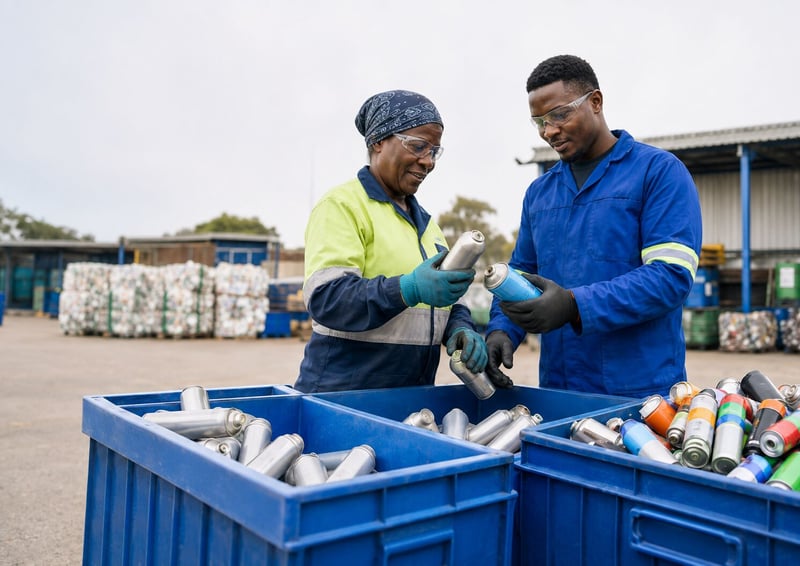
Aluminium and steel aerosol cans are fully recyclable, provided they are handled correctly and enter an appropriate recovery stream. New research by MetPac-SA, the country's Producer Responsibility Organisation for Metal Packaging, has identified practical opportunities to improve the safe recovery and recycling of aluminium and steel aerosol cans across South Africa. MetPac-SA is an NPO responsible for implementing the country’s metal packaging EPR strategy, guiding the industry towards more sustainable development by investing in post-consumer metal packaging collection and recycling. The association represents producers, brand owners, importers and converters of aluminium and tinplate (ferrous) packaging in South Africa, excluding 210-litre drums and pesticide aerosols. From January 2024, its scope was expanded to include aluminium and steel aerosol packaging.
National study on aerosol can recovery
The study, entitled An Evaluation of the Safe Handling and Recovery of Post-Consumer Aerosol Cans in South Africa, was the first of its kind to be undertaken locally. Conducted across seven provinces, it surveyed 272 waste pickers and reclaimers together with 38 Buy-Back Centres to better understand how aluminium and steel aerosol cans are collected, traded and recycled after consumer use.
The aerosol study forms part of a broader programme launched earlier this year to improve the recovery of more technically challenging metal packaging formats, including aluminium aerosols, aluminium foil, pie trays, coffee pods and yoghurt foil closures. The findings will help inform future strategies, partnerships and investments aimed at improving recovery and recycling rates of post-consumer aerosols.
According to Dr Kishan Singh, CEO of MetPac-SA, the comprehensive national study also forms part of MetPac-SA’s broader aerosol recovery programme, which includes consumer education, improved safety guidance, capacity-building at Buy-Back Centres and stronger collaboration across the recycling value chain.
Safety gaps and implementation challenges
Findings showed that while most waste pickers and Buy-Back Centres already understand that aerosol cans can remain pressurised after use, there is a significant gap between recognising the risks and having the training, equipment and systems needed to handle them safely.
“Rather than finding a lack of awareness, we have discovered an implementation gap. Almost all Buy-Back Centres recognised that apparently empty aerosol cans may still contain pressurised gas or chemical residues, yet formal training, written handling procedures and consistent PPE provision remain limited. Our research also found that aerosol cans are already a routine part of the recycling stream. More than half of participating Buy-Back Centres receive aerosol cans every day, demonstrating that the sector is already handling these materials on a regular basis,” Dr Singh reported.
Importantly, the study concludes that improving safety does not require entirely new systems. Instead, practical interventions, such as targeted training, simple handling guidelines, improved PPE, dedicated collection procedures and stronger downstream markets, could significantly improve both worker safety and recycling performance.
“Our research highlights the important role played by South Africa's informal recycling sector. Waste pickers are responsible for recovering large volumes of recyclable material before selling them to Buy-Back Centres, making them an essential part of the country's metal packaging value chain. Strengthening support for these workers is therefore critical to increasing recovery rates while reducing safety risks,” Dr Singh said.
Market factors and recommended industry response
Another key finding is that market conditions influence recovery just as much as safety concerns. Low material prices, inconsistent buyer demand (particularly for steel aerosol cans) and limited market access were repeatedly identified as barriers to improved collection. The study suggests that stronger buyer networks and clearer acceptance criteria could encourage greater recovery while reducing unnecessary disposal to landfill.
The report recommends a coordinated industry approach involving producer responsibility organisations, recyclers, municipalities, Buy-Back Centres and waste pickers. Rather than isolated interventions, MetPac-SA advocates an integrated support package combining training, PPE, operational guidance, improved collection systems and stronger market development to deliver lasting improvements across the recycling value chain.
“Aluminium and steel aerosol cans are fully recyclable, and significant volumes already enter the South African market each year. MetPac-SA’s message to consumers remains straightforward: use the product fully, ensure the container is empty, never puncture or expose it to heat, and place it in an appropriate recycling stream. The new research now extends that message further down the value chain by identifying the practical training, equipment, handling procedures and market support required to improve safe recovery. As South Africa continues implementing Extended Producer Responsibility (EPR), we now have an evidence-based roadmap for improving the recovery of aluminium and steel aerosol packaging, protecting the people who recover it every day, and strengthening South Africa's circular economy,” Dr Singh concludes.