
Why whistleblowers are the most powerful fraud detection tool
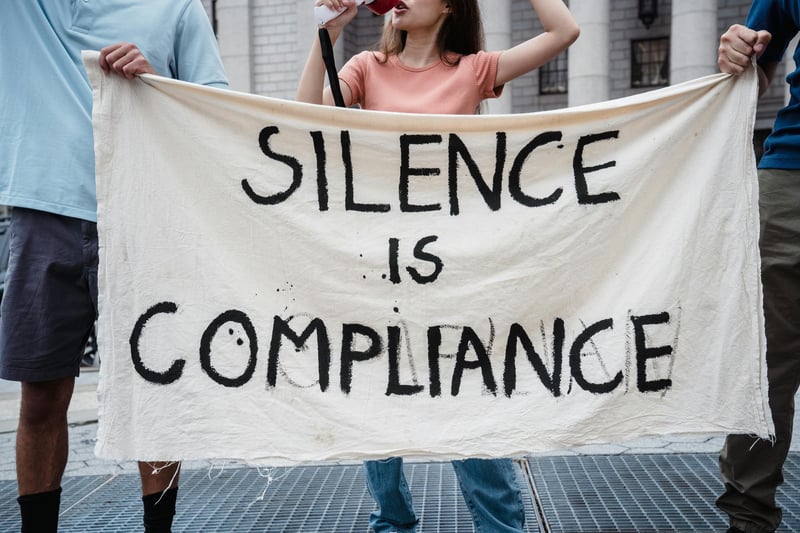
"When organisations talk about fraud prevention, the conversation usually centres on technology, internal controls, or audit processes. These are important, but they often overlook the single mechanism that has consistently proven to be the most effective at uncovering wrongdoing. People," says Elani Vogel, Senior Forensic Manager at Loxton Forensics.
Across industries and jurisdictions, a large proportion of fraud cases are uncovered because someone inside the organisation chose to speak up.
An employee notices something unusual, a supplier questions a payment request, or a colleague becomes uncomfortable with a pattern of behaviour that does not align with policy or ethical standards.
Despite this, many organisations underestimate the importance of whistleblowing systems or treat them as a compliance requirement rather than a vital governance safeguard.
Why Whistleblowing Matters
The truth is that employees are often the first to see warning signs that systems and audits might miss.
They witness behaviour in real time, observe changes in processes, and notice when explanations do not quite add up.
When they feel confident enough to raise concerns, organisations gain an early opportunity to address risks before they escalate into serious financial, legal, or reputational consequences.
However, whistleblowing only works when the environment supports it.
Many employees remain silent even when they suspect misconduct, often because they fear retaliation, damaging relationships with colleagues, or simply being ignored.
For organisations that want to strengthen their fraud detection capability, building an effective whistleblowing culture requires deliberate action.
Key Elements Of An Effective Whistleblowing Culture
Clear And Accessible Reporting Channels
Employees should know exactly where and how to report concerns.
Reporting mechanisms must be simple, well communicated, and available through multiple channels such as hotlines, secure digital platforms, or independent reporting services.
Anonymity And Confidentiality Protections
Many individuals will only report concerns if they are confident their identity will be protected.
Anonymous reporting options significantly increase the likelihood that people will come forward with sensitive information.
Visible Leadership Support
When leaders openly encourage employees to raise concerns and demonstrate that reports are taken seriously, it signals that speaking up is not only safe but expected.
Fair And Independent Investigations
Employees are far more likely to report misconduct if they trust that investigations will be objective, professional, and free from internal bias.
Protection Against Retaliation
Organisations must make it clear that retaliation against whistleblowers will not be tolerated and that those who raise concerns in good faith will be protected.
Feedback And Transparency
Where possible, organisations should communicate that reports have been received and addressed.
Even limited feedback reinforces confidence in the system.
Whistleblowing As An Early Warning System
When these elements work together, whistleblowing becomes far more than a compliance requirement.
It becomes an early warning system that helps organisations detect issues before they grow into major crises.
Importantly, whistleblowing systems do not only uncover deliberate fraud.
They often reveal process weaknesses, conflicts of interest, or governance gaps that might otherwise remain hidden for years.
In this sense, whistleblowing strengthens organisational resilience.
It gives leadership visibility into the realities of how systems function in practice, rather than how they appear on paper.
"Ultimately, the most effective fraud detection tool is not always a sophisticated system or a complex control environment. It is a culture where people feel confident enough to speak when something does not feel right," says Vogel.
Release information
Issued on behalf of
Loxton Forensics
Media contact
Reklame
Rosa-Mari Le Roux