
What the Masemola scandal teaches us about procurement risk
Written by: Servaas du Plessis Save to Instapaper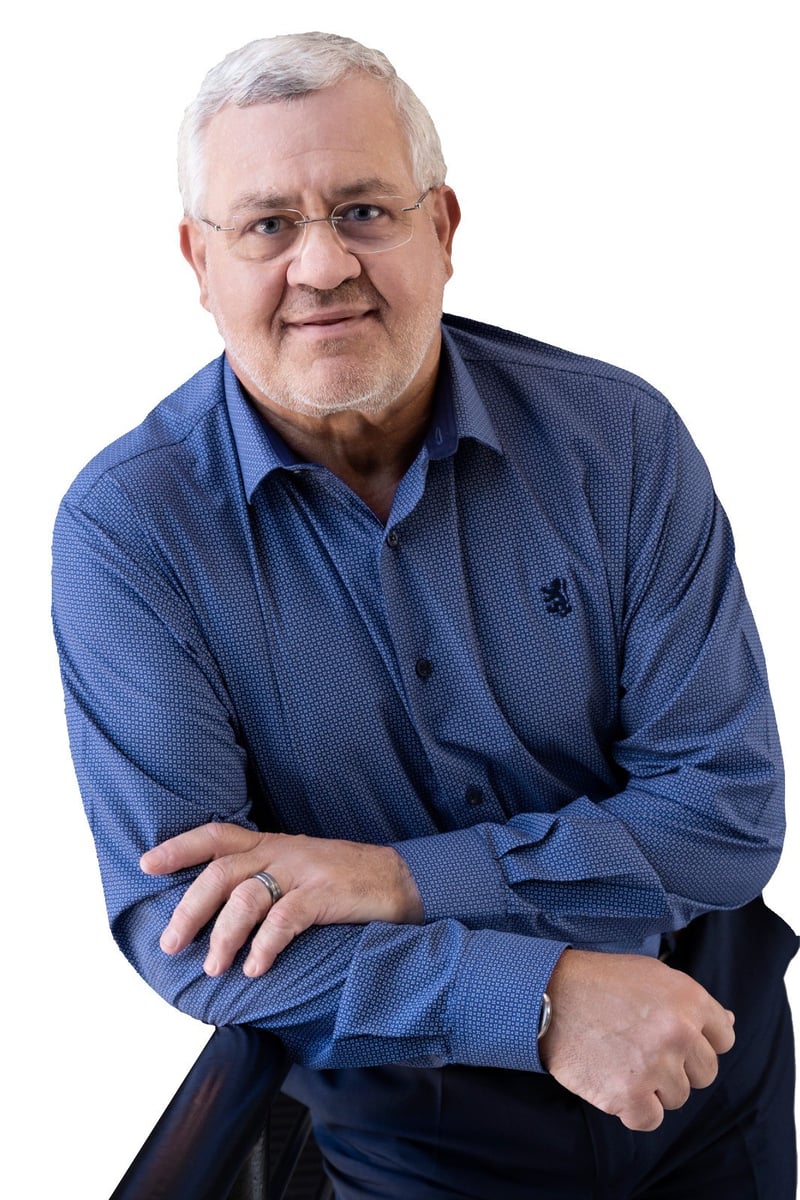
The suspension of Fannie Masemola has sent shockwaves through South Africa’s law enforcement establishment. But beyond the headlines, the case offers a deeper and more uncomfortable lesson: procurement fraud is not an anomaly - it is a systemic risk that can reach the highest levels of any organisation.
For leaders in risk, compliance, and governance, the real question is not whether fraud exists, but whether the right safeguards are in place to detect and prevent it.
According to Servaas du Plessis, Chief Executive Officer at XTND, a specialist in white-collar crime prediction and detection, one of the most troubling aspects of procurement fraud is how visible the warning signs often are - if anyone is willing to look.
Masemola faces allegations of violating the Public Finance Management Act in connection with a R360 million healthcare contract awarded to Medicare24, a company reportedly linked to organised crime. Around R50 million had already been paid out before the contract was halted.
This is more than a political scandal. It is, as Du Plessis describes it, a textbook case of procurement failure.
The Anatomy Of Procurement Fraud
Procurement fraud tends to follow a predictable pattern. An insider with decision-making authority collaborates with an external party to manipulate the tender process. Contracts are steered toward preferred vendors, often at inflated prices, and payments begin flowing long before proper scrutiny takes place.
By the time irregularities are detected, substantial funds have already been lost. The alleged collusion in the Medicare24 case fits this pattern almost perfectly. While the contract was ultimately cancelled, tens of millions of rands had already been disbursed.
Crucially, this is not a problem confined to government. The same vulnerabilities exist in private-sector organisations across industries - from construction and healthcare to IT and professional services. Wherever large contracts are awarded, the opportunity for manipulation follows.
The Warning Signs Were There
What makes cases like this particularly frustrating is that the red flags are rarely sophisticated. In fact, Du Plessis says that they are often basic indicators that should trigger scrutiny.
Vendor risk is one of the first. Was Medicare24 subjected to proper due diligence before being awarded such a large contract? Were its ownership structures, leadership, and potential links to politically exposed persons thoroughly examined?
Procurement irregularities are another. Were standard tender processes followed? Was there genuine competition, or were specifications designed to favour a particular bidder? Were evaluation committees independent and free of conflicts?
Payment patterns also matter. The release of R50 million before the contract’s cancellation raises critical questions. Were payments linked to verified deliverables, or were controls bypassed?
Finally, insider behaviour often provides clues. Sudden lifestyle changes, unexplained wealth, or unusual decision-making patterns among officials involved in procurement should never be ignored.
As Du Plessis notes, these are not advanced forensic techniques - they are fundamental controls that every organisation should already have in place.
A Systemic Failure, Not An Isolated Incident
What elevates the Masemola case from a single scandal to a broader warning is its systemic nature. This is not an isolated breakdown but part of a pattern of governance failures.
Recent reports of misappropriated funds at the National Lotteries Commission and a questionable multi-billion rand textbook tender highlight a recurring issue: when misconduct reaches the top, it signals that controls have failed at every level.
“It is here where governance structures weaken and oversight becomes ineffective or compromised. A culture of impunity begins to take hold and this dynamic is not limited to the public sector,” warns Du Plessis.
In private organisations, leadership behaviour sets the tone. When executives prioritise results over process, tolerate conflicts of interest, or encourage “getting deals done” at any cost, those signals cascade through the organisation.
Middle managers learn that compliance is optional and procurement officials stop asking difficult questions., and fraudsters recognise opportunity.
What Organisations Must Do Differently
Du Plessis says that scandals like these should trigger reflection at the highest levels. Boards, audit committees, and executives should be asking a simple but critical question: could this happen here?
Addressing procurement risk requires more than policy, it requires disciplined execution.
First, strengthen vendor due diligence. Organisations must go beyond tick-box checks and conduct thorough investigations into suppliers, including ownership structures, director backgrounds, and reputational risks.
Second, tighten procurement controls. Tender processes must be transparent and genuinely competitive. Duties should be segregated so that no single individual controls the entire cycle. Evaluation committees should be rotated, and conflicts of interest must be declared and managed.
Third, monitor contracts after award. Risk does not end once a contract is signed. Ongoing oversight is essential to ensure deliverables are met, invoices are accurate, and payments are justified. Data analytics can play a powerful role in identifying anomalies.
Fourth, enable whistleblowing. Many major fraud cases are uncovered by insiders. Safe, anonymous reporting channels — supported by a culture that protects whistleblowers — are critical.
Finally, scrutinise leadership. When senior figures are implicated in misconduct, it underscores the need for rigorous integrity assessments at the highest levels. Leadership appointments should be subject to the same, if not greater, scrutiny as any other role.
The Cost Of Inaction
There is often resistance to enhanced controls, with arguments that due diligence and compliance measures are costly or time-consuming. But the alternative is far more expensive.
In the Medicare24 case alone, R50 million was lost before intervention. That figure excludes legal costs, reputational damage, operational disruption, and the diversion of resources to crisis management.
Beyond financial losses, there is a deeper cost: the erosion of trust. For governments, this translates into declining public confidence and political consequences. For businesses, it impacts customers, investors, and long-term sustainability.
Prevention, as Du Plessis emphasises, is always cheaper than cure.
A Final Reflection
The Masemola scandal is not just about one individual or one contract. It is a case study in how fraud takes root, spreads, and ultimately exposes organisational weaknesses.
The lesson is clear: procurement integrity is not a compliance exercise, it is a leadership responsibility.
Ends
About XTND
XTND is a well-established, South African-owned forensic investigations company specialising in the prevention, detection, and response to white collar crime and corruption.
Our team of internationally certified Certified Fraud Examiners brings over a decade of experience in delivering forensic services to businesses, industry bodies, and the public sector.
As a corporate member of ACFE SA, the professional body for forensic practitioners, XTND is committed to upholding the highest standards in the forensic community and contributing to the integrity of the South African economy.
About Servaas du Plessis
Before establishing XTND, Servaas was Chief Executive Officer of First Rand Short Term Insurance Administration and Summit Insurance Administration Services in the First Rand Group.
Servaas has 40 years of experience in combatting white-collar and organised crime. He joined the financial services sector in 1995 after resigning as commander of an organised crime division of SAPS specialising in uncovering criminal activities of foreign syndicates operating in South Africa.
Servaas is amongst others, a certified fraud examiner. He was named the Worldwide Who's Who Executive of the Year in Insurance Crime & Fraud Prevention in 2013 and the winner of the Africa CEO Today award in the category Fraud Risk Prevention in 2020.
He co-founded the South African Insurance Crime Bureau and is the past president of the South African Chapter of the Association of Certified Fraud Examiners.
Servaas is the inaugural chairman of the Danie Du Plessis Foundation board and a non-executive Director of the Africa Training Academy (AFRICATA).
He received the Honorary Member of the Year award from the ACFE South Africa in 2020.
For Media Information, Contact
Samantha Hogg-Brandjes | GinjaNinja | This email address is being protected from spambots. You need JavaScript enabled to view it. | +27 84 458 4857
Get new press articles by email
GinjaNinja is an owner run and managed PR, integrated marketing, and communications agency. The company has evolved over 21 years to offer public relations experience across several industry sectors together with key digital and marketing services. What we value in our clients is what we value in ourselves. GinjaNinja has integrity, is hard working, dedicated, passionate, ethical, creative,... Read More
Latest from
- Sovereign cloud - real control, or just the appearance of it?
- Your business has outgrown its own software, and no one warned you
- Technology needs more women, across every discipline
- SAP ECC6 deadline is a records problem for hospitals, not just an IT one, says Metrofile
- Responsible AI doesn't stop at the model
- Choosing the right storage strategy in the age of AI
- When the scandal fades, so does the audit IDAC's real test is what comes next
- What the OpenAI security incident teaches us about workload identity
- 6DOT50 and Supergroup dealerships complete South Africa's first integrated cryptocurrency vehicle purchase
- Why beneficial ownership is still one of business's biggest blind spots
- Everything as a Service begins with organisational maturity
- SoftwareOne Achieves AWS AI Competency in Agentic AI, its 23rd AWS Competency
- Trellidor celebrates 50 years of safety by creating 50 safer spaces for SA and UK communities
- Rhino Energy Solutions powers responsible waste management with new 648 kWp Solar Plant at Dolphin Coast Landfill Management, operated by Veolia
- Inaugural Trellidor Mzansi Super Cup crowns champions and celebrates the future of South African football
The Pulse Latest Articles
- Cut The Waste Before You Count The Carbon (August 12, 2026)
- 125 Years Of Innovation: The Hansgrohe Journey Through Design, Comfort And Sustainability (August 12, 2026)
- The Grocery Strategy That Almost Halved One Cape Town Woman's Monthly Food Bill (August 12, 2026)
- Are Boards Ready To Defend Their Executive Pay Decisions? (August 12, 2026)
- The Western Cape Government Partners With Finfind (August 7, 2026)