
Everything You Need To Know About Photography Tours
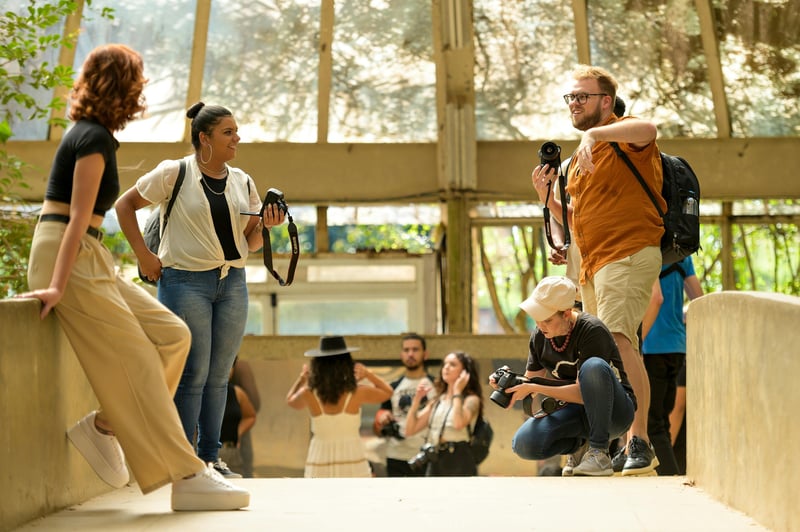
A photography tour is a guided trip built around taking great images. Instead of just sightseeing, the itinerary, timing, and guiding are designed to put you in the right place at the right time with expert support. By Vanessa Rogers.
What are some typical features of a photography tour?
You’ll be guided by an expert, usually a professional photographer, who knows both the location and the craft – helping people on the tour with composition, camera settings, and fieldcraft. Your purpose-built itinerary will include early starts, sunset sessions (otherwise called “golden hour”), and off-peak visits so you hit locations in the best light and with fewer crowds.
Generally, a tour like this will be limited to a small group of say four to 10 people, to allow for better access and one-on-one guidance. One extra nice thing about tours like this is that all the logistics will generally be handled by those in tourism jobs on your behalf, from transport, accommodation, and park permits, to local guides and most meals – so you can focus on shooting.
Think of it as a workshop on the move: you’re learning, shooting, reviewing images, and sharing the experience with like-minded people.
Why are photography tours in South Africa so popular?
South Africa is a dream destination because it offers an extensive variety of options in a relatively compact, easy-to-travel. Select between:
world-class wildlife: Kruger National Park and private reserves like Sabi Sands are renowned for big cats, elephants, rhinos, giraffes and more, often at close range;- dramatic landscapes: From the Drakensberg mountains to the Garden Route coastline and the Western Cape’s vineyards and seascapes, you can shoot multiple ecosystems in one trip;
- great infrastructure: You’ll enjoy quality lodges, internal flights, and tour operators with specialised vehicles adapted for photographers (swivelling seats, lens supports, and open sides)’
and
- year-round options: Different seasons enhance different styles of work – the dry season for clean wildlife images, or the wet season for lush green landscapes and dramatic skies.
On top of all this, many South African photo tours are run by local photographers who know specific animals’ territories, den sites, roosts and waterholes, giving you a much higher chance of those “bucket list” shots.
What are the top photography-tour regions within South Africa?
Four key regions and their most fascinating highlights appear below:
a) Kruger National Park & other private reserves
• Style: Big-5 wildlife, birds, environmental portraits, and night drives.
• Highlights: Frequent encounters with lions, leopards, elephants, buffalo and rhino; and seasonal opportunities such as newborn animals in the wet season.
• Best time: The dry, winter months (roughly May to September) are considered ideal for wildlife photography, due to thinner vegetation, animals concentrated at waterholes, and softer light.
Private concessions, such as Sabi Sands, often allow off-road driving and fewer vehicles per sighting, which is considered “gold” for photographers.
b) Cape Town & the Western Cape
• Style: Seascapes, cityscapes, street photography, and cultural documentary.
• Highlights: Table Mountain, Chapman’s Peak Drive, and Boulders Beach penguins; and the colourful houses of the Bo-Kaap together with the working harbour at Kalk Bay.
• Best time: Summer and the shoulder seasons (roughly October to April) for long golden hours and relatively stable weather; winter can bring moody skies and dramatic surf.
c) The Garden Route & Eastern Cape
• Style: Forest and coastline landscapes, and slower-paced wildlife safaris.
• Highlights: Coastal cliffs around Knysna and Tsitsikamma; and malaria-free wildlife reserves in the Eastern Cape (great for families).
d) KwaZulu-Natal (KZN)
• Style: Bird photography, wetlands, cultural and community work.
• Highlights: Coastal reserves like iSimangaliso, famous for birdlife and varied habitats; and Zulu cultural experiences, traditional villages, and ceremonies in some tours.
What does a typical South African photo-safari day look like?
While each operator presents a slightly different offering, a “classic” safari photography routine might look like this:
- 05:00 to 05:30 – Wake-up & coffee: Quick snack, gear check, climb into the game vehicle before sunrise.
• 06:00 to 09:30 – Morning game drive: Focus on soft light and animal behaviour. The guide and photo leader position the vehicle with the sun angle and background in mind. You may keep going with one subject for an hour, or even longer.
• 10:00 to 14:30 – Midday break: Brunch, rest, download cards, and batteries on charge. Many tours include classroom-style sessions or image critiques, which you can attend during the heat of the day. - 15:30 to 18:30 – Afternoon/evening drive: Golden-hour portraits, backlit dust, and silhouettes. Some lodges offer limited night photography, using with spotlights or the stars.
• Evening – Dinner & review: Informal Q&A, planning for the next day, dealing with technical challenges like high-ISO noise or focus issues.
On city or landscape tours (e.g., Cape Town or Drakensberg), the rhythm will be similar: pre-dawn departures, midday breaks, sunset and blue-hour sessions.
How do photography tours differ from normal safaris or tours?
There are five key differences:
• Tourist safaris often rush from animal to animal or viewpoint to viewpoint. Photo tours, on the other hand, typically stay longer at one scene to allow for changing light, behaviour, and composition;
• Everyone on board is there to shoot. Nobody starts complaining if you spend 20 minutes waiting for a lion to yawn, or a wave to break just right;
• Some specialist tourism job operators can remove certain rows of seats, plus add gimbal mounts and beanbag ledges so photographers can manoeuvre with big telephoto lenses, if required;
• You’re encouraged to ask about settings, critique images, and experiment as desired. Many tours include structured lessons on composition, exposure, and post-processing;
and
- Tours are often timed to coincide with special events: migrations, wildflower seasons, autumn colours, or specific festivals just so that you have the optimal possible experience of that setting, or location.
What other countries are especially popular for photography tours?
While South Africa (and the wider southern African region) is hugely popular for photography tours, there are several other “heavyweight” destinations where such tours are extremely common. These include:
Iceland
• Why it’s popular: Glaciers, black-sand beaches, waterfalls, ice caves, and volcanoes. Winter tours for aurora borealis; summer tours for midnight sun.
• Typical subjects: Long-exposure waterfalls, dramatic seascapes, abstract patterns in ice and lava, and night-sky photography.
Japan
• Why it’s popular: Cherry blossom (sakura) in spring, fiery maples (kōyō) in autumn, snowy landscapes in Hokkaido, plus neon cityscapes in Tokyo and Osaka.
• Typical subjects: Seasonal foliage, temples and shrines, street photography, cultural festivals, and wildlife like Japanese macaques or red-crowned cranes (on specialised tours).
Italy
• Why it’s popular: Iconic cities (Venice, Florence, Rome), hill towns in Tuscany, and Dolomites mountains.
• Typical subjects: Architecture, everyday European street life, Mediterranean coastlines, and alpine scenery.
Arctic & Northern Europe
• Destinations: Finland, Norway, Sweden, Greenland.
• Why: Northern Lights tours, winter wildlife (orcas, whales), snowy forests and frozen lakes.
Latin America & Others
• Peru, Bolivia, Chile: Andean peaks, salt flats, and the Atacama Desert.
• Belize & Central America: Jungle, caves, and reefs.
• India & Southeast Asia: Colourful markets, festivals, temples, and rural life.
Across all these destinations, the same principles generally apply: small groups, knowledgeable guides, and itineraries tuned for light and access.
How do I choose the right photography tour?
A main factor you should consider and evaluate, is your experience level (whether beginner, or intermediate/advanced). Beginners often benefits from an emphasis on teaching, small groups, and patient instruction, while those at intermediate or advanced level may prefer itineraries that advertise “maximum time in the field,” access to rare species or hard-to-reach locations, and fewer classroom sessions.
It's also good to find out in advance the group size and guide ratio. Aim for six to 10 guests on general landscape/city tours; and three to four photographers per vehicle on safaris – ideally with each having a “corner” seat and unrestricted shooting angles.
Next up, look over the itinerary, pace, and day-by-day plan. Are there long transfers every day? How many actual sunrise/sunset sessions are promised? And are there rest days built in to manage fatigue – especially in remote areas?
Two last but important considerations include specialisation and subject focus (i.e. birding vs big mammals, street and culture vs landscapes, or night skies, macro, or drones. You’re advised to select the operator whose portfolio reflects the work you most wish to create); and both ethics and sustainability (good signs in a photography tour operator, include their partnering with local guides and communities, clear policies on animal welfare, and respectful guidance on photographing people and sensitive cultural sites).
What gear should I bring on a photography tour?
Cameras:
• a primary camera body plus a backup, if possible. Dust, vibration, and weather can be punishing;
and
• a DSLRs and mirrorless bodies are both common; choose what you’re comfortable with.
Lenses (wildlife-focused tour):
• a telephoto zoom: 100 to 400mm, 150 to 600mm, or similar is the workhorse for mammals and birds;
• a fast telephoto prime (optional): 300mm or 400mm, with f/2.8–f/4 if you’re serious about wildlife;
• a wide-angle zoom: 16 to 35mm or equivalent for landscapes, night skies, and environmental animal shots;
and
• a standard zoom: 24 to 70mm or similar for lodge life, portraits, and general travel images.
Lenses (city & landscape tours e.g., Iceland, Italy, Japan):
• ultra-wide i.e., 14 to 24mm or 16 to 35mm;
• a standard zoom, i.e., 24 to 70mm;
and
• short telephoto i.e., 70 to 200mm, for compressed landscapes and candid people shots.
Your tour operator will usually send a packing list; use it, but don’t be afraid to ask follow-up questions about realistic focal length needs for specific destinations.
Additional items of support, as well accessories include:
• a sturdy tripod (especially for waterfalls, night skies, cityscapes);
• a beanbag or window supports for safari vehicles;
• plenty of memory cards and at least one backup drive;
• rain covers or dry bags for sudden showers
and
• cleaning kit: blower, microfibre cloths, or sensor cleaning if you’re comfortable with it.
Are there any legal or safety issues I should know about, especially in South Africa?
Yes, read on about drone usage, wildlife ethics, and general travel safety.
Drones in South Africa
South Africa has fairly detailed drone regulations overseen by the South African Civil Aviation Authority (SACAA). Key points generally include:
• restrictions on flying near airports, national key points, and densely populated areas;
• visual-line-of-sight requirements and maximum altitude limits;
and
• commercial operators need certification and licensing, while recreational users must still respect strict rules, especially in national parks.
National parks like the Kruger typically ban drones for recreational visitors, due to safety, noise, and wildlife disturbance. Always check the latest park and national regulations before you travel and, if in doubt, leave the drone at home.
Wildlife and park rules
You’re advised to stay inside vehicles, unless your guide says otherwise, and to be sure not to pressure animals or block their movement for the sake of a photo. Other advice to note is that no feeding is allowed in the national parks, and please don’t use a flash at night unless a guide specifically allows it for a certain species.
Personal safety
South Africa, like many destinations, has areas with higher crime rates. Reputable tour operators minimise risk by using vetted drivers and lodges; advising on when/where it’s safe to walk with expensive photographic gear; and by organising transfers instead of relying on random taxis or self-driving in unfamiliar cities after dark. Remember to always follow your guide’s advice, and use common sense (discreet gear carrying, and not leaving equipment visible in cars, as just two examples).
How do I prepare creatively for a photography tour?
Beyond gear and logistics, prepare your eye and your mindset with these five tips:
• Study other photographers’ work that you emulate
Look at images from your chosen destination, including tour websites, Instagram, and photo blogs. This will show you classic views and also gaps where you can create something different.
• Research the subject matter
For wildlife: learn basic behaviour patterns i.e., hunting, mating, parenting. It helps you anticipate the kind of action you may expect.
For cities/culture: learn about festivals, customs, and etiquette.
• Practice at home
Simulate your tour challenges, which could include anything from panning moving subjects in low light and long exposures with filters, to shooting in harsh midday sun and still getting usable images.
• Define a small personal project
Examples could include “backlit portraits of animals”, “hands and gestures in street markets”, or “minimalist seascapes.” A simple project like this helps you stay focused when travel overstimulation hits.
• Plan your backup workflow
This should ideally encompass two copies of your files (laptop + external drive, or two drives); and daily downloads with simple folder naming (e.g., “Day 01_Kruger_Morning”).
Is a photography tour worth the cost?
Photography tours are rarely cheap – especially when they involve remote destinations, specialist guides, and small groups. Whether they’re “worth it” depends on what you value. Reasons they often are worth it is that you’re effectively paying for time, access and expertise; things that can take years to piece together without an organised tour. You’re more likely to return with a cohesive body of work rather than a random collection of snapshots, and many participants describe them as “trips of a lifetime” not only for the photos, but for the friendships and shared focus that goes along with it
However, be sure to reconsider going on a tour like this if you prefer total independence and wandering off alone; as well as if you’re mainly a casual shooter and would be happiest with a simple sightseeing tour plus a few self-guided photo walks. A good plan in this case is to select a hybrid option i.e. shorter three to four day photo workshops, attached to a longer general holiday where you can do your own thing.
How can I be a respectful guest while photographing people and places?
The best tips in this category range from always asking permission where appropriate (in many cultures it’s appreciated if you ask before taking someone’s close-up portrait. A smile, a gesture to your camera, and a simple “OK?” goes a long way), and being sensitive when it comes to children and vulnerable people (always check with parents or guardians, and avoid images that feel exploitative or that you wouldn’t be comfortable showing them afterwards). On that note, be sure to share the results if you can – show people the back of the camera; some tours facilitate sending prints or digital copies later.
Lastly, follow local customs and rules: some religious sites or government buildings restrict photography. Your guide should brief you, but asking never hurts. And remember that you’re telling real stories, so try to avoid clichés and stereotypes. Look for moments of everyday life, dignity, and humour – not just “exotic” differences.
What’s the ideal first photography tour: South Africa or somewhere else?
If you’re torn between South Africa and other popular destinations like Iceland or Japan, consider the following:
- Choose South Africa if you want wildlife front and centre; you like warm climates and golden light more than cold, harsh environments; and you’re excited by the idea of early-morning game drives, sundowners in the bush, and the chance of seeing the Big 5 – potentially all in a single day.
- Choose Iceland or the Arctic if you’re drawn to dramatic landscapes, waterfalls, glaciers, and night skies; and if you’re comfortable with cold and potentially challenging weather.
- Choose Japan or Italy if you love culture, food, architecture, and street life as much as (or more than) nature; and you’re happy to walk a lot, ride on public transport, and shoot in urban environments.
Ultimately, the “best” first tour is the one you’re genuinely excited about – your enthusiasm will fuel you through early alarms, jetlag, and what could end up being rather long (and thrilling!) days.
What final tips can you offer to help me make the most of any photography tour I go on?
• Travel as light as you can
Bring what you’re truly going to use. A slightly limited kit you know well, beats a back-breaking load you’re going to fumble with.
- Embrace all weather
Many iconic images come from “bad” weather, such as storms, fog, and even drizzle. Have rain protection and keep shooting. - Be patient
Great images often come from waiting: for the animal to move into the right line of light, for a person to walk into your frame, or for clouds to shift. - Stay present
Don’t spend every break on your phone or buried in editing. Take time to actually experience the place: the sounds, smells, and conversations will influence how you shoot. - Back up daily
Assume that anything not backed up twice (or more!) could vanish tomorrow.
Photography tours, whether tracking leopards in South Africa, chasing auroras in Iceland, or roaming temple paths in Japan, are about more than just “getting the shot”. They’re about immersing yourself in a place with a camera, as your excuse to pay extra-special attention to it.
Release information
Issued on behalf of
Executive Placements
Media contact
TextBOX Conceptual
Vanessa Rogers