
The Quiet Shift To Change How Children Handle Big Feelings
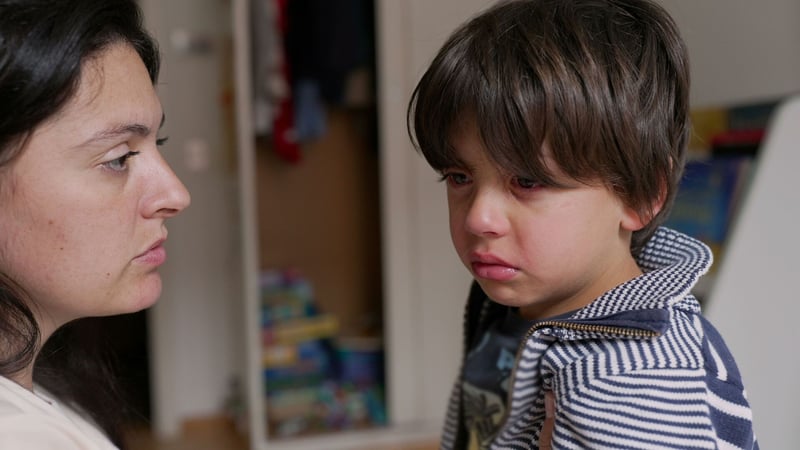
Co-regulation is an approach that can help young children manage intense emotions, by encouraging parents to remain calm and emotionally present while children work through difficult feelings such anger, fear, disappointment or distress. Rather than expecting children to settle themselves, parents provide steadiness while their ability to cope is still developing.
“A young child cannot always calm down simply because an adult asks them to,” says Ursula Assis, Managing Director of Dibber International Preschools South Africa. “Children learn emotional regulation through their relationships with trusted adults. When a parent remains close, calm and responsive, the child begins to understand that difficult feelings can be experienced safely and will eventually pass.”
Everyday signs of co-regulation
According to Dibber, four everyday behaviours suggest that this shift may already be taking place. The first is naming feelings. A parent who says, “I can see that you are angry,” helps the child connect an internal experience with a word. Over time, this can help children recognise and communicate what they are feeling before it spills into behaviour. This does not mean every tantrum will become a calm learning experience. Parents become tired and frustrated too. Sometimes, the shift is simply pausing long enough to acknowledge the feeling before addressing the behaviour.
“Validation does not mean that every reaction is acceptable,” Assis explains. “A parent can acknowledge disappointment while still holding a clear boundary.”
A second sign is coming down to the child’s eye level. Crouching or sitting during a difficult interaction can change its emotional tone. It communicates safety and attention, even when the words remain firm. Co-regulation also begins with the adult’s emotional state. Taking a breath before responding to screaming, defiance or tears prevents a parent’s frustration from adding to the child’s distress. It also shows children that strong feelings do not have to lead immediately to strong reactions.
“The aim is not to create perfectly composed parents,” says Assis. “Children need real adults who can pause, recover and try again. Even when a parent reacts impatiently, returning to the child and repairing the moment carries an important lesson.”
Repair and reassurance
The fourth sign is what happens after the crying or resistance has passed. Parents are increasingly returning to the child and acknowledging that the moment was difficult. A simple question such as, “That was hard. Are you feeling better now?” can restore closeness and create space for reflection. This reconnection teaches children that conflict does not threaten the relationship. It also allows parents to explain a boundary once the child is calm enough to listen.
The shift reflects a broader awareness of early childhood development. It is also generational, as parents reconsider parts of their own upbringing while carrying forward what felt secure and loving.
Co-regulation does not remove structure from family life. Children still need clear limits and adults who are willing to say no. What changes is the way those boundaries are communicated.
“A calm no remains a no,” says Assis. “Warmth and firmness can exist together. Children feel safest when adults are emotionally available and clear about what is expected.”
At Dibber, educators use co-regulation techniques to support children through frustration, separation anxiety and conflict. The same habits can be used at home without expecting every difficult interaction to unfold perfectly.
Parenting growth rarely arrives as one dramatic change. It appears quietly. A parent kneels instead of shouting across the room. A breath is taken. A feeling is named. After a difficult moment, the parent comes back.
One calm response at a time, children learn that their feelings can be understood, their relationships remain secure, and, eventually, they will be able to find their own way back to calm.
About Dibber International Preschools
Dibber International Preschools is a global leader in early childhood education, with a commitment to providing high-quality preschool experiences that foster children's holistic development - with over six hundred high-quality preschools across nine countries and with a focus on the Dibber Heart Culture and customised learning approaches, Dibber aims to nurture the potential of every child, ensuring they receive the best start in their educational journey.
Release information
Issued on behalf of
Dibber International Preschools
Media contact
The Lime Envelope
Kerry Oliver