
Why the Accounting Profession Needs Adaptive Thinkers
Written by: Madeleine Engelbrecht (Academic at Regent Business School) Save to Instapaper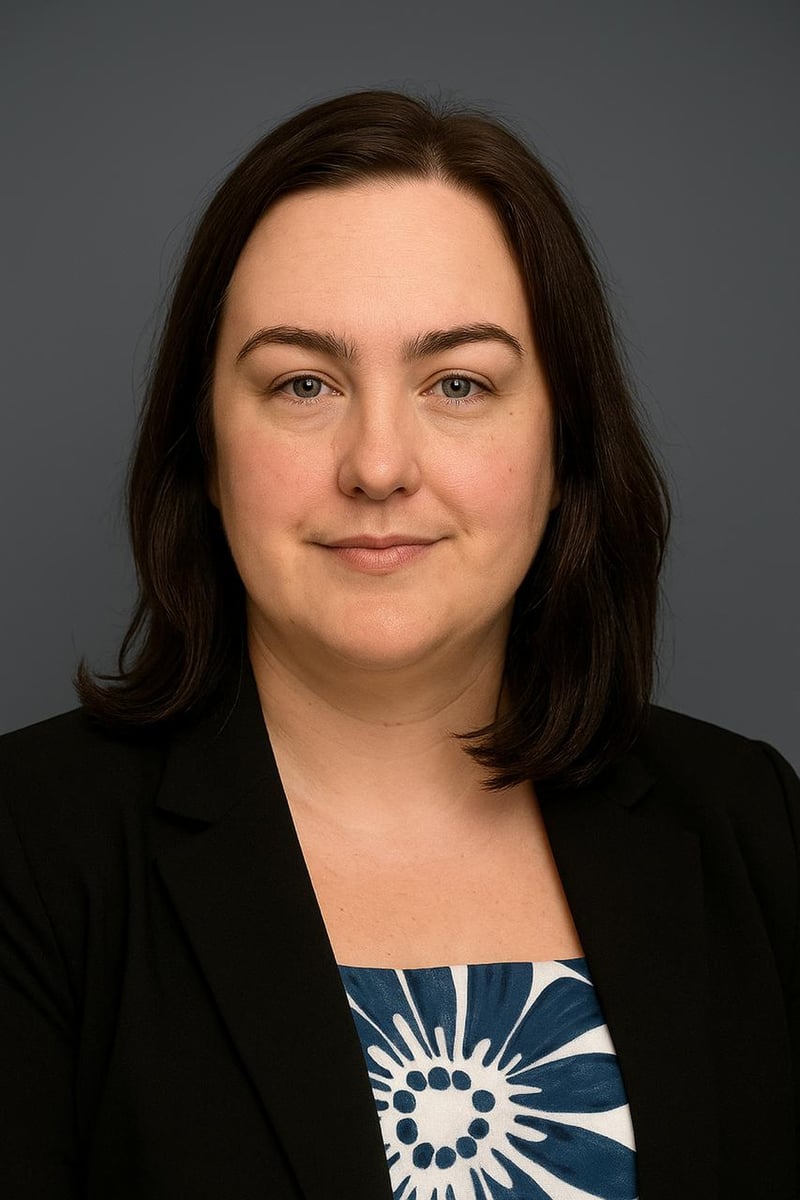
Accounting is undergoing one of the most significant shifts in its history, and the profession is searching for thinkers who can navigate this change with agility and insight. Madeleine Engelbrecht, an academic at Regent Business School and a seasoned Chartered Accountant, has spent her career at the intersection of technical precision and strategic judgement. Drawing on years of experience across global financial environments, she argues that the profession now needs a different kind of practitioner: one who can interpret data with discernment, challenge emerging technologies, and guide organisations through complexity. Her perspective sets the stage for a deeper look at why adaptability has become the defining skill for the accountant of the future.
In the early years of modern business, the role of an accountant could be summed up in two words: ‘number cruncher’. Yet today, that historical accountant image feels outdated and should be left firmly in the past. Automation has erased much of the tedium once associated with transactional ledgers, while artificial intelligence, cloud computing, and data analytics now insist that accountants think, analyse and lead. As the environment around us shifts at speed, adaptability stands out as a vital skill for long-term success. And the accountants who thrive will be the ones willing to stretch beyond spreadsheets and step into the future.
The Changing Face of Accounting
Accounting’s evolution has been quietly radical. What was once a predictable profession of routine reconciliations and ledger‐balancing is now a domain defined by insight, judgment and strategic influence. Emerging drivers - such as AI, cloud-based platforms, and real-time reporting - are rewriting the job description. According to the Future Ready Accountant report by Wolters Kluwer, firms globally are embracing AI at a rapid clip: 77% plan to increase their AI investments, and 35% of firms report using it daily.
Meanwhile, regulatory complexity and integrated reporting are placing more demand on accountants to interpret risk, advise on business strategy, and drive sustainability initiatives. What truly drives progress today is collaboration, powered by collective understanding rather than isolated calculations.
Why Adaptability Matters Now
So, what does “adaptability” mean in the context of modern accounting? It’s a blend of soft skills with sharp judgement, ethical insight, a drive to interrogate data, and the calm needed in high-stakes moments. Adaptability is bringing people together to solve what numbers alone never could.
Automation and AI have shifted the work of many accounting professionals. Now that algorithms handle the routine work of data entry and reconciliation, people can devote their energy to the one thing technology can’t imitate: informed judgement grounded in real-world expertise. In fact, according to Accountancy Age, 93% of accountants surveyed now use AI in advisory roles - a clear sign that the profession is evolving beyond compliance to strategy.
And yet, technology also introduces new challenges. With real-time data flows and predictive analytics, accountants are expected to interpret outcomes, flag anomalies, assess risk, and guide decision-making. This responsibility requires a mindset that is ethical, discerning and forward-looking. Professionals who thrive will approach new tools with curiosity and discernment, questioning their design, interrogating their assumptions, and applying critical thinking to every insight they produce. This level of adaptability strengthens trust in volatile environments.
Digital Capability as a Core Competence
Digital fluency underpins the way we communicate, make decisions, and deliver value in contemporary workplaces. Accountants today are expected to understand, use and even challenge the tools that generate business intelligence. Analytics dashboards, cloud ERPs, AI agents for transaction processing, and automated reporting systems are no longer niche; they are central.
This intersection of finance and technology demands a new kind of accounting professional; one who understands the logic of financial principles and the architecture of data-driven workflows. According to SAICA’s “CA of the Future” competency framework, digital acumen is a critical enabling competency.
The 2024 SAICA Integrated Digital Report underscores this shift, noting that digital technologies such as AI are automating routine tasks, reshaping roles and elevating the importance of continuous learning and governance.
Globally, firms are aligning with this transformation. The Future Ready Accountant report from Wolters Kluwer reveals that many firms are rethinking talent strategies by investing less in reactive hiring, and more in up-skilling, automation and flexibility.
From this perspective, postgraduate or advanced education (particularly those aligned with professional accounting bodies) provides one of the strongest paths to develop these capabilities. A study from a South African university noted how shifts towards data analytics and programming are now embedded in accountancy curricula, reflecting the growing overlap between accountants and data scientists.
From Reflection to Action: Upskilling for the Future
Given the pace of change, reflection without action is not enough. These strategic measures can help individuals and organisations position themselves for sustained relevance:
- Consider postgraduate or specialised programmes. Pursuing advanced studies in accounting, data analytics or finance can help you acquire both technical proficiency and strategic insight. Many such programmes align with professional frameworks that emphasise digital competency and ethical judgement.
- Take short courses in digital tools. Cloud accounting, AI literacy, data visualisation in short, focused learning modules can help you get hands-on experience with the tools shaping the profession.
- Join professional bodies and networks. Engaging with professional associations or industry forums helps you stay abreast of regulatory developments, technology trends and best practices.
- Conduct regular skills-audits. Every quarter, set aside time to assess where your strengths lie and where they may be lagging. Use that insight to plan development priorities.
- Adopt a mindset of continuous learning. The accounting profession of the future rewards those who are curious, thoughtful and proactive about staying relevant.
Reflecting on your career is powerful, but translating reflection into action is what makes a real difference. The era of adaptability demands that accountants keep learning, keep questioning, and keep growing.
Drawing the Threads Together
Accounting is no longer a static profession. The quiet ledger office of the past has given way to a dynamic space where strategy, ethics, data and technology converge. In this new world, adaptability has become an accountant’s most valuable currency. Those who embrace change, who are willing to learn, adapt and lead; will not just survive, but thrive.
As the financial context grows ever more complex, each of us has a choice: to stand still, or to prepare. The most forward-looking accountants are already taking responsibility for their future. They are investing in their skills, challenging themselves to grow, and positioning themselves as the strategic, agile thinkers that tomorrow’s organisations need.
If you’re ready to seek success, explore Regent Business School’s Undergraduate and Postgraduate programmes, short learning programmes and workforce solutions on our website, call +27 31 304 4626 or send an email to This email address is being protected from spambots. You need JavaScript enabled to view it.. Our programmes equip you to excel by surrounding you with success.
Author Bio:
Madeleine Engelbrecht is a Chartered Accountant (SA) with over 15 years of experience across auditing, tax, and technical accounting. She began her career with KPMG Johannesburg before moving into senior financial roles in the insurance, commodity trading, manufacturing, and technology sectors both in South Africa and the USA. Madeleine has extensive expertise in IFRS implementation, financial reporting, and group consolidations, and has contributed to major projects involving IFRS 9, 15, and 17.
Currently, she lectures at Regent Business School focusing on advanced accounting in alignment with SAICA’s “CA of the Future” competencies. In addition to her academic work, she serves as a Technical Advisory Specialist with MBE Consulting, providing guidance on complex accounting issues within the financial services sector. Madeleine is completing her Master’s in Technical Accounting through UNISA and remains passionate about bridging technical accounting practice with professional education.
Source List:
- Wolters Kluwer, Future Ready Accountant Report, Jason Marx, 8 October 2025.
https://www.wolterskluwer.com/en-au/news/wolters-kluwer-releases-its-2025-future-ready-accountant-report
- SAICA, CA of the Future Competency Framework, SAICA.
https://www2.saica.org.za/resources/pathway-to-relevance/ca-of-the-future
- SAICA, 2024 Integrated Digital Report.
https://saicair.co.za/integrated-report-2024/material-matters-2.php
- SAIPA, Professional Accountant Magazine (2023), Digital Proficiency Programme.
https://www.saipa.co.za/wp-content/uploads/2023/09/Professional-Accountant-2023_45_i2.pdf
- Harper May, “AI, automation, and the new accountant: Trends shaping 2026,” 2025.
https://www.harpermay.com/blog/ai-automation-the-new-accountant-trends-shaping-2026-540
- Stellenbosch University, “For a data-driven future,” Annual Report 2024.
- Kilag, N., et al., The Future of Accounting: Predictions on Automation and AI Integration, WJARR, 2023.
https://wjarr.com/sites/default/files/WJARR-2024-0466.pdf
X Marks the Spot:
The age of the number cruncher is over. Accounting is entering its most electrifying chapter yet, and only adaptive thinkers will lead it. Dive into @REGENT_BSchool Madeleine Engelbrecht’s sharp take on the future of the profession: Read the full piece: [Insert link] #SurroundYourselfWithSuccess #RegentBusinessSchool
Press Release Submitted By
- Agency/PR Company: Angelfish Pr and Events
- Contact person: Annie Hodes
- Contact #: [email protected]
- Website
Get new press articles by email
Latest from
- International Tango Masters Bring a Week of World-Class Dance to Johannesburg This May
- Celebrate Freedom Day weekend in true rock-and-roll style - powerhouse Lineup Set to Ignite The Hangout Fest 3
- Good Food, No Room Key Required - at Sandton Hotel’s Weekend Dining Experiences
- Property Investment in Uncertain Times - How to Maximise Returns in a Shifting Economy
- at Sandton Hotel marks four years of redefining luxury hospitality in South Africa
- Why Human Rights Matter in the Modern Workplace
- Shell Yeah - Clearwater Mall is Doing Easter Differently This Year
- Three good reasons to head to Clearwater Mall this weekend
- Pre-loved gets its moment - CapeGate’s CG Thrift Fest returns this Autumn
- Regent Business School powers Soweto school’s remarkable rise with new iLeadLAB
- Something You’ve Never Tried. But You’ll Love
- Live to work…nah, I don’t think so. Work where life happens
- Bluey and Bingo are coming to CapeGate Shopping Centre
- Ten Evidence-Backed Pillars of Men’s Health That Stand the Test of Time
- Canal Walk hosts third Eid Expo - A celebration of local craft and festive spirit
The Pulse Latest Articles
- Interpol Warns Of Global Crime Networks, Sa Businesses Urged To Rethink Detection (April 10, 2026)
- Adaptive Leadership In Motion: Why Logistics Needs A Different Kind Of Strength (April 9, 2026)
- Ai Isn’t Shrinking Marketing Jobs - It’s Exposing A Bigger Talent Crisis (April 8, 2026)
- Stones Safaris Unveils A New Approach To Safari Through Experience-led Activities (April 8, 2026)
- Bright Beginnings Preschool Celebrates Linden Campus (April 2, 2026)