
Eco-Friendly bird abatement gains ground as poison loses favour
Although pest control is critical for a number of industries, from food manufacturing and pharmaceuticals to airport, retail, and renewable energy, poisoning is increasingly unacceptable as a control measure. Responsible pest control means finding environmentally friendly alternatives to poison.
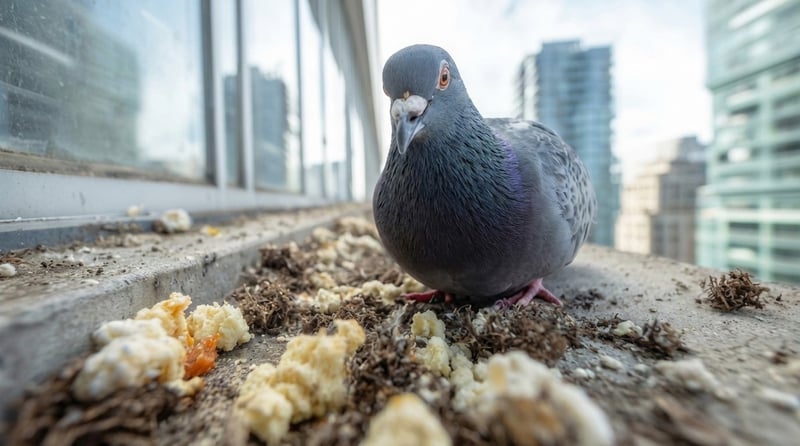
Birds are often admired as part of the natural environment, but certain species, including pigeons, sparrows, and starlings, can also be a pest. They can pose significant health, safety, and operational risks when they move into and constantly fly over industrial and commercial spaces.
CEO of Servest, Rob de Grooth says, “Bird contamination can cause serious and costly disruptions, including the spread of disease, damage to infrastructure and regulatory contraventions.”
The need for effective bird control has intensified post-COVID, with increased scrutiny from health inspectors and heightened awareness of biosecurity risks. Commercial kitchens, food manufacturing plants, and pharmaceutical facilities face particular challenges.
In solar installations alone, bird fouling can reduce panel efficiency by up to 40%, while in poultry farms and food production facilities, a single contamination event, which endangers the health of the end-consumer, can necessitate the destruction of an entire chicken coop. That can mean the loss of up to some 60 000 birds.
“With our partner, FCG Bird Control, we can use modern bird abatement techniques, such as trained hawks like the American Harris Hawks, and advanced laser systems, as deterrents. This has demonstrated higher success rates of between 60% to 80%, and it is also an environmentally responsible solution,” says Deon van Staden, Managing Executive of Servest Hygiene Solutions.
“Locally, we have deployed these methods effectively for clients who have high-traffic areas such as shopping centres and waterfront precincts or who manufacture food products, where disease control is critical.”
Specialised laser systems and automated deterrent pods, which birds perceive to be fires, due to a certain chemical compound reflecting against sun, have shown further success rates of up to 98% when paired with continuous monitoring and maintenance.
“In South Africa, the Bird Abatement Association of South Africa (BAASA) plays a vital role in regulating ethical practices within the industry. It maintains strict compliance with legislation, and deploys humane practices, including trapping and relocating birds where necessary to prevent health hazards,” remarks Francois Breedt from FCG Bird control.
Despite its effectiveness, bird abatement is not a one-size-fits-all solution. Successful programmes require detailed site assessments, accurate identification of bird species, and an understanding of their protected status. An in-depth assessment process is applied to each client and assists in finding a unique solution and maintenance programme.
“Hawks can only be flown in the morning and the evening and only for a certain duration,” says Breedt. Current legislation restricts the use of indigenous birds for abatement, with limited exceptions for captive-bred birds. “With Servest, we find solutions that are unique to each client – solutions that are compliant, efficient and humane to the falcons.”
The industry is exploring other innovative solutions, including the development of falcon-look alike drones designed to deter birds during peak daylight hours, when the real falcons are unable to fly. Since eco-friendly imports are costly, there is a growing push to develop local solutions.
De Grooth concludes, “As the market evolves, staying ahead of emerging technologies and trends is essential. Educating clients on the long-term benefits of bird abatement and the necessity of budgeting for ongoing maintenance is key to ensuring sustainable, compliant, and effective outcomes.”