
Winter’s here and South Africa’s roads just got more dangerous for cyclists
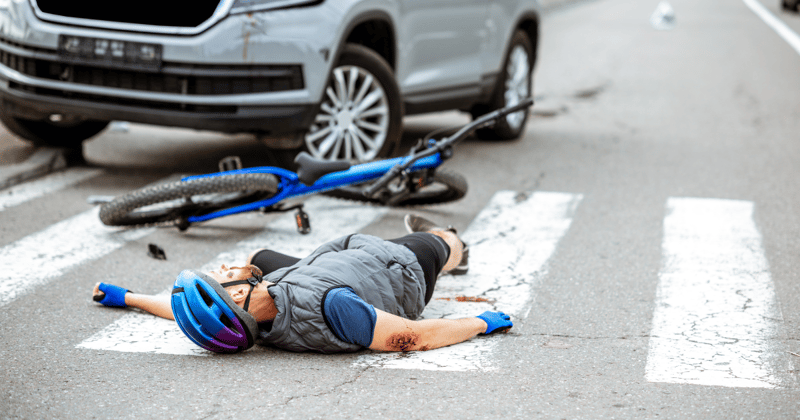
As World Bicycle Month and Safety Month converge in June, South African roads enter their most dangerous period for cyclists: winter.
Reduced daylight combined with heavy rainfall in some regions and increased dust and smog in others, along with deteriorating infrastructure, creates challenging conditions.
Michael Foster, King Price Xtreme mountain biker, navigates these conditions often and sees the dangers firsthand.
“South Africa’s road conditions are difficult all year round, but they get even more dangerous in winter,” he says.
“While the King Price Xtreme team competes off-road, we often train on-road, and we’re also drivers. We see the same worrying behaviour from all road users.”
Winter changes how South Africans use roads.
Reduced daylight means commuters travel more often in low-light conditions, while rain, dust, smog, potholes, and broken street- and traffic-lights create additional hazards.
For cyclists, who overwhelmingly share roads with cars, buses, and trucks because there are very few dedicated lanes for bicycles, these conditions become even more difficult to navigate.
The scale of the challenge is significant:
More than 2,000 cyclists died on South African roads between 2018 and 2022, with low light conditions accounting for a large proportion of these fatalities.
At the same time, June and July see peak participation in road cycling events, meaning more riders are training during the country’s most hazardous season.
What Cyclists Can Do Differently
For cyclists, visibility becomes the first priority.
Research from the UK Department for Transport found that high-visibility clothing can reduce the risk of collision by up to 38% in low-light conditions.
Foster says this is especially relevant in South Africa, where many riders train or commute at dawn and dusk:
“Cyclists often think visibility is only about seeing the road ahead. In winter, it’s also about making sure drivers can see you early enough to react.”
Lighting matters too.
Front and rear lights should become standard all-day equipment rather than being reserved for night rides.
Wet weather also requires cyclists to adjust how they ride.
Arrive Alive states that, in wet conditions, “stopping distances will be at least double those required for stopping on dry roads”.
In effect, this vastly reduces the margin for error when braking or cornering.
“Winter isn’t the time for sudden movements,” says Foster.
“Ride predictably, signal clearly and, if you need to move around a pothole or obstacle, make sure the drivers around you can see what you’re about to do.”
What Motorists Need To Know
For motorists, winter road safety often comes down to anticipation.
The National Road Traffic Act requires motorists to maintain safe following distances and provide sufficient clearance when passing cyclists, yet many drivers are unaware of these obligations.
Drivers should also expect cyclists to move more than usual on damaged roads.
“If you see potholes, gravel or puddles, or notice that there’s no emergency lane, assume that the cyclist ahead may need to change position suddenly,” Foster explains.
“Creating extra space gives everyone more time to react.”
Patience matters too.
Aggressive hooting, revving, or squeezing past cyclists may save seconds but can create dangerous situations.
Shared Responsibility Makes Roads Safer
Ultimately, says Foster, safer winter roads aren’t about cyclists versus motorists.
“In practice, sharing the responsibility for safer roads is simple,” he says.
“Cyclists need to remember that drivers might not always see them, and drivers must bear in mind that cyclists have very little room to manoeuvre. The moment both sides acknowledge these realities, and adjust their behaviour accordingly, our roads become safer for everyone.”
Release information
Issued on behalf of
King Price Xtreme
Media contact
ByDesign Communications
Nhlalenhle Neliswa Dlangalala