
4 in 10 Diabetic Patients Affected - The Growing Need for Retinal Screening in SA
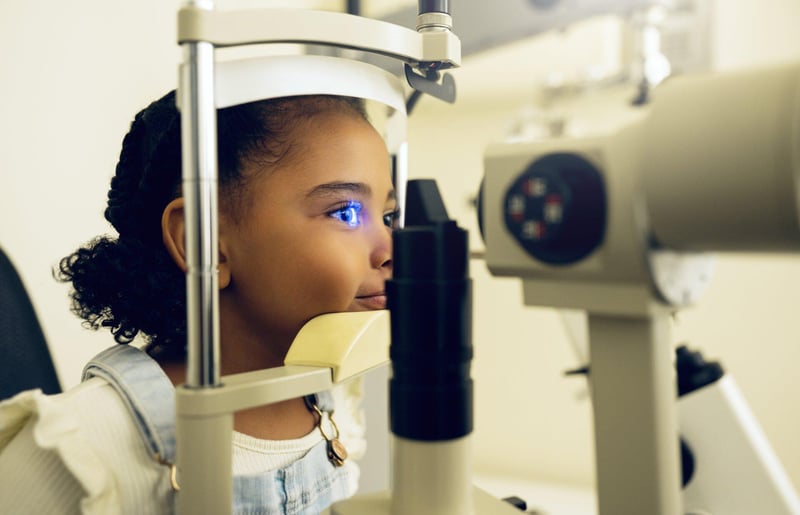
SOUTH AFRICA – September 2026 — World Retina Week brings urgent attention to a vital layer of tissue that most people ignore until their sight begins to fail. The retina, which is the light-sensitive lining at the back of the eye that translates raw light into the images we perceive, which cannot repair or regenerate itself once damaged. Unlike skin, bone, or muscle, retinal tissue offers no second chances, making early detection the only real safeguard against permanent vision loss.
Globally, retinal disorders remain a dominant driver of sight impairment. Across clinics in sub-Saharan Africa, conditions such as diabetic eye disease, retinal detachment, and age-related macular degeneration make up over 60 percent of all specialist retinal diagnoses. In South Africa, diabetic retinopathy stands as the fourth leading cause of blindness, trailing only cataracts, glaucoma, and macular degeneration.
According to South African clinical screening data and regional healthcare studies, up to 40% of patients living with diabetes present with detectable diabetic retinopathy, often diagnosed only through proactive digital screening, most having experienced zero prior changes in their day-to-day sight.
This total absence of early symptoms gives retinal conditions their stealthy, destructive edge. Eye disease can quietly take root and advance over months or years, stealthily destroying delicate neural tissue. By the time a patient notices blurring, dark spots, or warping in their visual field, the window for simple intervention has often closed, leaving far fewer treatment options on the table.
Spec-Savers South Africa Optometrist, Eela Makan emphasizes that waiting for noticeable vision changes before seeking care often means missing the vital window for early intervention. She points out that because the retina lacks pain receptors and rarely signals distress in its early stages, a person can live with progressive micro-tissue changes while believing their vision is perfectly clear. Routine eye examinations act as an early warning system, identifying subtle shifts long before they affect day-to-day sight.
Makan notes that advancements in digital diagnostics have transformed standard eye care from basic vision correction into vital preventive medicine. Modern retinal imaging creates a high-definition map of the back of the eye in seconds, allowing practitioners to trace microscopic vascular shifts linked to diabetes, high blood pressure, and age-related deterioration. This rapid, non-invasive check is frequently the single deciding factor between catching a condition in time or discovering it after permanent damage has set in.
As World Retina Week from 23 to 29 September approaches, the overarching message for South Africans is one of active prevention rather than reactive treatment. Annual eye examinations that incorporate digital retinal imaging are critical for everyone, but they are absolutely non-negotiable for anyone managing diabetes, hypertension, or with a family history of ocular disease. Checking the health of your retina today remains the most reliable way to guarantee you will keep seeing clearly tomorrow.
Release information
Issued on behalf of
Spec-Savers South Africa
Media contact
Emerald Hill PR
Susan Simpson