
Growing evidence points to a sharp rise in childhood vision problems worldwide
FOR IMMEDIATE RELEASE
Growing evidence points to a sharp rise in childhood vision problems worldwide
SOUTH AFRICA – August 2026 – During Children's Eye and Vision Month parents are encouraged to make eye health a priority, as growing evidence points to a sharp rise in childhood vision problems worldwide. Globally, almost one in three children and adolescents are now living with myopia (shortsightedness), with prevalence having increased significantly over the past two decades.
Rising risks and screening gaps
Researchers attribute much of this growth to lifestyle changes, including increased screen time and reduced time spent outdoors. South Africa is not immune to this trend. Research from DataReportal's Digital 2025: South Africa indicates that South Africans spend an average of nearly nine hours a day using internet-connected devices, among the highest levels globally. With some of the highest average daily screen time globally, children are increasingly exposed to risk factors associated with myopia progression and digital eye strain. At the same time, school-based vision screening is not implemented through a consistent national programme, meaning many vision problems remain undetected until they begin affecting a child's learning, confidence and overall development.
Vision problems in children are often difficult for parents and teachers to recognise because children rarely realise that the way they see is not normal. Instead of complaining about blurred vision, they simply adapt. As a result, signs such as sitting close to the television, holding books unusually close, rubbing their eyes frequently, struggling to concentrate while reading or appearing inattentive in class are often mistaken for behavioral or learning difficulties rather than indicators of an underlying vision problem.
International research suggests that around one in four school-aged children has a vision condition that can affect educational performance. Many children experiencing learning challenges may also have undiagnosed visual issues contributing to their difficulties, highlighting the importance of routine eye examinations.
"As parents, we naturally expect our children to tell us when something is wrong, but vision doesn't work that way," says Spec-Savers South Africa Optometrist - Wesley Language. "Many children assume everyone sees the world exactly as they do. They don't know that the board at school should be sharper or that reading shouldn't make their eyes feel tired. We often hear parents say, 'I had no idea my child couldn't see properly.' That's why regular eye examinations are so important."
Benefits of regular eye examinations
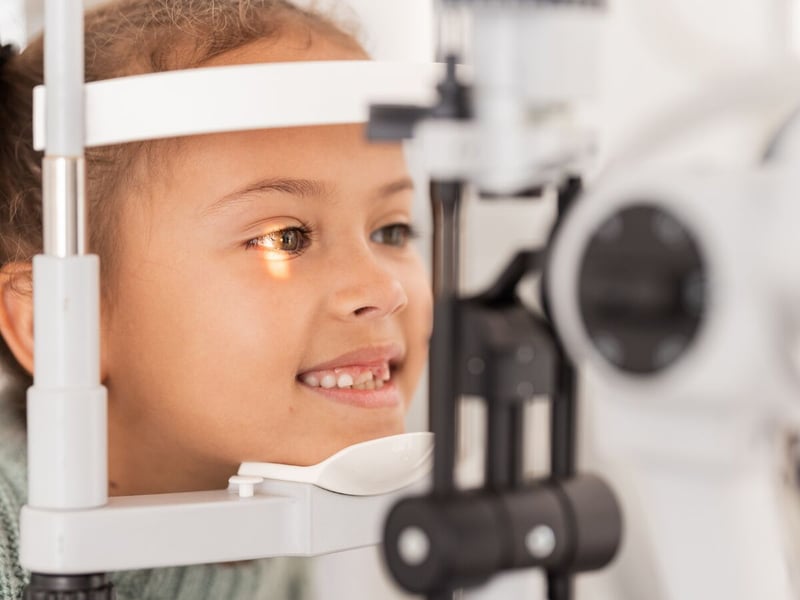
A comprehensive eye examination is quick, painless and designed to be a positive experience for children. Beyond determining whether spectacles are needed, an examination can detect conditions such as lazy eye, focusing difficulties and the early signs of more serious eye conditions, often before symptoms become obvious.
"Early detection gives children the best opportunity for successful treatment and helps prevent vision problems from affecting their education, confidence and quality of life," Language adds. "Routine eye examinations should be viewed in the same way as dental check-ups or annual health assessments. They're an essential part of a child's overall wellbeing."
Spec-Savers South Africa offers comprehensive eye examinations for children at practices nationwide, with experienced optometrists providing a child-friendly environment designed to put young patients at ease. This Children's Eye and Vision Month, Spec-Savers South Africa encourages parents to book a free vision screening for their children. Because when a child has never experienced clear vision, they can't be expected to recognise when something is wrong.
Release information
Issued on behalf of
Spec-Savers South Africa
Media contact
Emerald Hill PR
Susan Simpson