
Early Detection Saves Sight - World Diabetes Day
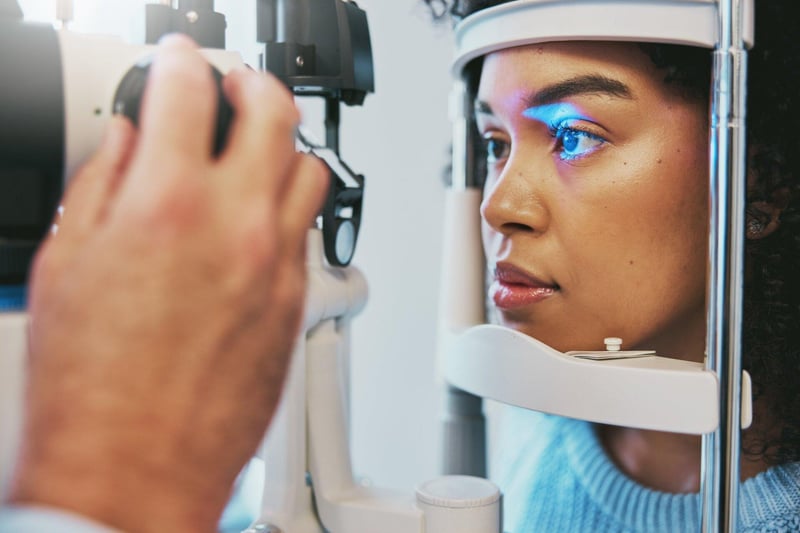
SOUTH AFRICA – November 14 is World Diabetes Day, a date that carries particular weight in South Africa, where diabetes is already the leading cause of death among women. But ahead of that global awareness day, another urgent message deserves attention: diabetic retinopathy, a sight-threatening complication of diabetes - silently progressing in one in four people living with the disease, often with no symptoms at all.
Across Africa, an estimated 69.2% of adults living with diabetes are unaware of their diagnosis. Without knowing they have diabetes, they have no reason to screen for diabetic retinopathy until damage has already begun. In South Africa, diabetic retinopathy ranks as the fourth leading cause of blindness, and the condition is responsible for a significant share of preventable vision loss worldwide.
Diabetic retinopathy develops when consistently high blood sugar damages the tiny blood vessels in the retina. What makes it especially dangerous is its silence. Local screening studies have found diabetic retinopathy present in as many as four in ten patients tested, the majority of whom had no symptoms and no reason to suspect anything was wrong with their eyes. By the time vision changes, often in the form of blurring, dark spots or patchy vision, the disease has frequently progressed beyond its earliest, most treatable stage.
This is why eye care professionals increasingly describe the retina as a window not just into vision, but into a person’s broader health. A retinal photograph can reveal microaneurysms, bleeding or swelling associated with diabetes long before a patient feels any different, making a routine eye examination one of the most effective early-warning tools available for a disease that otherwise hides in plain sight.
“We tell our diabetic patients the same thing every time: don’t wait for your eyes to tell you something is wrong,” says Antonie Wolmarans, Optometrist and Franchisee from Spec-Savers South Africa. “Diabetic retinopathy can be present for a long time before it affects how someone sees. An annual retinal screening isn’t optional for someone with diabetes but rather one of the most important appointments they’ll keep all year.”
“The encouraging part is that early-stage diabetic retinopathy is manageable, and in many cases, vision loss is preventable if it’s caught in time,” Wolmarans adds. “The biggest risk isn’t the condition itself, it’s the delay in finding out it’s there.”
This November, as South Africa observes both Diabetic Eye Disease Awareness Month and World Diabetes Day on November 14, Spec-Savers South Africa is calling on everyone living with diabetes, whether newly diagnosed or managing the condition for years to book an annual retinal screening at their nearest Spec-Savers practice. Early detection doesn’t just save sight, it saves independence and quality of life.
Release information
Issued on behalf of
Spec-Savers South Africa
Media contact
Emerald Hill PR
Susan Simpson