
Experts Warn Against Short-Term Fixes That Damage Long-Term Wealth
Written by: CFI South Africa Save to Instapaper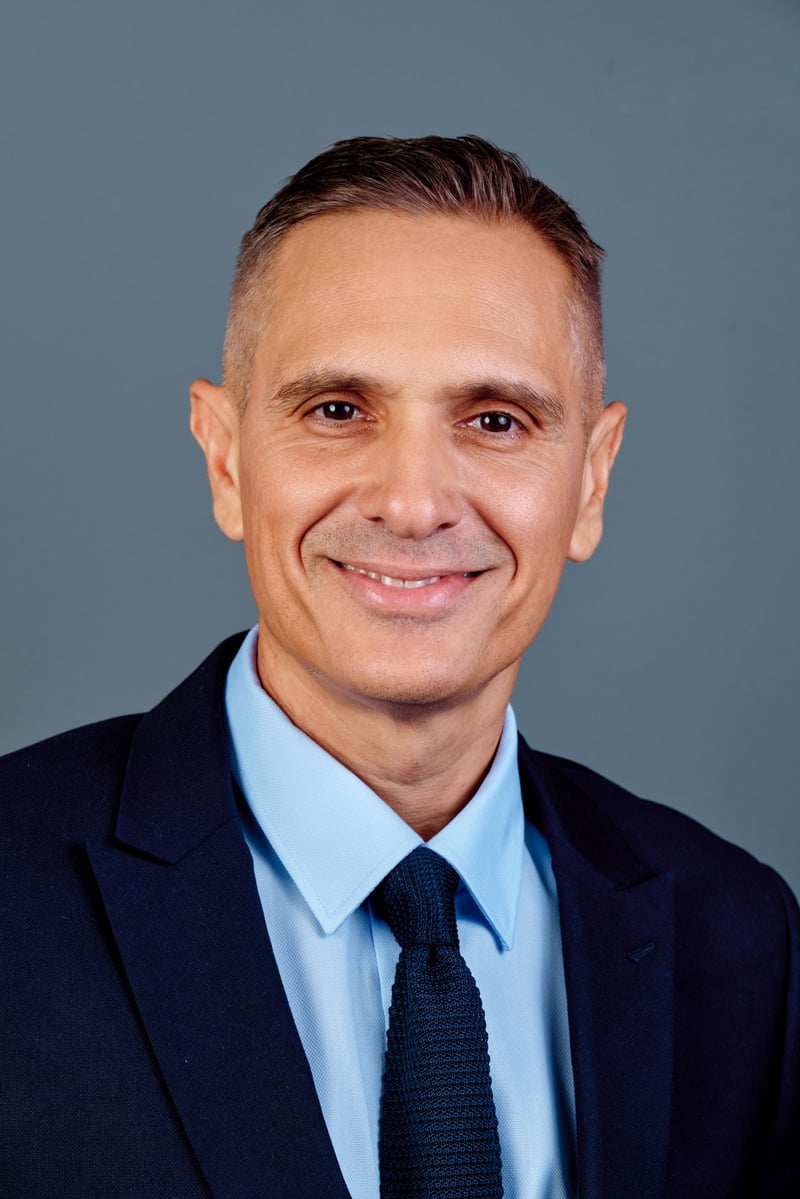
By Zihaad Israfil, CEO of CFI Financial Group South Africa
“Unpreparedness in your finances rarely announces itself with one dramatic event. More often, it shows up quietly — in the small decisions that feel harmless in the moment but become expensive over time. Skipping savings for ‘just this month’. Using short-term debt to cover predictable expenses and delaying planning because it feels easier not to look.
“This is the moment when many people abandon their financial goals. Not because they lack ambition, but because the year started without a plan strong enough to survive real life.
“The cost of being unprepared is not only short-term pressure. It is the long-term damage caused when reactive decisions become patterns. Interest becomes a tax on future income. Catch-up spending becomes normal. The gap between what you earn and what you keep widens quietly.
The realities of life
“The truth is that financial strain is not a surprise event. Expenses arrive with consistency. Debit orders return every month. Prices move regardless of your intentions. The only real defence against this is to be prepared.
“Recovery starts with clarity. Before chasing new income ideas or ambitious investment targets, you need to stabilise your base. Map what leaves your account each month. Identify what is fixed and what is flexible, and where you underestimated. When you see the numbers plainly, anxiety loses some of its power, and decisions become practical again.
“Unpreparedness also creates an opportunity cost. When money is tied up in debt repayments and urgent fixes, you lose the ability to act when opportunities arise. You cannot invest consistently. You cannot benefit from compounding. You cannot build buffers that give you options. You become reactive instead of strategic.
Taking small steps
“From there, focus on rebuilding small buffers. Even modest consistency changes outcomes over time. A realistic savings amount that actually happens beats a perfect plan that never does. The goal early in the year is not perfection. It is regaining control.
“This is also where education matters. Financial confidence is not built by guessing. It is built by understanding how money decisions compound over weeks, months, and years. When people learn in low-pressure environments, they make calmer choices when real money is involved. Practising strategies, testing ideas, and asking questions before committing funds builds resilience that carries through volatile months.
“Preparedness is also about building skills, not just balancing budgets. This is a good time to learn how markets work without putting your money at risk. Using a demo environment allows you to practise in real market conditions without trading live capital, while short workshops and platform-based training can help you understand risk management, market moves, and how to build a simple strategy. The goal is not to rush into trading, but to become informed and confident so that when opportunities arise, you are not starting from zero.
No perfect time
“I often hear people say they will start learning or investing once their finances are ‘sorted’. But the process of learning is what helps finances get sorted out. Waiting for the perfect moment usually means waiting forever.
“The market does not pause for personal budgets. Interest rates, inflation expectations, currency movements, and global sentiment continue to evolve. Even if you are not actively trading, understanding these forces helps you make better decisions about debt, savings, and long-term planning. Awareness is part of preparedness.
“Early in the year is therefore not just a recovery period, but a decision point. You either let financial strain dictate the rest of your story, or you reset deliberately. Rebuild structure and recommit to learning. Make smaller, steadier decisions that survive pressure.
“My message is not to judge yourself for starting under strain. Judge yourself only on whether you choose to stay unprepared. A plan adjusted now can still deliver progress by the end of the year.
“That is how strong financial years are built — when you choose to meet reality with clarity.”
Get new press articles by email
221 Press Release Articles
Latest from
- The White House Collection - Final Artists Announced
- CFI Appoints Federico Cirulli as Chairman as Group Enters Next Phase of Growth
- Women’s Month Focus Shifts From Financial Inclusion To Building Confidence In Money Decisions
- Plett ARTS Festival 2026 Presents White House Collection And Community Canvas
- Dibber International Urges Parents To Distinguish Shyness From Social Anxiety In Toddlers
- Ladles of Love to Honour Preschool Principals at Heroes of Hope Excellence Awards
- Traders Urged To Focus On Process Over Predictions After Inflation And SARB Rate Decision
- AHF Launches Freedom From Debt Campaign to Reform Global Debt Rules and Protect Health and Services
- Trusting Play How Child Led Exploration Builds Confidence And Learning
- CFI Reports Strongest Quarter and First Half on Record, USD 3.03 Trillion in Q2 and USD 5.34 Trillion in H1 2026
- Broadening School Readiness Beyond Academics To Social and Emotional Foundations
- Why Play Is Not What We Think It Is!
- Engel & Völkers Chilli Festival Ends With Grand Finale At Barrington’s Estate
- Plettenberg Bay Arts Association presents two exhibitions at Plett Arts Festival 2026
- 67 Minutes Can Change 20,000 Lives Through One Powerful Act Of Giving