
The power of the Recommendation Moment
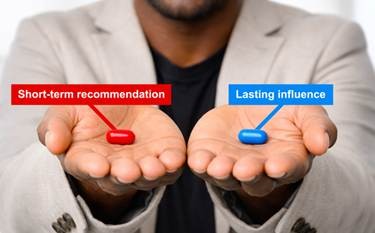
In many customer-facing environments, frontline employees are expected to make helpful recommendations on the spot.
These decisions are made in seconds and have both immediate and long-term implications for a brand.
Whether in retail, hospitality, banking, or healthcare, customers often rely on their guidance to make the right choice.
Research shows that 92% of consumers trust recommendations from people over brand advertising, highlighting the power of the frontline recommendation moment.¹
“Educational marketing is a proven strategy for building lasting confidence among frontline teams and influencers, enabling them to make and clearly explain credible recommendations,” said Michael Gullan, CEO of G&G Advocacy.
Learning that never switches off
Educational marketing equips frontline teams with a deeper understanding of context, products and services, available alternatives, and how to use and recommend them effectively.
When organisations invest in ongoing development of these teams, they cultivate real, practical expertise they can apply in their roles.
Knowledge becomes instinct
Ongoing education ensures frontline employees are familiar with products, their applications, and alternatives, and can answer any questions end-users may have.
Over time, this knowledge becomes instinctive, which means that when asked for advice, they already have a mental library of examples, benefits, and comparisons.
This allows them to act as confident advisers and make credible recommendations almost instantly.
Research from McKinsey shows that organisations investing in capability building and continuous learning can improve employee performance by 20–30%, highlighting the value of ongoing education in building confidence and expertise.2
Gullan shares an example from a pharmacy setting: “Continuous education through interactive courses, resources, and patient case studies helps pharmacists deepen their understanding of ailments, symptoms, and treatment options. When a patient asks for help managing symptoms such as seasonal allergies or headaches, the pharmacist can quickly assess the situation, recommend an appropriate product, and guide safe usage.”
This not only influences the immediate purchase but also increases the likelihood of building lasting customer loyalty.
Confidence drives recommendations
Well-informed frontline teams are more comfortable engaging with customers, explaining options, and suggesting suitable alternatives.
Customers can sense this confidence, which strengthens trust and enhances the overall service experience.
Confidence is built through repeated exposure to credible information and practical application.
As understanding deepens, hesitation falls away, enabling teams to respond naturally and provide clear, informed guidance when it matters most.
Alignment creates consistency
Ongoing educational marketing also keeps teams aligned with an organisation’s messaging.
Regular exposure to value propositions, product information, and use-cases creates consistency between what customers see in marketing and what they hear from frontline employees.
This helps organisations deliver a more coherent and credible customer experience.
The advisor advantage
Organisations that invest in educating their frontline teams empower them to become confident, knowledgeable advisers who understand customer needs, navigate available options, and guide decision-making with clarity.
For pharmacists and other frontline professionals, this elevates their role to trusted advisors of choice.
Research from Deloitte shows that organisations with strong learning cultures are 52% more productive, reinforcing the value of sustained education in equipping frontline teams to guide customers with confidence and credibility.3
In the moments that matter most, it’s confidence and credibility that shape consumers’ decisions, and that turn everyday interactions into opportunities to build trust, influence choice, and create lasting loyalty.
References
- McKinsey & Company. Building capabilities for performance. McKinsey & Company, 2015–2020 insights on capability building and performance improvement.
- Deloitte. Global Human Capital Trends: Learning in the flow of work. Deloitte Insights; 2019.
- Nielsen. Global Trust in Advertising Report. Nielsen, 2021.
Release information
Issued on behalf of
G&G Advocacy
Media contact
Angelfish Pr and Events
Annie Hodes
1