
Community Media Preparation for Organisations Working on National Advocacy
- Beginning with the Work
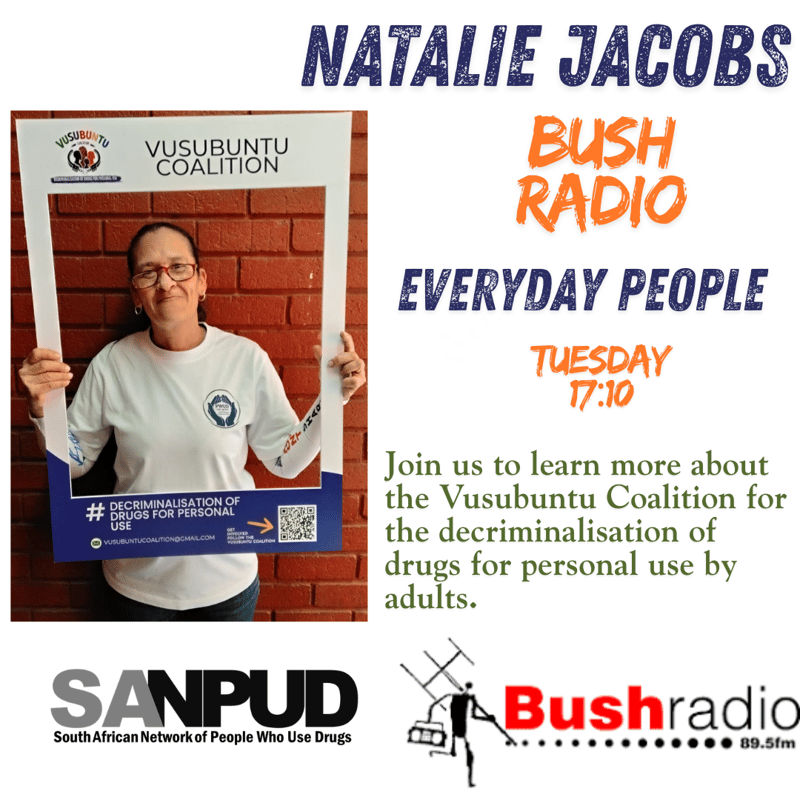
When I prepared media for a client that works with the community of people who use drugs, my focus was on the practical steps needed to support their participation in the launch of a national coalition for the decriminalisation of drugs for personal use for adults.
The work needed to begin in the same places where the client’s programmes already live. Community radio stations and local newspapers carry familiar voices and familiar concerns. They are often the first places where people hear about new initiatives. Preparing these outlets was a recognition of where the work already belongs.
Pull quote: Local media is not a channel. It is a community space.
Writing for Place
My first task was shaping press releases that felt grounded in the places where the client’s community members live and receive services.
Instead of sending one national release, I prepared versions that used local place names and local references. This helped producers recognise the story immediately. It made the coalition feel closer and more relevant to the everyday realities of each province.
Each release carried the same core message, but the framing shifted to match the geography and rhythm of each place. This helped community media see the story as theirs rather than something arriving from outside.
Approaching Producers Directly
Once the releases were ready, I contacted producers through email and then followed up on WhatsApp. Community stations often work with small teams. WhatsApp is the quickest way to confirm interest, share documents or answer questions.
These follow ups were part of building a working relationship. They helped producers feel supported and kept the communication steady.
I also prepared guidance for journalists attending the launch. This guidance explained how to move through the space with care. It described how to approach people gently, how to check consent, and how to ensure that people felt in control of their own stories.
It encouraged journalists to use language that supports dignity and to avoid terms that reinforce stigma. It also offered reminders for photographers, encouraging images that protect anonymity and avoid exposing people to harm. This helped create a shared understanding of how to report on the event respectfully.
Preparing Spokespeople and Staff
Preparing media is not only about supporting journalists. It is also about preparing the people who will speak.
I created speaker notes for the client’s spokespeople. These notes helped them understand the coalition’s goals and how the client’s work connects to those aspirations. The notes were practical and steady. They supported confident interviews and helped spokespeople feel prepared.
I also prepared a companion for staff who would be walking with journalists. It explained how to support people who choose to speak and those who choose not to. It described how to stay close enough to offer comfort without directing the conversation. It guided staff on how to introduce people without labels and how to help someone pause or stop an interview if they felt unsure. This helped create a safe environment for everyone involved.
Shaping National Messaging
While community media needed familiarity and place based framing, national media required something different.
For national outlets, I prepared a press release focused on the legal framework, constitutional obligations and the need for policy change. National audiences often look for structural context. This version provided it without losing the human centre of the story.
It explained how criminalisation affects access to healthcare, how it shapes daily conditions, and why a health centred approach is necessary.
The Coverage Secured
The result was steady and grounded media engagement.
Three community interviews were booked. One in KwaZulu Natal. One in the Western Cape. One in Pretoria.
A national interview was confirmed with a major talk radio station.
More importantly, producers felt prepared. Spokespeople felt supported. The coverage reflected the communities where the client works every day.
Holding the Centre of the Work
As the launch approached, I kept returning to a simple idea.
Community media is not an add on. It is part of the work itself.
Preparing producers, shaping messages and supporting spokespeople were part of creating the conditions for the client’s work to be understood with care.
Every communication step needed to reflect the values that guide the client’s practice. Clarity. Dignity. Presence.
Creating Conditions for Safe Coverage
The guidance I prepared helped journalists understand how to engage respectfully with people who use drugs.
It explained how consent works in practice, how to avoid language that reinforces stigma, and how to take photographs that protect dignity.
It also helped staff support people during interviews, ensuring that they remained in control of their own visibility. This created a more supportive environment for everyone involved.
Continuing the Practice
Preparing media for the launch reinforced a simple truth.
Community media is essential for community based organisations working on national advocacy.
The work continues. Building relationships. Shaping guides. Ensuring that local stations and newspapers remain central to how organisations communicate their work.
Release information
Issued on behalf of
Phumlani Malinga Communication Strategist
Media contact
Communication Strategist
MISS PHUMLANI MALINGA