
Turning Existing Knowledge Into Tools That Meet Our Current Communication Needs
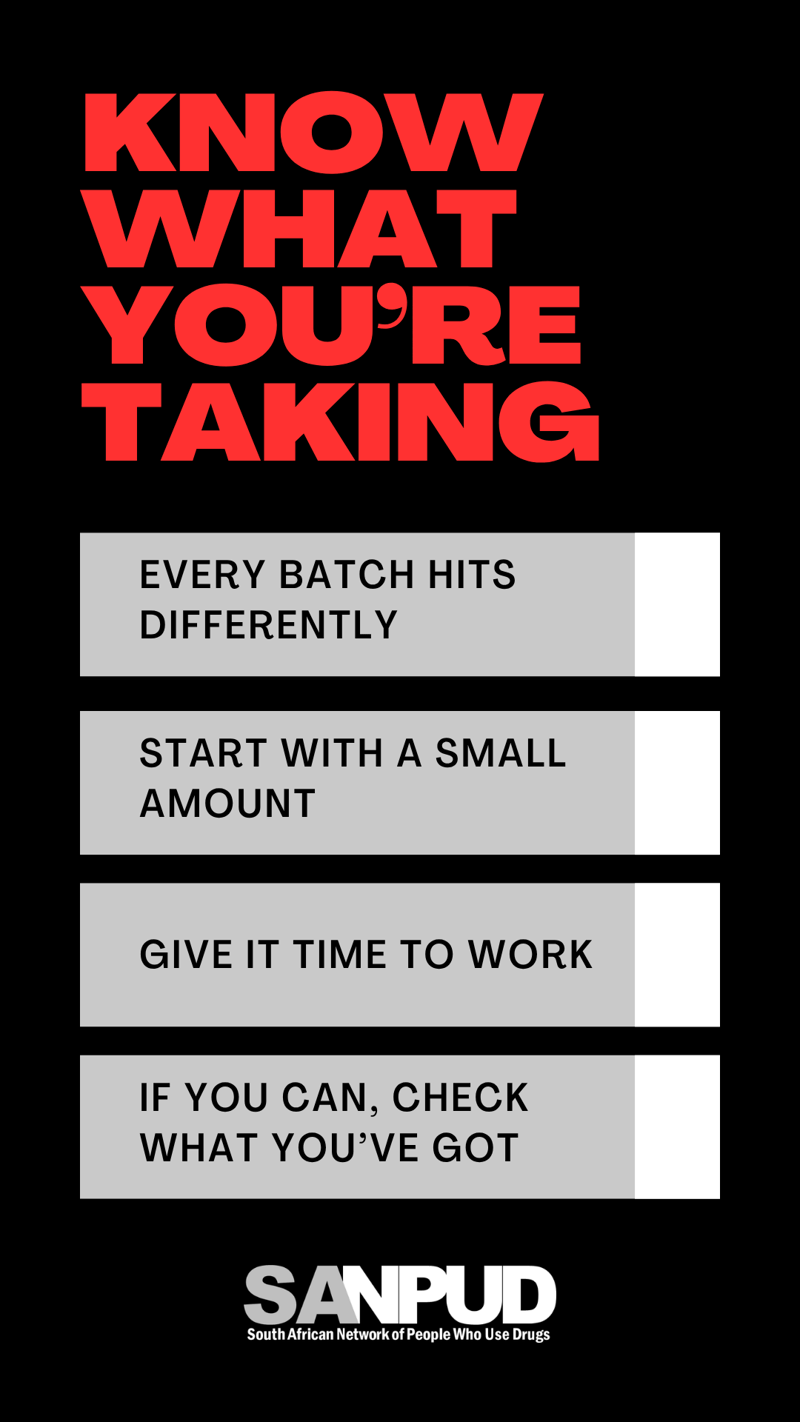
Organisations working in human rights, reproductive health rights, gender diversity and harm reduction often hold more knowledge than they realise. This reflection looks at how existing materials and lived experience can be shaped into communication that supports the work we are doing right now, without demanding new resources.
In rights-based work, communication rarely begins with a blank page. Most organisations and community groups already carry years of insight — in conversations, field notes, workshop materials, WhatsApp threads, and the lived experience of the people doing the work. The challenge is not a lack of information. It is finding a way to turn what already exists into tools that meet our current communication needs.
Communication Rooted In Existing Knowledge
This becomes especially important in human rights, reproductive health rights, gender diversity and harm reduction, where teams often work under pressure and with uneven capacity. In these environments, communication must be practical. It must support the moment we are in, not the ideal conditions we wish we had.
A useful starting point is to look closely at what is already present. Most teams have fragments of clarity scattered across their work: a sentence that resonated in a workshop, a diagram that helped someone understand a process, a message that travelled well in a community setting.
These fragments are not leftovers. They are the raw material for communication that feels familiar, grounded and usable.
Shaping Rather Than Reinventing
From there, the work becomes one of shaping. Not reinventing. Not polishing for effect. Simply organising what is already known into a form that helps people do their work — a short guide, a message, a set of steps, or a way of explaining something that brings coherence to a complex issue.
When communication grows from existing knowledge, it stays connected to the realities of the people who will use it.
Valuing Lived Experience
This approach also respects the knowledge that communities and practitioners have carried for years. It recognises that lived experience is not an “input” but a foundation.
When we build communication from what people already understand, we strengthen the work rather than adding another layer to it.
Continuity In Changing Contexts
In moments of limited time or shifting priorities, this way of working offers continuity. It allows teams to respond to the present without abandoning what they have already built.
And it keeps communication rooted in the everyday practice of human rights work — where clarity, care and usefulness matter more than novelty.
Source
This reflection first appeared on my website, where I share notes on communication practice and rights-based work.
Release information
Issued on behalf of
Communication Strategist
Media contact
Communication Strategist
MISS PHUMLANI MALINGA