
Why Shoulder Season May Be the Smartest Time to Book an African Safari
Written by: Olivia Jones Communications Save to Instapaper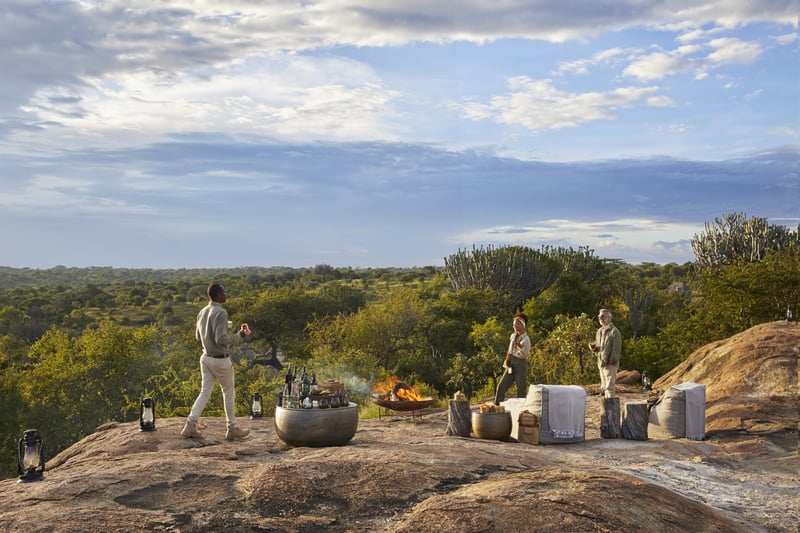
As demand for African safaris continues to rise, and peak-season availability tightens across Southern and East Africa, travel experts are encouraging guests to consider booking during one of the continent’s most overlooked windows: shoulder and green seasons.
“Many travellers look first at weather charts and migration calendars when they’re booking an African safari, but this really isn’t the only consideration when planning a trip,” says Sam Wenger, founder of the modern Africa guide and travel agency RefinedRoutes.
“The off-peak shoulder and green season can offer something far richer than simply ticking wildlife sightings off a list. It’s during this time that something shifts across Africa — the crowds thin, the pace slows and the landscapes transform. For many safari insiders, this is actually considered the sweet spot for travel.”
Understanding the Safari Calendar
Dry (or High) Season
Across much of Southern and East Africa, May to October — particularly June, July, August and September — is considered high season.
These are largely the dry months, when vegetation thins and wildlife can be easier to spot.
In East Africa, this also often aligns with the northern Serengeti and Maasai Mara phase of the Great Migration, including the headline river crossings — and in the southern part of Africa, in Botswana, when the Okavango Delta floods.
“This phenomenon is made possible by rainfall in the Angolan highlands earlier in the year, with water travelling for about 1,500 kilometres before reaching Botswana,” says Wenger.
“That’s why the flooded Okavango Delta is actually a dry-season phenomenon, but many clients often think it is rainy season.”
Green (or Low) Season
November to March is often referred to as green season, when rains return and landscapes become lush and vibrant.
While some travellers assume this means compromised game viewing, Wenger notes the reality can be the opposite.
With fewer crowds at sightings, richer scenery, and wildlife moments shaped by new life and shifting light, green season can be one of the most rewarding times to go.
Shoulder Season
Shoulder season refers to the transition months between peak dry season and the more frequent rains — typically April to June and October to early December — when conditions remain excellent, lodges are open, and wildlife activity continues, but without the intensity and price tag of peak travel.
“From my experience travelling extensively during green and shoulder months in Tanzania, Kenya, Botswana, Namibia and South Africa, I would describe this as a completely different experience, and one that is often extraordinary.”
What are the Benefits of Booking in Shoulder Season?
Value Beyond Discounts
While shoulder and green season often brings lower published rates, Wenger says the value goes beyond simple discounts:
“Value isn’t just about paying less per night, it’s about structuring a trip intelligently with fewer transfers, better offers, and added nights that deepen the experience.”
He explains that RefinedRoutes actively tracks seasonal offers such as ‘pay three, stay four’ specials, complimentary inter-lodge transfers within the same portfolio, and extended stay incentives.
In many cases, these benefits translate into savings of several thousand dollars across a multi-destination itinerary.
Fewer Crowds
Peak season can bring exceptional wildlife viewing, but visitors also have to contend with multiple vehicles at a single sighting, particularly in popular reserves and migration corridors.
During shoulder and green season months, Wenger says the pace shifts:
“There’s space to sit at a waterhole without another vehicle in sight, and to follow a sighting longer.”
A Relaxed Atmosphere
With reduced occupancy levels, Wenger says that lodges often feel more personal:
“Guests may experience a stronger guide-to-guest ratio, better flexibility in daily planning, and greater ease securing preferred room placements.”
Availability also improves at properties that book out far in advance during high season, allowing travellers access to camps that might otherwise be out of reach.
Dramatic Scenery
He explains that shoulder and green months transform the aesthetic of safari when the dust settles and the bush becomes vibrant:
“There might be rainfall but it’s often in short, dramatic bursts which actually heightens the experience — as anyone who has experienced an African thunderstorm can confirm.”
The dramatic skies, storm light and green backdrops are also ideal for photographic conditions.
Exceptional Viewings
The return of rain coincides with birthing season for many antelope species, as food becomes abundant.
Wenger notes, “The green season feels like nature restarting itself and it’s a very different mood from the stark survival energy of the dry season.”
Newborn impala, zebra and wildebeest can be seen across the plains, which can sometimes increase predator activity.
Birding is often exceptional in these months, with breeding activity and migratory species in many regions.
Greater Flexibility
Finally, Wenger says that shoulder and green season allows for more fluid itinerary design:
“With improved lodge availability and less pressure on internal flights and transfers, routes can be structured with greater care.”
Booking with RefinedRoutes
RefinedRoutes, whose team lives and works in Africa and conducts ongoing lodge inspections, uses this flexibility to design slower, more immersive journeys that reduce unnecessary travel while maximising meaningful time in each landscape.
“We keep the adventure real and the logistics invisible,” concludes Wenger.
“There’s no single ‘best’ time for Africa, just the right time for the experience you want. And very often, that moment sits just outside the obvious months.”
African Safari FAQs
Q: What exactly is shoulder and green season on safari?Shoulder season refers to the transitional months between peak dry season and the lusher green season with more frequent rain and lush landscapes.
Across much of Southern and East Africa, this typically falls between April and June, and again from October to early December.
Conditions remain excellent, lodges are open, and wildlife activity continues, but with fewer crowds and often better value.
Q: Will wildlife viewing be compromised during shoulder and green season?Not necessarily.
While vegetation may be slightly denser in some regions, shoulder and green season months can bring unique advantages, including newborn wildlife, potential for increased predator activity, dust-free air and dramatic photographic conditions.
The experience is often different rather than diminished.
Q: Why work with a specialist like RefinedRoutes for shoulder and green season travel?Seasonal shifts vary by region, ecosystem and even week.
RefinedRoutes designs itineraries from lived, on-the-ground experience, continuously inspecting lodges and monitoring conditions.
The team also tracks seasonal offers and availability, ensuring that travellers benefit not only from better rates, but from smarter routing, added value and a more refined overall experience.
“Value matters,” says Wenger. “Shoulder and green season travel is often where you can get more for the same spend.”
RefinedRoutes, which operates across Africa, delivers an authentic safari experience for all travellers.
The on-site team has intimate knowledge of regions, lodges, and routes to create a design-led safari experience for every traveller.
Contact https://www.refinedroutes.travel.
Follow Refined Routes on Facebook or Instagram.
Submitted on behalf of
- Company: Olivia Jones Communications
- Contact #: 0824813288
Get new press articles by email
Latest from
- South Africa’s Sleep Crisis - Do the Solutions Lie in Nature?
- Off-Peak is the New Peak! How Travelling Out of Season Is a Key Travel Trend in 2026
- How Oceans 8 Charity Swim Has Impacted KZN Charity Efforts Over the Years
- Renishaw Solstice Race Set to Showcase Renishaw Coastal Precinct as Premier Trail and Cycling Destination
- Crocworld Hosts Successful Cross Country Event
- Ocean Festival 2026 Wraps Up a Weekend of Ocean Sport, Conservation, and Community in Scottburgh
- Transformational Facilitators to Feature at This Year’s KwazuluSpirit Festival in Salt Rock
- Conservation in the Sand Comes Alive at Ocean Festival
- Hundreds of Runners Enjoy First-Ever Crocworld Trail Run
- Surfers Not Street Children Take an Epic Win at Ocean Festival’s First-Ever Schools Tag Team Surf Contest
- Scottburgh Youngsters Thrive at This Year’s Ocean Festival Lifesaving Carnival
- Leatherback Rum Aliwal Shoal Surfski Challenge Delivers Fitting Finale to Ocean Festival 2026 Weekend
- Putting the TEA in Affordability - Why Rooibos Tea Is the Most Underrated Affordable Item in Your Pantry
- Morning Walks in Natural Space Offer Many Benefits for Retirees
- Top Paddlers Set to Race Through World-Class Marine Protected Area at Ocean Festival 2026
The Pulse Latest Articles
- South African Women Are Missing This Essential Nutrient (May 20, 2026)
- Opinion Piece: Rethinking Performance: Why Behaviour Remains The Missing Link In Evaluation (May 20, 2026)
- 125 Years Of Hansgrohe And The Designers Who Made Axor A Luxury Language (May 19, 2026)
- World Whisky Day: Whisky Lovers Challenged To Stop Saving Their Best Bottles (May 15, 2026)
- Hidden Inefficiencies Are Draining South African Businesses (May 15, 2026)