
Agritourism Gains Momentum As Key Growth Driver Supporting Jobs And Rural Economies In South Africa
Written by: WineLand Media Editor Save to Instapaper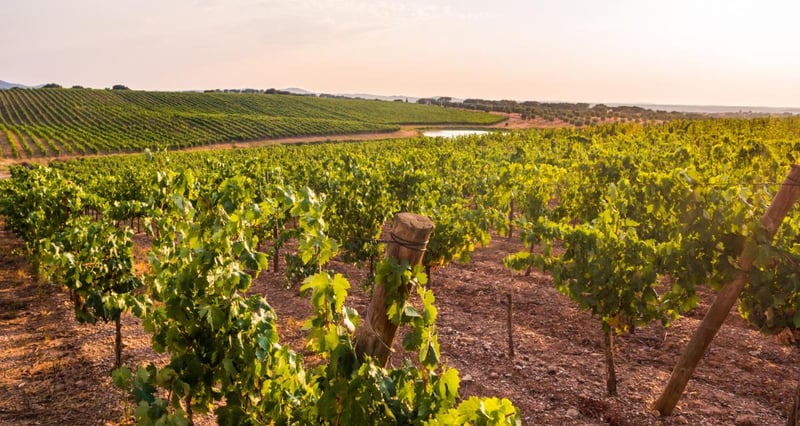
Agritourism is quietly changing how farms survive, grow and stay relevant. Wine tourism is just the clearest example of how powerful it can be.
Wine tourism is often spoken about as a lifestyle bonus, a tasting, a lunch, a day out in the Winelands. But at the macroeconomic level, it is a significant contributor to South Africa’s economy.
In 2022, the total economic impact, including direct, indirect and induced effects, reached R9.3 billion. That impact stretches far beyond cellar doors, supporting jobs and income across hospitality, transport, retail, services and rural economies
It is within this broader economic context that wine tourism, and agritourism more generally, becomes far more than a “nice to have”. It is increasingly a strategic pillar in how farms survive, grow and remain relevant in a sector shaped by rising costs, climate volatility and market uncertainty.
At its simplest, agritourism is about inviting people onto working farms and letting them experience what happens there. But in reality, it’s far more strategic than that. As Desry Lesele, senior manager: Client Value Proposition at Nedbank Commercial Banking, puts it, agritourism is “the fusion of working agriculture and tourism, where visitors are hosted on active farms and experience authentic, hands-on agricultural activities.” That might mean fruit picking, tasting produce, walking vineyards, sharing a meal on-farm, or simply hearing the story behind how something is grown.
What makes wine tourism such a powerful example is that the South African wine industry has been doing this for decades. Long before agritourism became a buzzword, wine farms were refining cellar doors, building restaurants, hosting events and creating experiences that turned visitors into loyal customers. The Cape Winelands didn’t just stumble into this success. They built it, layer by layer, learning what visitors value and how experience drives sales.
From a banking perspective, that maturity matters. “Wine tourism is one of the most developed and bankable forms of agritourism in South Africa,” says Desry. “The model is proven. It delivers consistent foot traffic, direct-to-consumer sales and stronger margins than bulk wine alone. For banks, that translates into more predictable income streams and more resilient businesses.”
What wine tourism demonstrates particularly well is the value of diversification. When farms rely solely on commodity income, they’re exposed to price pressure and volatility. Tourism income, by contrast, is service-based and offers higher margins. More importantly, it builds a relationship. People who visit farms tend to buy more, buy again and stay connected.
That shift toward experience-driven income is becoming even more important as producer priorities evolve. Rising costs, energy constraints, and tighter consumer spending are forcing farms to rethink where growth comes from. According to Desry, wineries are increasingly investing in curated experiences rather than just traditional tastings. “Food-and-wine pairings, storytelling-led tastings, outdoor activities, art, architecture and seasonal events are all ways to deepen engagement without necessarily needing to invest in massive infrastructure.”
There’s also a renewed focus on domestic tourism. South Africans make up the majority of wine tourists, and farms are responding by creating accessible, daytime experiences that encourage repeat visits. Restaurants, family-friendly offerings and events that fit into everyday life are proving more reliable than relying purely on international travel cycles.
Of course, agritourism isn’t without risk. Over-reliance on tourism income can expose farms to economic downturns and changes in consumer behaviour. Poorly planned investments can strain cash flow, especially in a sector where margins are already thin. Desry is clear that agritourism needs to be approached responsibly, with phased investment and a focus on high-impact experiences rather than expensive infrastructure.
“This is where banks play a vital role. Nedbank supports clients with flexible financing that aligns with the seasonal nature of agriculture, while also offering guidance on structuring tourism investments sustainably. The aim isn’t to turn every farm into a hotel, but to help producers design experiences that strengthen brands, improve margins, diversify income streams and create repeat business.”
What wine tourism shows, more than anything, is how agritourism allows farms to move beyond commodity thinking. By inviting people onto farms, producers become hosts, storytellers and brand builders. They give consumers a reason to care, to connect and to choose their product again.
In a climate of rising costs and uncertainty, that connection is no longer a nice-to-have. It’s a strategic advantage. “Agritourism transforms farms from pure producers into experiential brands. And in a world where consumers are increasingly selective about where they spend their money, that transformation could make all the difference.”
Get new press articles by email
We submit and automate press releases distribution for a range of clients. Our platform brings in automation to 5 social media platforms with engaging hashtags. Our new platform The Pulse, allows premium PR Agencies to have access to our newsletter subscribers.
Latest from
- Khoi Tech Leads Innovation In Africa With Locally Developed Wearables And Integrated Health Platforms
- Experts Highlight Need For Genuine Action As Climate Change Redefines Corporate Accountability
- City Of Cape Town Invests In Safe Space Upgrades To Enhance Dignity And Support For Residents
- Cape Town Tourism Highlights Shift To Domestic Travel Amid Cost Pressures And Changing Preferences
- Samro Delivers Increased Royalty Payments And Highlights Stable Growth And Financial Sustainability
- Western Cape Forensic Pathology Service Marks 20 Year Milestone With Focus On Dignity And Justice
- Western Cape Development Plans Spark Debate Over Future Of Oude Molen Eco Village
- Beer Industry Demonstrates How Sustainability And Economic Growth Can Work Together In South Africa
- AGES 2026 Report Reveals Strong Investment Activity And Deal Making Across Africa’s Green Economy
- African Mining Week Panel To Highlight Role Of Strategic Deals In Boosting Mining Investment Across Africa
- Regional Leaders Position Caribbean As Emerging Energy Hub With Dual Focus On Oil And Renewables
- The Animation School Celebrates Triple Shortlist At Renowned New York Festivals TV And Film Awards
- South Africa Introduces Fuel Relief Measures As Price Increases Threaten Food Security And Growth
- SMEs Across Africa Face Mounting Pressure As Rising Oil Prices Impact Trade And Profitability
- South African Farmers Face Rising Fuel Costs And Supply Concerns Amid Global Energy Disruptions
The Pulse Latest Articles
- Female Founders Announce Launch Of South Africa’s Premium Brand Advisory Firm: Aura (April 2, 2026)
- Ai Fraud Defence Launches In South Africa As Deepfakes Hit Financial Institutions (April 1, 2026)
- Influencers Share Their Favourite Holiday Games (March 26, 2026)
- Procurement Can Buy Pr. It Cannot Buy Judgement. (March 25, 2026)
- Cape Town Fintech Happy Pay Raises $5m To Reinvent Bnpl In South Africa (March 23, 2026)