
Western Cape Development Plans Spark Debate Over Future Of Oude Molen Eco Village
Written by: BizCommunity Editor Save to Instapaper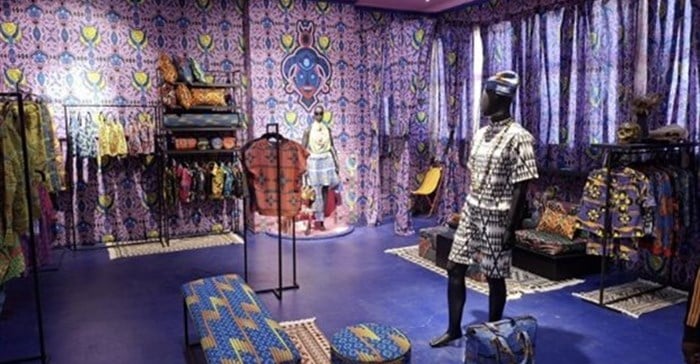
Source: GroundUp/Jacques Malherbe
“This house was a ruin when I first came, but I just fell in love with it. It had such good bones,” she remembers.
Harper and her late partner, John Holmes, repaired the structure and built a backpackers’ hostel in the village.
“I’ve put in a lot of effort over the years,” she says, “a lot of blood, sweat, and tears.”
Her home and hostel stand to be lost if the Western Cape government, which owns the land, forges ahead with plans to build a mixed-use housing and retail development, which will include between 2,000 and 3,500 housing units, of which a third will be affordable housing.
Source: GroundUp/Jacques Malherbe. Local fashion label Masa Mara has a boutique in the village.
The Oude Molen Eco Village, which lies on the banks of the Black River and is about 7km from the Cape Town city centre, is home to an eclectic mix of establishments, including schools, shops, cafes, and a frail care centre.
It resembles a rural farm more than a city neighbourhood. Residents call the village the city’s “green lung”. It has vegetable gardens, chicken coops, and horse paddocks.
“It’s an oasis, a hidden gem”, says advocate Rod Solomons, who chairs the tenants’ association.
But the province, which characterised the site as “underutilised” in its submission to Heritage Western Cape, plans to erect a high-density development with affordable housing, open-market housing, and retail space. Tenants have resisted the plans since they were first mooted in 2021.
The site has ready access to the N2 and the Pinelands train station, making it ideal for development in the province’s view. According to the province’s plans, the redevelopment “presents a transformative opportunity” to create “substantial socio-economic benefits” in the area.
Jens Horber, of housing activist group Ndifuna Ukwazi, which has advocated for the use of state land for affordable housing, told GroundUp that the Oude Molen site is “already playing a vital and publicly beneficial role.”
“It should not be redeveloped as currently proposed. The province cannot seem to strike the balance between affordable housing provision, development, and heritage preservation,” said Horber. There is other provincially-owned land in the area that could be used to develop affordable housing, he said.
The tenants have been buoyed by Heritage Western Cape’s decision last week to reject, for the second time, the province’s heritage impact assessment. The first assessment was rejected late last year. It found that the province’s submission “has not sufficiently investigated the intangible and living heritage” of the site, in accordance with the National Heritage Resources Act.
The fight may be far from over. The province told GroundUp that the decision would be taken to appeal.
The site is home to a “pocket forest” which is used for Khoi ceremonies and to a traditional Goringhaikona kraal.
“Oude Molen is a deeply spiritual place,” says Tauriq Jenkins, a representative of Goringhaikona. “It’s a place where religious, traditional, and cultural practices take place. I do not think that the province grasps the importance of that.”
“The idea that the people here are insignificant is akin to the whole colonial theory,” he says. “It needs to be squarely challenged. Oude Molen belongs to the people who live here.”
Source: GroundUp/Jacques Malherbe. Artist Friday Mbwana works on a sculpture. He is one of several artists with workshops in the Oude Molen Eco Village.
The province said in its heritage impact assessment that the “various tangible and intangible heritage resources” at the site were valuable and would be “recognised and incorporated into future development planning”.
But, for Solomons, it is not enough. “They talk about memorialisation, but it will be like a building or a garden. But that’s corporate.”
“We are custodians of living heritage on public land,” says Solomons.
Tenants say the province’s plan ignores over three decades of their own development.
“When I arrived here this place was basically a dump,” says Dan Neser, who has lived on the site for more than 30 years.
Tenants have made improvements and developed their businesses. “It’s always been the tenants. They put in sweat, money, time,” says PJ van der Walt, who has run a backpackers’ hostel and restaurant on the site for years. “I’ve spent close to R20-million on my business in the last 20 years.”
Doubts about the future of the site and whether the current three-year leases will be renewed are making tenants hesitant to make further commitments. “You can’t plan for your future,” says Neser.
“To say that what is happening here is not real development is crushing my soul,” says Harper, standing in her garden. “It would be a pity to see paradise paved over with concrete.”
Published originally on GroundUp.
© 2026 GroundUp. This article is licensed under the GroundUp Republication Licence Version 1.0.
Get new press articles by email
We submit and automate press releases distribution for a range of clients. Our platform brings in automation to 5 social media platforms with engaging hashtags. Our new platform The Pulse, allows premium PR Agencies to have access to our newsletter subscribers.
Latest from
- Khoi Tech Leads Innovation In Africa With Locally Developed Wearables And Integrated Health Platforms
- Experts Highlight Need For Genuine Action As Climate Change Redefines Corporate Accountability
- City Of Cape Town Invests In Safe Space Upgrades To Enhance Dignity And Support For Residents
- Cape Town Tourism Highlights Shift To Domestic Travel Amid Cost Pressures And Changing Preferences
- Samro Delivers Increased Royalty Payments And Highlights Stable Growth And Financial Sustainability
- Western Cape Forensic Pathology Service Marks 20 Year Milestone With Focus On Dignity And Justice
- Beer Industry Demonstrates How Sustainability And Economic Growth Can Work Together In South Africa
- AGES 2026 Report Reveals Strong Investment Activity And Deal Making Across Africa’s Green Economy
- African Mining Week Panel To Highlight Role Of Strategic Deals In Boosting Mining Investment Across Africa
- Regional Leaders Position Caribbean As Emerging Energy Hub With Dual Focus On Oil And Renewables
- Agritourism Gains Momentum As Key Growth Driver Supporting Jobs And Rural Economies In South Africa
- The Animation School Celebrates Triple Shortlist At Renowned New York Festivals TV And Film Awards
- South Africa Introduces Fuel Relief Measures As Price Increases Threaten Food Security And Growth
- SMEs Across Africa Face Mounting Pressure As Rising Oil Prices Impact Trade And Profitability
- South African Farmers Face Rising Fuel Costs And Supply Concerns Amid Global Energy Disruptions
The Pulse Latest Articles
- Female Founders Announce Launch Of South Africa’s Premium Brand Advisory Firm: Aura (April 2, 2026)
- Ai Fraud Defence Launches In South Africa As Deepfakes Hit Financial Institutions (April 1, 2026)
- Influencers Share Their Favourite Holiday Games (March 26, 2026)
- Procurement Can Buy Pr. It Cannot Buy Judgement. (March 25, 2026)
- Cape Town Fintech Happy Pay Raises $5m To Reinvent Bnpl In South Africa (March 23, 2026)