
Experts Welcome Inverted Food Pyramid As Landmark Reset In Nutrition Guidance
Written by: BizCommunity Editor Save to Instapaper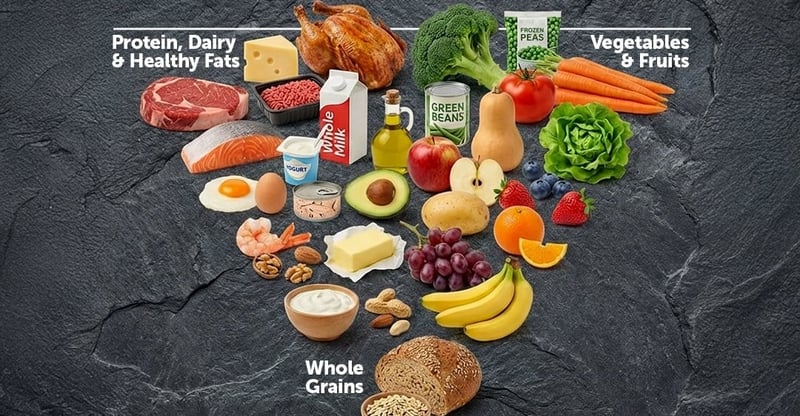
Now, in one decisive shift, that model has been turned on its head.
The newly inverted food pyramid signals more than a visual redesign; it represents a fundamental correction in how we understand nutrition, metabolism, and long-term health.
It acknowledges what many clinicians, researchers, and practitioners have been observing for years: real food, adequate protein, and metabolic health matter far more than calorie counting or fat avoidance.
Here’s why this shift matters and what we should take from it:
Finally, protein is the priority
Protein has moved to the top of the pyramid and not a moment too soon.
For years, protein was treated cautiously, even suspiciously, despite its essential role in muscle maintenance, immune function, hormonal health, satiety, and metabolic stability.
The revised guidelines effectively double down on protein’s importance, reflecting mounting evidence that most people - especially as they age - are under-consuming it.
The emphasis is not just on protein quantity, but on protein quality, with greater recognition of complete, bioavailable sources.
The war on fat is over
Just as importantly, dietary fat is no longer framed as the villain. Instead, the focus has shifted to excess sugar and refined carbohydrates as key drivers of insulin resistance, inflammation, and chronic disease.
This reframing aligns with what many health professionals have observed clinically: people do not become metabolically unhealthy because they eat eggs or meat, but rather because they consume too much sugar and refined carbohydrates, too often.
The cap on saturated is a glaring contradiction
While the guidelines still impose a limit on saturated fat equal to 10% of total calories (saturated fat is the fat that comes mostly from animal products, like meat, butter and cheese), the inverted pyramid exposes the flaw in that logic.
If protein and whole foods are prioritised, like the new pyramid suggests, it becomes impossible to remain under the 10% saturated fat threshold.
As one commentator said, “you’ll be over the cap by lunchtime”.
Fat is intrinsic to real food, as many people now understand. Importantly, fat plays a critical role in:
- Hormone production
- Brain function
- Vitamin absorption
- Sustained energy
- Satiety
Treating fat as something to restrict is a legacy idea that no longer aligns with metabolic reality. So, while questions remain around precise saturated fat thresholds, the emphasis of the inverted pyramid clearly signals a departure from decades of fat avoidance.
Not all fruit and vegetables are equal
One of the most interesting updates is the separation of fruit and vegetables - they used to be lumped in one category.
The long-standing “five-a-day” message has been refined into three servings of vegetables and two of fruit, with vegetables taking priority. This is not about demonising fruit; it’s about acknowledging the sugar load.
Lower-sugar fruits such as apples and berries are favoured over higher-sugar options like bananas and grapes, particularly for individuals managing blood sugar, energy crashes, or insulin sensitivity.
This nuance matters. It encourages people to eat more plants while still being careful about sugar, even when it comes from natural sources.
The real win: whole, unprocessed food
Perhaps the most important shift is not what moved up or down, but what moved out.
Ultra-processed foods have no meaningful place in anyone’s diet. The emphasis is firmly on food that looks like food: meat, fish, eggs, vegetables, fruit, dairy, less processed grains, and natural fats.
This simplifies nutrition in a way that decades of dietary dogma could not. Expect fewer labels, fewer ingredients, and less manipulation.
The overall message is less about optimisation and more about returning to foods the body recognises, digests, and uses efficiently.
Our prediction: hydration won’t be an afterthought
One of the most under-discussed aspects of modern nutrition is hydration - not just water intake, but cellular hydration, which requires both water and minerals, like sodium.
In today’s typical diet, most sodium comes from processed food. With the introduction of these new guidelines, diets will become lower in ultra-processed food, so people will need to be deliberate about sodium.
A second reason is that lower carbohydrate diets call for more water and more sodium, as the body naturally loses more of both.
It’s useful to remember that sodium and minerals are essential for:
- Water absorption
- Cellular hydration
- Nerve signalling
- Muscle contraction
- Cognitive performance
Drinking more water without getting adequate minerals can worsen fatigue and unknowingly cause slight headaches and muscle cramps. Hydration is not just about water volume, it’s about what allows water to do its job.
This insight led Revive to formulate daily electrolytes using physiologically relevant sodium levels and naturally occurring trace minerals which are then added to water.
In summary
The inverted food pyramid is not a swing of the pendulum. It is a long overdue course correction informed by decades of data, real-world outcomes, and metabolic science.
It also reflects the growing consensus among independent researchers and clinicians, including voices such as Nina Teicholz, who has long challenged the scientific foundations of low-fat dietary policy (her book, The Big Fat Surprise is a must-read for those interested in the history of dietary guidelines), and doctors like Dr Mark Hyman who focus on preventative health and metabolic resilience.
At its core, the message is refreshingly simple: Eat real food. Prioritise protein. Don’t fear fat. Be mindful of sugar. Hydrate properly.
Get new press articles by email
We submit and automate press releases distribution for a range of clients. Our platform brings in automation to 5 social media platforms with engaging hashtags. Our new platform The Pulse, allows premium PR Agencies to have access to our newsletter subscribers.
Latest from
- Cape Town Property Owners Face Growing Scrutiny Over Short Term Rental Compliance
- Trident Energy Expands Congo Strategy With Focus On Reviving Mature Offshore Oilfields
- Cape Winemakers Guild Protégé Programme Helps Shape Global Journey Of Tembela Wines Founder
- South Africa Withdraws AI Policy Draft Following Citation And Credibility Concerns
- Ferrari Luce Reveal Sparks Debate As Iconic Brand Unveils Bold New Design Direction
- Smart Cleaning Technology Helps Businesses Improve Efficiency And Workplace Hygiene Standards
- Reside Summit 2026 Unites South Africa’s Fragmented Residential Property Industry
- Agricultural Sector Warns Of Growing Risks From Imported Input Costs And Supply Chain Disruptions
- Stem Education Must Go Beyond Technical Skills To Address Human And Social Impact Says NWU Expert
- South African Businesses Urged To Bridge Generational Divide To Drive Economic Growth
- Inospace Highlights Rising Demand For Flexible Storage And Industrial Space Solutions
- South African Brands Encouraged To Rethink ROI Through Balanced Marketing And Technology Strategies
- SMEs Encouraged To Strengthen Resilience As Fuel Cost Volatility Impacts Operating Expenses
- Nedbank Top Empowerment Conference 2026 To Spotlight Transformation And Economic Resilience
- Businesses Urged To Bridge Trust Gap As Convergence Economy Reshapes Consumer Expectations
The Pulse Latest Articles
- South African Women Are Missing This Essential Nutrient (May 20, 2026)
- Opinion Piece: Rethinking Performance: Why Behaviour Remains The Missing Link In Evaluation (May 20, 2026)
- 125 Years Of Hansgrohe And The Designers Who Made Axor A Luxury Language (May 19, 2026)
- World Whisky Day: Whisky Lovers Challenged To Stop Saving Their Best Bottles (May 15, 2026)
- Hidden Inefficiencies Are Draining South African Businesses (May 15, 2026)