
Inospace Highlights Rising Demand For Flexible Storage And Industrial Space Solutions
Written by: BizCommunity Editor Save to Instapaper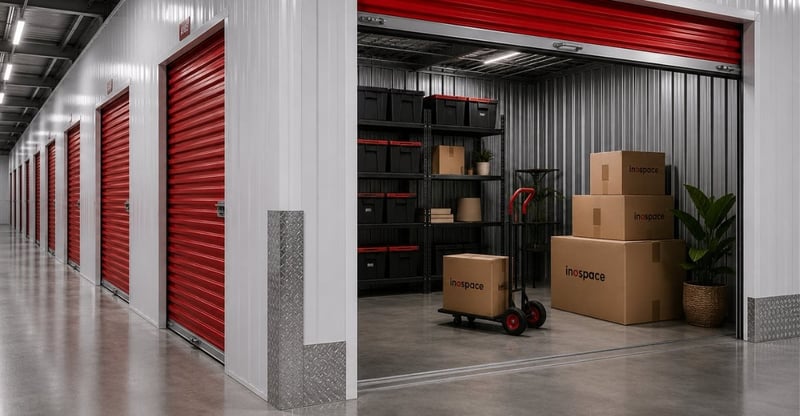
It can be a fine-cut environment, and to survive it, most companies now find that flexibility is a strategic advantage.
One area where this is especially visible is storage. Rather than committing to large long-term warehouses, more businesses are embracing flexible storage solutions that adapt to their needs while reducing overhead costs, with companies like Inospace helping businesses access more flexible industrial and storage space options.
The changing needs of modern businesses
Business operations today look very different from those of a decade ago. Online sales channels are expanding while delivery expectations continue to rise, which means inventory needs to move faster and be stored closer to customers.
Traditional warehouse leases often require large spaces and lengthy contracts. That structure can work for established corporations, but it often proves restrictive for growing businesses that need agility.
Flexible storage solutions offer a more adaptable alternative. Businesses can access the space they need today while retaining the freedom to expand tomorrow. As demand fluctuates throughout the year, companies can scale their storage footprint up or down without relocating their entire operation.
Supporting the growth of e-commerce
The rapid growth of e-commerce in South Africa has placed new pressure on logistics and storage infrastructure. Online retailers must store products and fulfill orders while maintaining competitive delivery times.
Flexible storage solutions make this process easier. Smaller warehouses alongside micro-distribution hubs and shared logistics spaces allow businesses to store inventory strategically rather than relying on a single large warehouse.
This distributed approach shortens delivery distances while improving operational efficiency. At the same time, it helps businesses respond faster to seasonal demand spikes or unexpected surges in online orders.
Reducing costs while improving efficiency
Cost control remains a major priority for businesses operating in a challenging economic climate. Renting large industrial spaces can place unnecessary pressure on cash flow, particularly when companies only use part of the facility.
Flexible storage solutions solve this problem by allowing businesses to pay only for the space they actually need. Options like shared facilities and short-term agreements create a more efficient model that aligns costs directly with operational requirements.
Along with lowering rental expenses, this model also reduces maintenance responsibilities and administrative complexity. Businesses can focus their energy on serving customers and growing revenue rather than managing property.
Supporting business growth without disruption
Expanding companies often face a difficult choice: move into a larger warehouse earlier than necessary or risk running out of space as orders increase.
Flexible storage removes this dilemma. Businesses can begin with modest storage capacity while gradually increasing their footprint as operations expand. Instead of relocating and disrupting daily operations, they can scale smoothly within an adaptable storage environment.
A smarter approach to logistics
Storage facilities that once functioned purely as static warehouses are now becoming dynamic operational hubs.
Flexible storage solutions fit naturally into this evolving ecosystem. By combining adaptable space with convenient locations, these facilities help businesses move goods more efficiently while keeping supply chains responsive.
For South African entrepreneurs and established companies alike, this option reflects a broader change in how businesses compete and grow in an increasingly agile economy.
Get new press articles by email
We submit and automate press releases distribution for a range of clients. Our platform brings in automation to 5 social media platforms with engaging hashtags. Our new platform The Pulse, allows premium PR Agencies to have access to our newsletter subscribers.
Latest from
- Cape Town Property Owners Face Growing Scrutiny Over Short Term Rental Compliance
- Trident Energy Expands Congo Strategy With Focus On Reviving Mature Offshore Oilfields
- Cape Winemakers Guild Protégé Programme Helps Shape Global Journey Of Tembela Wines Founder
- South Africa Withdraws AI Policy Draft Following Citation And Credibility Concerns
- Ferrari Luce Reveal Sparks Debate As Iconic Brand Unveils Bold New Design Direction
- Smart Cleaning Technology Helps Businesses Improve Efficiency And Workplace Hygiene Standards
- Reside Summit 2026 Unites South Africa’s Fragmented Residential Property Industry
- Agricultural Sector Warns Of Growing Risks From Imported Input Costs And Supply Chain Disruptions
- Stem Education Must Go Beyond Technical Skills To Address Human And Social Impact Says NWU Expert
- South African Businesses Urged To Bridge Generational Divide To Drive Economic Growth
- South African Brands Encouraged To Rethink ROI Through Balanced Marketing And Technology Strategies
- SMEs Encouraged To Strengthen Resilience As Fuel Cost Volatility Impacts Operating Expenses
- Nedbank Top Empowerment Conference 2026 To Spotlight Transformation And Economic Resilience
- Businesses Urged To Bridge Trust Gap As Convergence Economy Reshapes Consumer Expectations
- South Africa’s ECD Sector Urged To Prioritise Mentorship And Practical Skills Development
The Pulse Latest Articles
- South African Women Are Missing This Essential Nutrient (May 20, 2026)
- Opinion Piece: Rethinking Performance: Why Behaviour Remains The Missing Link In Evaluation (May 20, 2026)
- 125 Years Of Hansgrohe And The Designers Who Made Axor A Luxury Language (May 19, 2026)
- World Whisky Day: Whisky Lovers Challenged To Stop Saving Their Best Bottles (May 15, 2026)
- Hidden Inefficiencies Are Draining South African Businesses (May 15, 2026)