
South African Consumers Shift Brands for Health and Demand Cleaner Food Production
Written by: BizCommunity Editor Save to Instapaper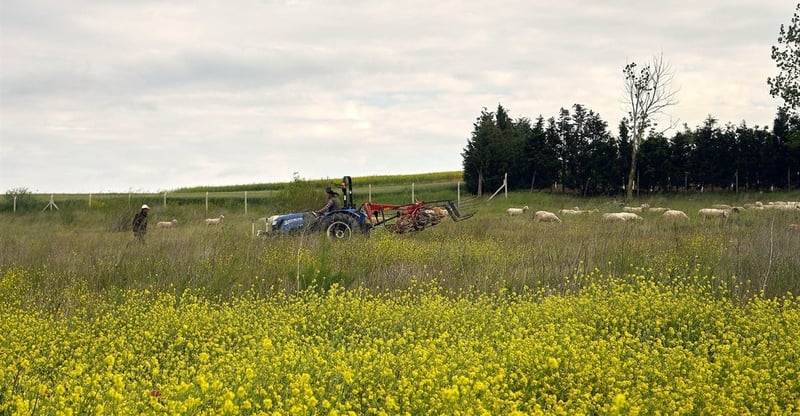
According to recent consumer research, 42% of South Africans cite health benefits as a key reason for switching food brands, while 75% want cleaner and more transparent food production. The findings also show that 70% of consumers plan to eat more fresh produce.
Food security challenges remain
Zander Spammer, agricultural resource manager at Southern Oil, says farm-to-table practices extend beyond consumer preferences and can contribute to more sustainable food production and supply chains.
“Beyond being the buzzword, farm-to-table has an integral role in connecting sustainable farming practices, building resilient food systems and local food sourcing while lessening pressure on the supply chain and reducing carbon footprint.”
South Africa continues to face challenges, including rising food prices, food insecurity, unemployment and climate change, with an estimated 15 to 16 million people experiencing inadequate or severely inadequate access to food.
“Despite the country’s ability to produce enough food to feed the population, there is an ecosystem at play that influences pricing models, impacted by global supply chain and economic shifts, which has an unfair impact on consumers with already stretched pockets,” emphasises Spammer.
“In fact, to improve food security and climate change, we must look at how we produce and consume food – encouraging local production not only means affordability but also addresses the unemployment gap.”
Supporting local agriculture
Spammer says strengthening local agricultural production can create broader economic benefits by supporting employment, rural development and local processing industries.
“Take canola farming, while cultivated in various parts of the world, South Africa is one of the key production regions, having over 600 producers dedicated to this valuable crop. Beyond farming, canola supports local processing capacity and provides protein rich feed for the livestock sector, creates additional jobs and strengthens rural economies - a tangible benefit of how supporting local agriculture filters beyond the farm gate,” adds Spammer.
The farm-to-table approach can also help reduce dependence on lengthy supply chains while keeping more economic activity within local communities.
Building resilient food systems
Climate change remains one of the key risks facing agricultural production, making long-term planning and resource management increasingly important.
Farmers continue to monitor weather patterns closely, particularly as forecasts point to a potential El Niño event that could affect the 2026/27 summer crop season.
“While the impact of phenomena like El Niño can be significant, the real impact is not yet known, and the rain forecast during June and July will indicate its severity. Farmers will use this information to help them plan around soil moisture management for the summer," stresses Spammer.
He adds that sourcing produce locally can help reduce transport-related emissions and food waste while improving freshness.
“In addition to soil management and other environmentally friendly methods, sourcing from local farmers allows for low greenhouse gas emissions from produce not being transported over long distances, while also reducing waste, allowing produce to arrive fresh,” adds Spammer.
More than a consumer trend
As World Environment Day is observed on 5 June, Spammer says farm-to-table should be viewed as a long-term strategy that balances environmental sustainability, food production and economic development.
“These combined factors indicate that farm-to-table is not a food trend but rather a strategic lever for resilience and sustainability.
“As we commemorate World Environment Day on 5 June, the agricultural industry plays a crucial role in building sustainable food systems and meeting the need for farm-to-table, which supports consumers' healthy lifestyles, drives demand for local produce, and supports local farmers for economic development. It’s about understanding the balance of scale between sustainability and food production.
"Additionally, food producers have a responsibility to produce sustainable and ethical products that not only take away from the environment but also put back into it to leave it in better condition than how they found it,” concludes Spammer.
Get new press articles by email
We submit and automate press releases distribution for a range of clients. Our platform brings in automation to 5 social media platforms with engaging hashtags. Our new platform The Pulse, allows premium PR Agencies to have access to our newsletter subscribers.
Latest from
- AutoTrader Joins Jacaranda FM as Official Launch Partner for N1 Solar B Highway Billboard
- Limbada Emphasises Local Truths and Listening in New KFC India CMO Role
- Traderbag Launches Sustainable Paper Shopping Bags in Response to Unclear Recycling Labels
- KwaZulu‑Natal Department Flags Income Discrepancy in Illovu Housing Project Beneficiary Registration
- TFG Africa Sees 49.2% Online Sales Growth Driven By Bash Platform
- Global Design Thinking Alliance Launches Afrika Chapter to Strengthen Continental Collaboration
- Canon South Africa Names Tunca Rodoplu Country Director To Expand Digital Production Printing And Imaging Solu
- Aukotowa Fisheries and Partners Challenge Environmental Authorisation for Offshore 3D Seismic Survey
- iProspect South Africa Wins Multiple Awards for Engaging Campaigns With Castle Lite Castle Milk Stout and Flyi
- Publicis Groupe UAE Chief Strategy Officer Tahaab Rais To Speak On Psychological Shift At Nedbank IMC 2026
- LEES 2027 Returns To Tripoli With Execution Focus For Libya Energy Sector
- Wesizwe Abandons Phased Ramp Up at Bakubung Platinum Project
- Duncan Pieterse Says South Africa On Track To Meet Fiscal Targets Despite Middle East Conflict
- Kasi Career Expo Returns to Engage Over 4,000 Grade 12 Learners With STEM and Career Pathways
- NSFAS Launches Further Refund Drive For Pre‑2010 Scheme Loan Accounts
The Pulse Latest Articles
- The Hidden Cost Of Living Crisis Is No Longer Inflation - It Is Energy (June 4, 2026)
- Hisense Powers Up For Fifa World Cup 2026 With New Tv Launch (June 4, 2026)
- Finfind Partners With The Silulo Foundation To Expand Funding Access For Underserved Msmes (June 2, 2026)
- You Can’t Measure What You Can’t Define – Or Can You? (part 3 Of 5) (June 2, 2026)
- South African Women Are Missing This Essential Nutrient (May 20, 2026)