
#africamonth- How Sarah Collins, Founder OF Wonderbag, Is Changing Lives Globally
Written by: BizCommunity Editor Save to Instapaper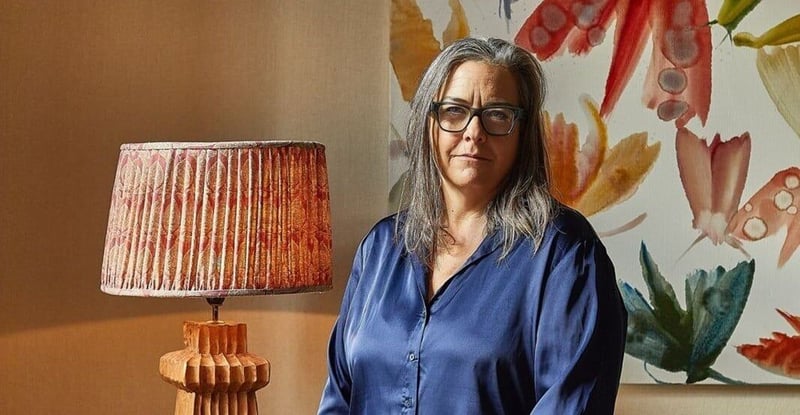
Sarah Collins, founder of Wonderbag. Image supplied
Inspired by a method her grandmother used in the 1970s to help save power when cooking, and similar to the concept of a haybox - which was used to keep food warm and preserve fuel during World War Two, Collins first tested her idea by surrounding a pan of hot food with cushions after she had turned off the stove.
The brainwave was a success, and to her amazement the food had continued to cook for several hours.
Since then, the traditional concept stayed with her, and she saw the potential to address so many of today’s challenges — from energy poverty to climate change.
"I wanted to create something that could empower people, especially women, by giving them a way to cook efficiently, safely, and sustainably, even without electricity. This led to the development of Wonderbag, a solution aimed at addressing many of the world’s environmental challenges and helping people cook without continuous energy use," notes Collins.
When asked how African heritage, culture, and history influence the brand, Collins says "African heritage and history played a pivotal role in the development and shaping of the brand. Rooted in the lived experiences of growing up in apartheid South Africa, the brand is deeply connected to rural communities and social injustices. The traditional ways of living and strength found in rural communities inspired a solution that’s not only practical but also drives positive change across social and environmental issues."
Taking African innovation to the world
Inspired by traditional heat retention cooking, Wonderbag reflects the kind of practical, community-driven problem-solving that’s deeply rooted in African culture.
It has since grown into a globally recognised brand, with over six million bags in use around the world – continually reducing pollution, saving energy and improving lives.
Image supplied
Collins says that "the world has embraced the Wonderbag because of its environmental attributes and particularly its social contributions as is also known as one of the most scalable clean cooking solutions, that not only reduces carbon emissions but also delivers on large scale social and community empowerment."
A catalyst for social and environmental change
Wonderbag has helped create economic and social opportunities in Africa by reducing the time women spend cooking, allowing them to use the bag for income-generating activities or starting small businesses, such as selling food prepared with the Wonderbag.
"This not only boosts household income but it fosters entrepreneurship and sustainable livelihoods. Socially, the Wonderbag empowers women by giving them more control over their time and enabling girls to attend school more regularly instead of helping with household chores," explains Collins.
Collins continues to add that "the Wonderbag promotes traditional values of sustainability, innovation, and community care. By using heat retention to cook meals without needing constant fuel or a source of energy, it helps save wood, reduce smoke and protect the environment. In doing this, Wonderbag carries forward the tradition of living wisely and sustainably – something that’s always been an important part of African culture."
The Wonderbag offers environmental, economic, and social benefits:
- Reduces fuel use by up to 70%, cutting down on deforestation and carbon emissions.
- Saves time for women and children, who often spend hours collecting firewood.
- Improves health by reducing indoor air pollution caused by open fires.
- Supports livelihoods through local manufacturing and women-led distribution networks.
African women play a key role in shaping sustainable solutions because they are often at the heart of their homes and communities.
"They [women] understand and know firsthand the daily challenges of cooking, fuel costs, and time constraints – so they are naturally positioned to drive change. Their lived experiences, resilience and leadership make them powerful agents of sustainable solutions," notes Collins.
In overcoming challenges in entering the market, Collins says "Wonderbag’s goal was not just to create a functional product, but one that would be embraced by communities across Africa. That came with complex challenges, such as heat retention efficiency, practicality, durability, balancing ease of use, and ensuring that it would be culturally relevant. Balancing all those elements required iterations, testing, and understanding the specific needs of the target market. Through this process, Wonderbag became a product that delivers real, lasting impact.
Not just another product, but a movement
When asked about the role of retail in Africa’s economic growth and empowerment, Collins notes that "retail contributes to reducing poverty and promoting self-sufficiency from the ground up, and at Wonderbag we see it as a powerful engine for positive change. It drives job creation as well as entrepreneurship, acting as a bridge between producers and consumers, essentially, empowering local economies."
In conclusion, Collins describes Wonderbag not just as a product, but as a movement — one that empowers communities, protects the planet, and redefines innovation by drawing on African wisdom and ingenuity.
Collins is a champion of sustainable development, gender equality, and African innovation. She has received numerous awards for social entrepreneurship and was featured at the World Economic Forum and by the UN for her work on climate action and women’s empowerment.
Get new press articles by email
We submit and automate press releases distribution for a range of clients. Our platform brings in automation to 5 social media platforms with engaging hashtags. Our new platform The Pulse, allows premium PR Agencies to have access to our newsletter subscribers.
Latest from
- R600m Design Competition Seeks Pan‑African Proposals for Nelson Mandela School Memorial and Campus Home
- WhatsApp Plus Appears in App Settings for South African Users With Enhanced Customisation
- Why Survival Clauses Matter and Eight Key Contract Terms Every Business Owner Should Know
- AWIEF Launches Pitch n Grow Annual Competition to Amplify Women-Led Ventures Across Africa
- The Business Show - - Africa Brings Entrepreneurs and Investors Together for Two Days of Growth
- South Africa Records High Ransomware Detections Amid Rising Digital Fraud Burden
- Springboks Embrace Fashion With Hello Kitty Collaboration As Merchandise Becomes Lifestyle
- Manngwe Mining Alleges ArcelorMittal Abused Monopsony Power Over Assen Mine
- African Business Culture and Sport Shape Continental Perception and Commercial Value
- Allan Gray Campaign Uses Symbolic Seats To Honour Women Who Shaped South African History
- Majority Of FMCG Manufacturers Struggle To Execute Planned Promotions, Says Smollan Technologies
- Workarounds Signal Misalignment Between Systems And Users
- AMW Appoints Standard Bank Executive Deerosh Maharaj to Advisory Board
- Merlot SA Reveals 2026 Taransaud Merlot Top 10 Winners at Klein Alto Ceremony
- Melissa Brink Steps Up to Lead iTOO Special Risks Western Cape Following Internal Development
The Pulse Latest Articles
- Wildbeest Media Launches 2026 Tourism Marketing Campaign Service For South African Travel Brands (June 22, 2026)
- Opinion Piece: The Chair Is Not The Person: A Ceo’s Hardest Leadership Lesson (June 22, 2026)
- Pura And Soweto Cyclists Celebrate Youth Day 50 Years After The 1976 Uprising (15) (June 18, 2026)
- Magic: The Gathering Assembles The Marvel Super Heroes (June 17, 2026)
- Rethinking Performance: Part 4 Of 5 Why Judgement Matters In Performance Evaluation (June 15, 2026)