
Why Play Is Not What We Think It Is
A toddler seated at a table, tracing letters looks as though they are learning.
A child building a cave from couch cushions, pouring water between containers, or inventing a game with a friend can look as though they are doing something less important.
Pleasant, perhaps. Messy. Easy to interrupt.
And yet the science of early childhood development stages tells us the opposite.
What Happens Inside A Child's Brain During Play?
For children, playing is learning.
It is one of the primary ways learning actually happens.
Through play, children test ideas, solve problems, negotiate with others, and regulate their emotions.
Play helps focus on language development in two to five year olds, encourage them to take safe risks, and make sense of the world.
This understanding is not based on assumptions about childhood.
This is grounded in decades of developmental research on how brain development in early childhood actually happens.
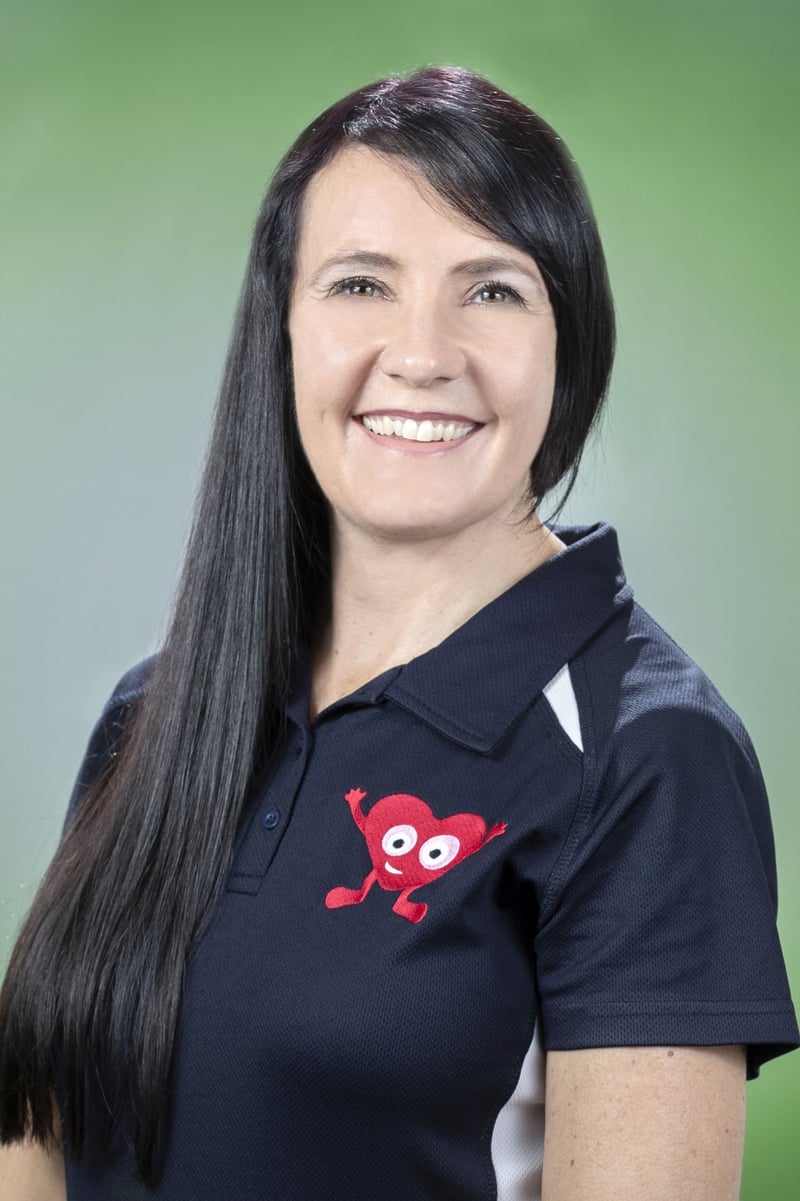
"When we focus on creating the right conditions for children to learn and grow, we often see them develop skills and confidence in ways that feel both natural and lasting," says Ursula Assis, Country Director of Dibber International Education, South Africa.
"Not hurried. Every child growing at their own pace."
A Different Way To Think About Early Learning
It is entirely natural for parents to think deeply about their child's early learning.
South African families are navigating a schooling landscape marked by numerous educational opportunities and strong competition.
The desire to give children the best possible start is not a weakness; it is love.
But fear is not always a reliable guide.
It can make visible performance look like strong foundations when they are not the same thing.
It can make worksheets feel more valuable than play, and school readiness in South Africa feel more reassuring.
Yet some of the most important early learning happens naturally through movement, conversations, relationships, imaginative play and child development, and emotional security in early childhood.
Children between one and six years old are not empty containers waiting to be filled.
They are active, curious, and emotionally complex human beings.
When we give them rich play experiences, we give them the conditions to genuinely grow and a space that will help build resilience in young children.
What Are Children Actually Learning When They Play?
For example, a toddler engrossed in a role-play, pretend play, or a fictional world is not simply imagining.
The benefits of pretend play are manifold.
They negotiate roles, process social interactions, try out new vocabulary, and replay experiences they do not yet fully understand.
When a child is building a tower, they are not just stacking blocks but are learning persistence through spatial reasoning activities for toddlers and are realizing what frustration feels like just before they try again.
Young children running and climbing outdoors are not stepping away from learning.
The benefits of outdoor play for toddlers are significant here.
They are building coordination, judgement, confidence, and bodily awareness; all of which support learning in every other setting too.
"We sometimes underestimate what happens when a child feels emotionally safe and genuinely engaged," says Assis.
"They are more likely to explore, speak, create, ask for help, and keep going when something feels difficult. Those are powerful foundations not just for school, but for life."
Looking Beyond Academic Readiness
In many early education environments, play-based learning for preschoolers is treated as something separate from learning.
Something enjoyable, but not essential.
But self-regulation in preschool children is still developing, just like emotional language, and social confidence are.
And those capacities do not emerge from pressure alone.
They develop through relationships, rhythm, repetition, movement, and play.
“We do ask whether children know enough. It’s less often that we ask whether they feel secure enough to learn. Can they recover after disappointment? Can they communicate a need? Can they imagine, persist, and cope with uncertainty? These are not secondary skills," Assis explains.
"They shape how a child enters school and how they manage everything school asks of them."
The Gift Of Not Rushing Childhood
Parents looking at international preschools in South Africa are not only looking for quality.
They are looking for something harder to define; a place where their child will truly feel alive.
"Parents do not always need more pressure," says Assis.
"Often, they need a clearer lens. When children feel safe, seen, and involved in their own learning, they develop the foundations they need not only for school, but for life."
Play-based learning is not about lowering standards.
It is about understanding child development milestones properly.
A child's wellbeing affects their learning.
Their movement affects their concentration.
Their relationships affect their confidence.
These things are not separate from education.
They are education.
When we stop rushing children, we often give them exactly what they need to become stronger, more capable, and more deeply rooted learners.
Not later. Now.
About Dibber Preschools In South Africa
Dibber Preschools in South Africa offers Nordic-inspired, play-based early childhood education for children from 6 weeks to 6 years across preschools in Johannesburg, Pretoria, and Cape Town.
Learn more at https://dibber.co.za.
Release information
Issued on behalf of
Dibber International Preschools
Media contact
The Lime Envelope
Kerry Oliver