
Written Warning Template - A Clear Record of Workplace Discipline
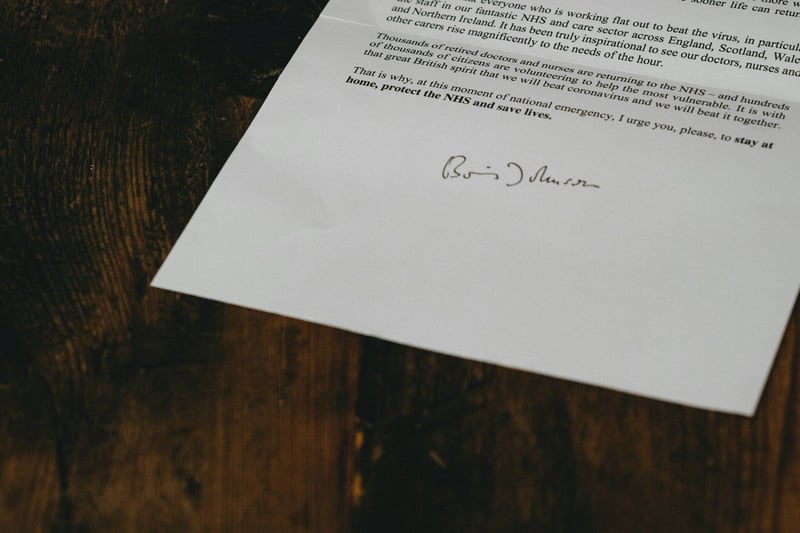
What a written warning is
A written warning is a formal workplace record used when an employee is alleged to have contravened a provision of the employer’s disciplinary code. The Written Warning template records the alleged misconduct, identifies the employer and employee, and creates a clear written account of what was explained and when the warning will lapse. It is marked as valid for six months, with a field for the lapse date to be completed.
This is not a replacement for a disciplinary code, a fair process, or a careful assessment of the facts. It is a practical document for recording a warning that the employer has decided to issue. The allegation, date, wording, participants and signatures must accurately reflect the particular workplace event. If the circumstances are disputed, serious, unusual or potentially connected to a dismissal, obtain appropriate advice before using the document.
When to use the template
Use it after the employer has considered the alleged conduct and decided that a written warning is the appropriate disciplinary outcome under the applicable workplace rules. The document is suited to a warning concerning a specific incident: it asks for the date of the alleged misconduct and a description of the conduct. It is therefore not a general performance note, informal coaching email or substitute for a charge sheet where a more formal process is required.
The template can identify either an individual employer or a business. It also identifies the employee by full name, identity or passport number and address. Before opening the meeting, decide who will explain and hand over the warning. That person’s name is captured in the form. If the employee needs interpretation, plan for an interpreter and complete the interpreter details in the document.
How the document works
The assembled document begins with the heading “WRITTEN WARNING (VALID FOR 6 MONTHS)”. It states that the employee is warned in writing for having contravened a provision of the disciplinary code and provides a space for the date and details of the alleged misconduct. It then warns that the conduct is serious and that continued unacceptable conduct may lead to more serious action.
The template records that the contents were explained to the employee and that the employee indicated an understanding. It states that a copy will be filed on the employee’s personal file and includes a lapse date. This makes the administrative timeline visible rather than leaving the employer to calculate it later. Check the date carefully: the template’s completion guidance explains that, for a six-month warning, the lapse date should be calculated with care.
There are signature sections for the employer and employee. The employee acknowledgement records that the warning was handed to the employee and explained by the named person. The template also includes an interpreter section: it records the source language, the interpreter’s name and signature, and a statement that the employee indicated an understanding. That section should not be completed mechanically. Use it when interpretation actually occurred and ensure the details describe what happened.
Key issues the template addresses
The first issue is identification. A disciplinary record should make it clear which employer and employee are involved. The template allows the employer to be an individual or a business and captures the relevant identifying details and addresses. Complete these fields consistently with the employer’s records and the employee’s verified information.
The second issue is particularity. “Poor conduct” or “breaking rules” is unlikely to be a useful description on its own. The template asks for the date of the alleged misconduct and details of the alleged misconduct. Use a factual, focused description that identifies the conduct and the relevant disciplinary-code provision or rule. Do not use labels that the facts cannot support, and do not turn the warning into a collection of unrelated complaints.
The third issue is communication. The document expressly records that its contents were explained and understood. Give the employee a genuine opportunity to read or hear the warning, ask questions and respond in the manner required by the employer’s process. A signature can acknowledge receipt; it does not by itself prove agreement with every allegation. If the employee will not sign, do not invent a signature or alter the record. Record what occurred using an appropriate internal process and consider advice on the next step.
The fourth issue is duration and filing. The template says the copy will be filed on the personal file and remains in force for six months from issue. Record the issue date and lapse date accurately, store the document securely, and use a reliable diary or HR system so that an expired warning is not treated as current. Keep access limited to people who need the information for legitimate employment administration.
Practical completion checklist
Start by gathering the employer’s legal name or individual name, registration number where applicable, address, and the employee’s full name, identification detail and address. Confirm the person authorised to issue the warning. Then enter the date of the alleged misconduct in the requested format and write the misconduct details in plain, specific language. Identify the person who will explain the warning and calculate the lapse date.
Before assembling, read the completed fields as they will appear in the final document. Check spelling, identity numbers, dates, pronouns, the description of the conduct and the lapse calculation. The form includes a “Ready to submit” field; treat that as a prompt to review, not as a substitute for a human check. The system can generate a PDF and encrypt it, but the employer remains responsible for the accuracy and handling of the record.
At the meeting, take the disciplinary code or relevant rule, the factual material and the final warning. Explain the document in a language the employee understands, or arrange the interpreter contemplated by the template. Ask the employee to sign the acknowledgement if willing, have the employer sign, and obtain the interpreter’s details and signature where applicable. Give the employee a copy and place the employer’s copy on the appropriate personal file.
Afterward, note the issue date and lapse date in the employer’s records. If later conduct is considered, assess it against the disciplinary code and the current status of the warning rather than assuming that every later event automatically justifies more serious action. Keep the warning and related records in a secure, organised file.
Common mistakes to avoid
A frequent mistake is entering a conclusion instead of particulars. The template is strongest when the misconduct description tells the employee what conduct is being addressed. Another is using the wrong date or leaving the lapse date to be completed after signature. A warning that says six months but displays an incorrect lapse date creates avoidable uncertainty.
Do not call the document a final warning if the completed form is the supplied Written Warning template. The body contains language about more serious action if conduct continues, but that is not the same as changing the document’s title or outcome. Do not add allegations, penalties or promises that are not approved for the particular matter.
Do not skip explanation or interpretation. A signature obtained without a meaningful explanation may not reflect understanding. Do not pressure the employee to admit the allegation. Also avoid backdating, changing a signed document informally, or filing an unencrypted copy in an unrestricted location.
Finally, do not treat the template as a guarantee that a warning will be upheld in every dispute. Workplace fairness, the disciplinary code, evidence, consistency and applicable law remain important. Complex cases, protected disclosures, possible discrimination, incapacity, serious misconduct or a proposed dismissal warrant professional guidance.
Why this template is useful
The template gives a small employer a structured starting point without requiring the employer to draft every administrative element from scratch. Its fields guide the user through the parties, incident, explainer and lapse date. Its acknowledgement and interpreter sections help the employer record the communication step, while the signature blocks create a clear completion point.
Its value is clarity and repeatability: a warning can be assembled from defined information, checked before submission and stored as a dated record. Tailor the document to the employer’s disciplinary code, the actual facts and the language needs of the employee. Used thoughtfully, it supports disciplined record-keeping while leaving the substantive decision—and responsibility for a fair, lawful process—with the employer.
Contracts4Biz templates are created by experienced commercial attorneys with over 20 years drafting and enforcing agreements under South African law.
Register/Login today: https://app.contracts4biz.co.za/login.html — remember, your first download is on us!
Release information
Issued on behalf of
Contracts4Biz
Media contact
Contracts4Biz
Nicolene Schoeman-Louw