
Why Protein Powder and Creatine Form the Foundation of Muscle Gains
Written by: Supplied Save to Instapaper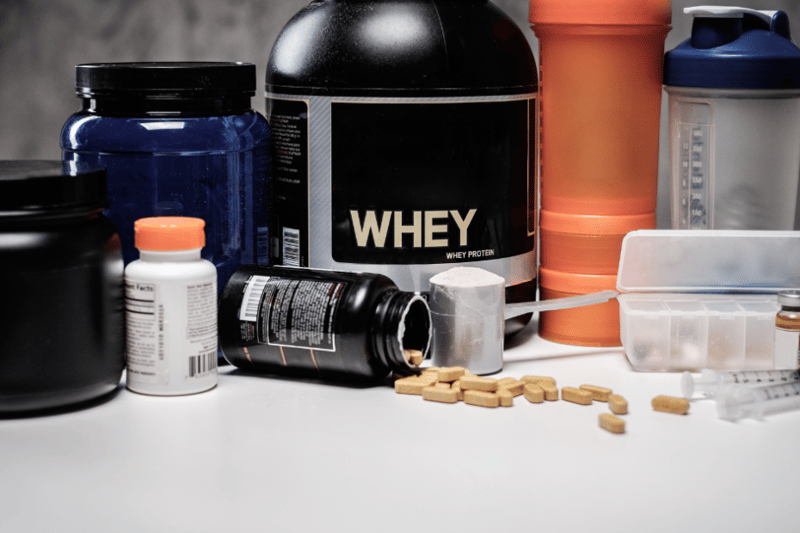
Walking into a supplement shop for the first time can feel overwhelming. Rows of tubs with bright labels, technical-sounding names, and prices ranging from modest to serious money. Knowing what each product actually does, when to use it and what to skip helps any newcomer make sensible choices.
This article walks through the main categories of muscle-building supplements available in South Africa.
The Fundamentals First
Before any supplement enters the picture, the basics matter more than anything else. Consistent training three to five times per week, getting enough sleep of seven to nine hours, eating enough total calories, and hitting protein targets through food.
A newcomer who nails these basics for three to six months will see significant gains without any supplements at all.
Supplements help build on those foundations. They make hitting targets easier, support recovery between sessions and add ingredients that food alone can’t deliver in sufficient quantity.
The order matters — foundations first, supplements second.
Protein Supplements
Protein Powder is the most popular supplement category for good reason. The body needs protein to build and repair muscle tissue. Most strength-training people need around 1.6–2.2 grams of protein per kilogram of body mass per day.
For a 75kg person, that’s 120–165 grams of protein daily.
Hitting those numbers through food alone is possible but takes effort. Three good-sized meals with chicken, beef, fish or eggs deliver maybe 90–120 grams. The remaining gap is where protein powders fill in.
Whey Protein is the most common type. It comes from milk during the cheese-making process and contains a complete amino acid profile that absorbs quickly into the body.
A typical scoop delivers 20–25 grams of protein for 100–130 calories. Two scoops per day, mixed with water or milk, gives most people the boost they need.
Other protein types include casein (slower digesting, good before bed), plant-based proteins (pea, rice, hemp blends), and beef or egg isolates.
For beginners, basic whey protein is usually the right starting point.
Creatine The Most Studied Supplement
Creatine is the most researched sports supplement in existence. Hundreds of studies confirm its safety and effectiveness for strength, power and lean mass gains.
The benefit isn’t huge but it’s consistent and well-documented.
Creatine works by increasing the amount of phosphocreatine stored in muscles. This compound helps regenerate ATP during high-intensity training — the energy currency of muscle contraction.
More phosphocreatine means slightly more reps at heavy loads, slightly more sprint capacity, slightly faster recovery between sets.
The standard dose is 3–5 grams per day, taken any time. Some users front-load with 20 grams per day for the first week to saturate muscle stores faster; others just take 5 grams daily and reach saturation in three to four weeks.
Either approach works.
Creatine Monohydrate is the form used in nearly all the research and the most cost-effective option. Other variants (HCL, ethyl ester, etc.) cost more but show no better results. Stick with monohydrate.
Mass Gainers For Hard Gainers
Some people struggle to eat enough total calories to gain mass. This is the “hard gainer” problem — high metabolism, small appetite, busy schedule.
A Mass Gainer addresses this by packing 500–1500 calories per serving into a drink that takes a few minutes to mix and consume.
A typical Mass Gainer Supplement combines whey protein with carbohydrates (often oats or maltodextrin) and sometimes fats. The result is a calorie-dense shake that supports muscle gain when added to normal eating.
Hyperbolic Mass is one of the popular options in the South African market.
It’s worth noting that mass gainers add calories — lots of them. For people already eating enough or trying to stay lean, they’re not the right choice. Hard gainers struggling to eat enough are the target market.
BCAA And Amino Acids
BCAA supplements (branched-chain amino acids) include leucine, isoleucine and valine — three amino acids the body uses heavily during training. The marketing suggests they’re necessary for anyone serious about training.
The science is more mixed.
For people already hitting protein targets through diet and whey supplementation, additional BCAAs provide little extra benefit. The amino acids are already present in whey protein in good amounts.
BCAAs become more useful for people training fasted (no food before workouts) or following calorie-restricted diets where total protein intake is lower.
In those situations, sipping BCAAs during training may help preserve muscle.
For most regular trainers eating normally, basic whey covers the same need.
Choosing The Right Protein Shake Type
Different goals call for different protein shake choices.
For pure muscle building during a mass-gain phase, Protein Shakes for Muscle Gain that combine protein with carbohydrates work well. The added carbs replenish glycogen and provide calorie support for the building process.
For people focused on muscle preservation during a fat loss phase, lean protein shakes with minimal carbs make more sense. The protein supports muscle retention without adding calories that would slow fat loss.
For overall training support, a basic whey shake post-workout and another between meals delivers what most lifters need.
Other Building Supplements
A few other products fall under the Muscle Building Supplements umbrella.
Beta-alanine helps with high-rep endurance and the muscle pump. Citrulline malate supports blood flow during training and reduces soreness afterward. HMB may help preserve muscle during calorie restriction. Glutamine has reasonable evidence for gut and immune support but limited direct muscle benefits.
None of these is necessary for a beginner.
After six to twelve months of consistent training with protein and creatine in place, exploring these additional products makes sense for users wanting marginal extra gains.
When You Need Extra Calories
For people genuinely struggling to put on size, Weight Gain Supplements provide concentrated calorie sources. Pre-workout blends with carbohydrates, mass gainer shakes, and high-calorie meal replacements all serve this purpose.
The basic principle is making it easier to eat more total calories than the body burns.
Worth being clear: these products help people who genuinely struggle to gain. They aren’t for people already gaining or carrying body fat they want to lose. Adding 500 extra calories per day to someone who doesn’t need them just adds fat.
Timing Matters Less Than People Think
Marketing often pushes the idea of “anabolic windows” — narrow periods after training when protein must be consumed for results.
Research has largely debunked this.
Total daily protein intake matters far more than the exact timing of each shake.
That said, a shake within an hour or two after training is a reasonable habit. Most lifters end up doing this anyway since they’re hungry after training.
The exact 30-minute window doesn’t matter the way some marketing suggests.
Reading Labels Honestly
Some basic label-reading skills protect newcomers from poor products.
Check the protein content per serving — aim for 20–25 grams minimum. Check the calorie count if mass gain isn’t the goal. Look for sensible amino acid profiles.
Avoid products with proprietary blends that hide actual ingredient amounts.
Trusted brands with transparent labels and proper testing are worth paying slightly more for. The lowest-priced products on the shelf sometimes contain less protein than advertised or use poor-quality ingredients.
A Sensible Starting Stack
For most beginners, a simple starting stack works well.
One quality whey protein at two scoops per day on training days, one or two on rest days.
Creatine monohydrate at 5 grams daily.
That’s it.
After three to six months of consistent training, adding a mass gainer if needed for calories, or BCAAs if training fasted, makes sense.
Building the stack gradually beats throwing eight products at the wall and hoping something sticks.
The Bigger Picture
Supplements support training. They don’t create gains by themselves.
The lifter who trains hard, eats enough, sleeps well and uses supplements as accelerators gets results. The lifter who relies on supplements while skipping the fundamentals gets disappointed.
For anyone starting out in training, the basics deserve full attention first.
Once those habits are dialled in, the right supplements add meaningful value over months and years of consistent work.
Submitted on behalf of
- Company: USN
- Contact #: 278881687
- Website
Press Release Submitted By
- Agency/PR Company: Top click
- Contact person: Josh Maraney
- Website
Get new press articles by email
Top Click is one of South Africa’s leading full-service digital marketing agencies. Our custom-built, cutting-edge solutions are targeted to help you attract customers, convert leads and grow your business. From SEO and Google Ads to social media marketing and digital design, our measurable marketing campaigns deliver results – and ensure that, in a cluttered online marketplace, you rise... Read More
Latest from
- Tourism Sector Drives Jobs in South Africa but Qualifications Key to Better Roles
- Mammograms Detect Early Breast Changes Before They Can Be Felt
- Comprehensive UAV Drone Pilot Courses Teach Law Safety and Practical Skills for Paid Operations
- Ground Handling Careers Explained How Training Prepares Staff for Apron Safety and Operations
- What It Takes to Train as Cabin Crew in South Africa
- Small Hardware Choices That Change How a Home Feels
- Understanding Eye Care and Vision Surgery in South Africa
- How To Get Fair Cash For A Damaged Or Non‑Running Car Without Private Sales
- Replacement Engine Options For European Japanese And Korean Brands In South Africa
- Understanding the South African Property Market and Its Data
- Planning a Great Beach Day with the Right Gear
- Understanding Water Dispenser Bottles and How They’re Used
- How to Find a Cancer Specialist in Your Area
- Choosing An Oncologist Near Me Practical Factors For Patients In Johannesburg And Beyond
- NSFAS-Accredited Accommodation and What It Means for Students
The Pulse Latest Articles
- The Real Ai: How African Ingenuity Drives Growth And Distinguishes The Continent’s Logistics Sector (June 25, 2026)
- Sotru Launches To Stop Supplier Fraud At The Moment Of Payment (June 23, 2026)
- The Death Of The Dinner Party? Why South Africans Are Choosing Convenience Over Traditional Entertaining (June 23, 2026)
- Wildbeest Media Launches 2026 Tourism Marketing Campaign Service For South African Travel Brands (June 22, 2026)
- Opinion Piece: The Chair Is Not The Person: A Ceo’s Hardest Leadership Lesson (June 22, 2026)