
Upgrading Responsibly - How South Africa Can Turn the Black Friday Shopping Surge into a Circular Economy Win
As South African retailers prepare for the annual Black Friday and Cyber Monday shopping rush, Producer Responsibility Organisation ERA NPC is calling on consumers, manufacturers and major retailers to look beyond the checkout counter and address the hidden environmental cost of discounted electronics.
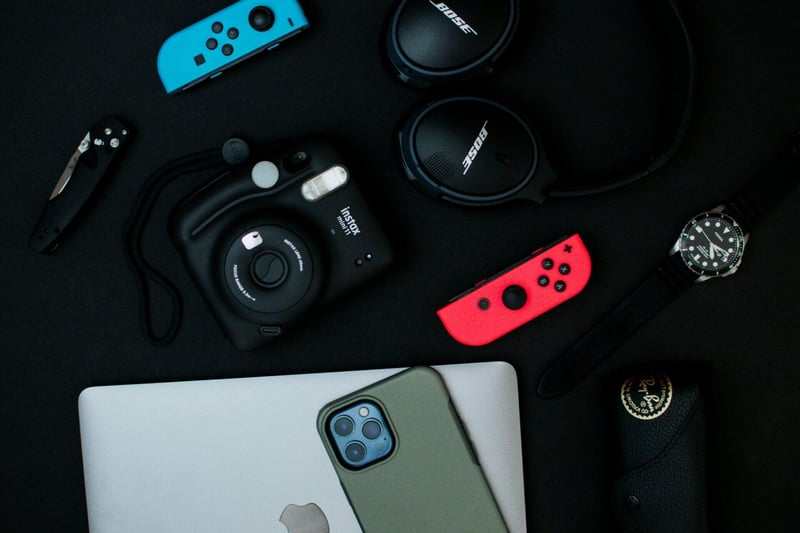
Every November, consumer electronics such as televisions, smartphones, air fryers and laptops dominate shopping carts nationwide. While securing a heavily discounted device feels like a financial win for stretched household budgets, ERA NPC CEO Ashley du Plooy warns that the true cost of an electronic purchase extends well beyond the till.
"Every gadget carries an environmental footprint formed by the resources, energy and raw materials required to manufacture it," says du Plooy. "When an older device is replaced and tossed into a domestic rubbish bin, valuable materials are lost forever, and hazardous components risk leaking into our soil and waterways."
Alongside improper disposal, household hoarding remains a widespread challenge across South Africa. Many consumers store broken phones, outdated laptops and unused kitchen appliances in drawers and cupboards with the intention of using them "one day". According to ERA NPC, these forgotten items quietly degrade while locking up finite raw materials that could otherwise be recovered and reintroduced into the manufacturing value chain.
Completing the Loop in an Era of Instant Delivery
With Cyber Monday driving high online delivery volumes, convenience has become central to modern retail. However, du Plooy notes that convenience should not end the moment a courier delivers a parcel to a shopper's doorstep.
"Online shoppers carry a responsibility to complete the loop by ensuring their replaced electronics are repaired, reused or channelled into formal recycling rather than left in storage," he explains. "There is an clear opportunity for online retailers and delivery partners to integrate take-back options directly into the delivery process, making returning an old device just as seamless as receiving a new one."
To make responsible disposal as natural as unboxing a new purchase, ERA NPC continues to expand its nationwide network of accessible e-waste collection bins, encouraging South Africans to view electronic waste not as rubbish, but as a valuable resource within the circular economy. Members of the public can easily locate their nearest drop-off point online at https://eranpc.co.za/for-the-public/find-an-ewaste-drop-off-location/.
Shared Accountability Across the Retail and Manufacturing Value Chain
Under South Africa's Extended Producer Responsibility (EPR) regulations, manufacturers and importers carry legal obligations for waste electrical and electronic equipment (WEEE).
"For EPR to succeed, producers must treat it as far more than a financial checkbox fee towards waste management," says du Plooy. "True producer responsibility begins at the design stage, prioritising durability, repairability, reuse and recyclability long before a product reaches the end of its life. At ERA, we view regulatory compliance as the starting point, not the finish line."
Retailers also play a critical role. Because they facilitate the sale of electronics at massive scale during November, ERA NPC believes take-back mechanisms should become a standard part of both in-store and online retail experiences. Several major retail partners already host ERA e-waste collection bins on their premises, demonstrating how practical collaboration between retailers, producers, collection partners and Producer Responsibility Organisations can make reverse logistics a nationwide reality.
Unlocking Local Green Economy Opportunities
While e-waste is frequently framed purely as an environmental crisis, it also presents a significant socio-economic opportunity for South Africa. Electronic devices contain precious metals and reusable components that can be recovered through urban mining and returned to productive industrial use.
"Strengthening the local infrastructure needed to collect, sort, dismantle and process these materials creates meaningful opportunities for local businesses, SMMEs and waste collectors," adds du Plooy. "Every device recovered through formal channels supports job creation, builds resilience in our green economy and keeps valuable resources circulating within South Africa."
A Dual Challenge for Black Friday
As Black Friday trading reaches its peak, ERA NPC is issuing a clear challenge to both industry and the public:
To South Africa's electronics retailers: . Partner with Producer Responsibility Organisations such as ERA NPC to make responsible e-waste collection and recycling more accessible to customers. By working together, retailers and industry partners can strengthen collection networks and ensure that replaced electronics are channelled into the formal recycling value chain.
To everyday deal-hunters: Enjoy the seasonal bargains while considering the full lifecycle of every purchase. Give old devices a second life through repair or reuse wherever possible and take end-of-life electronics to a recognised collection point.
"Only when we close the loop on our old technology can a Black Friday deal truly be considered a bargain," concludes du Plooy.
Release information
Issued on behalf of
ERA NPC
Media contact
Wonder Communications SA
Fazielah Williams