
Hull and Machinery Risk
How Good Vessel Management Helps Reduce Marine Risk
Commercial vessel operators today face a demanding operating environment of rising repair costs, ageing fleets, increasingly unpredictable weather and tighter regulatory requirements, all contributing to higher operating costs and more complex marine risks.
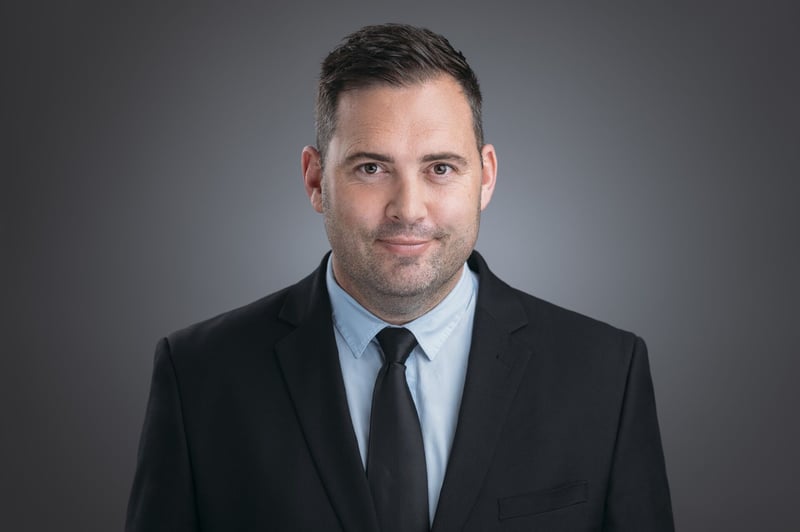
According to Philip Cronje, Business Unit Manager at Aon South Africa, these challenges are often amplified for South African operators. “Vessels operating along one of the world's busiest shipping routes frequently encounter harsh sea conditions around the Cape, while sourcing specialised replacement parts or securing dry dock availability can result in lengthy delays and expensive downtime.”
While many of these risks cannot be controlled, how well a vessel is maintained remains firmly within an owner's hands. Effective maintenance and technical management do far more than keep a vessel compliant. They improve reliability, reduce the likelihood of costly breakdowns and help protect both crew and cargo.
Maintenance Is More Than Scheduled Servicing
“Industry data continues to show that machinery failures and onboard fires remain among the leading causes of significant hull and machinery claims worldwide. These losses are often expensive, disruptive and, in many cases, preventable through disciplined maintenance and operational practices,” says Cronje.
Good vessel management isn't simply about completing a maintenance checklist before the next survey. It requires a proactive approach that ensures equipment is operating as intended every day. Regular inspections, planned maintenance, prompt repairs and accurate record-keeping all contribute to identifying small issues before they develop into major failures.
Attention should also extend beyond the engine room. Electrical systems, fire detection equipment, navigation systems, steering gear, pumps and cargo handling equipment all require ongoing monitoring and preventative maintenance.
The best maintenance programme relies on experienced people to execute it consistently. “Senior officers and engineers play a critical role in maintaining vessel standards, identifying emerging problems and ensuring maintenance schedules are completed correctly. Creating an environment where crew members feel confident reporting defects or potential safety concerns is equally important, as many major incidents begin as relatively minor maintenance issues that were overlooked, deferred or not communicated effectively,” says Cronje.
Investing in crew training, clear maintenance procedures and a strong safety culture help reduce these risks while improving operational reliability.
Small Problems Become Expensive Problems
Deferred maintenance is often viewed as a cost-saving measure during periods of financial pressure, but it is more likely to lead to higher costs later. “Minor defects can quickly escalate into machinery failures that require extensive repairs, extended off-hire periods and potentially significant insurance claims,” Cronje explains.
“For South African operators, replacement parts are often imported and repair facilities may not always be immediately available, which directly translates into a substantial financial impact during unplanned downtime. Preventative maintenance is almost always less expensive than emergency repairs,” Cronje adds.
Owners do not need complicated scorecards to improve maintenance performance. Simple measures can provide valuable insight, including:
- Completing planned maintenance on schedule.
- Tracking recurring equipment failures.
- Closing inspection findings promptly.
- Monitoring machinery condition.
- Reviewing safety observations and near-miss reports.
“Used consistently, these indicators help identify developing risks early and support continuous improvement across the fleet,” says Cronje.
Supporting Better Maintenance with Technology
Modern vessel monitoring systems, condition sensors and predictive maintenance software are making it easier to identify potential failures before they occur. These technologies provide operators with greater visibility into equipment performance and allow maintenance to be scheduled based on actual condition rather than fixed intervals.
Cronje notes that technology is only as effective as the people using it. “That is why it is so important for digital tools to support disciplined maintenance practices, not replace them.”
Insurance plays an important role in helping businesses recover after a loss, but effective risk management and optimised maintenance focus on preventing losses and reducing debilitating costs. “Well-maintained vessels are generally safer, more reliable and less likely to experience costly breakdowns that interrupt operations,” says Cronje.
As marine risks continue to evolve, organisations that invest in disciplined maintenance, skilled crews and strong technical management place themselves in a far better position to protect their assets, maintain operational resilience and support more favourable long-term insurance outcomes.
“Proactive risk management helps organisations make better decisions before losses occur,” Cronje concludes.
Ends…
Disclaimer
The contents hereof should not be construed as legal advice on any matter. You should not act or refrain from acting on the basis of any content included in this communication without seeking professional legal counsel. This communication does not constitute or create a lawyer-client relationship between us.
About Aon
Aon plc (NYSE: AON) exists to shape decisions for the better — to protect and enrich the lives of people around the world. Our colleagues provide our clients in over 120 countries and sovereignties with advice and solutions that give them the clarity and confidence to make better decisions to protect and grow their businesses.
Follow Aon on LinkedIn, Twitter, Facebook and Instagram. Stay up-to-date by visiting the Aon Newsroom and sign up for News Alerts here.
Media Contact:
Deidre Beylis
This email address is being protected from spambots. You need JavaScript enabled to view it.
+27 84 426 0410
Release information
Issued on behalf of
Aon SA
Media contact
Teresa Settas Communications
Thuli Sikhosana