
How Avocados Became A Cultural Symbol And What It Reveals About Consumer Trends
Written by: BizCommunity Editor Save to Instapaper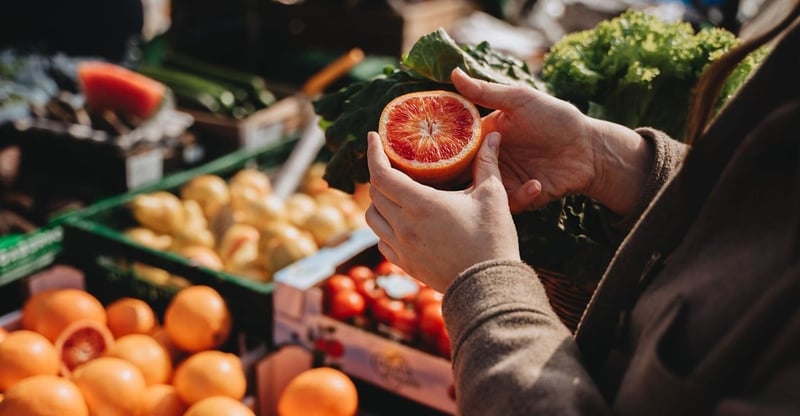
While Millennials helped drive demand for products associated with wellness and lifestyle trends, Gen Z is bringing a broader set of priorities to the table. For growers and food producers, understanding these changing consumer values could prove critical to remaining relevant in an increasingly competitive marketplace.
Lessons from the avocado boom
For those of us working in agriculture, this raises an important question: what can the changing values of consumers teach us about how we position fresh produce?
Few food products have undergone a transformation quite like avocados. Twenty years ago, they were a relatively ordinary fruit, but today they are a global food phenomenon and, for many, a symbol of the Millennial generation. Their success wasn't driven solely by taste or nutritional value. It was driven by culture.
Avocados became popular because of a combination of wellness trends, social media, brunch culture and aspirational lifestyles. Their versatility also played an important role, as they could be used in different meals and snacks throughout the day. They weren’t just a food product, they were a reflection of how a generation wanted to be seen in the world.
For those of us working in agriculture today, the avocado story offers an important lesson. The real lesson is not that every fruit should try to become the next avocado. It is that consumers increasingly choose products that align with their values, and those values are constantly evolving.
Understanding Gen Z
Millennials helped fuel the rise of wellness culture by embracing healthy eating, organic products and the idea that food could be both nutritious and fashionable. Social media amplified these trends as they posted beautiful photos of their ‘Instagram-worthy’ meals.
Gen Z shares many of those interests, but their priorities are broader. Health and wellness remain important, but growing up in a world shaped by climate concerns, economic uncertainty and constant digital connectivity has influenced how they think about consumption.
They are asking different questions: Where does this product come from? How was it produced? Is it worth the money? For food producers, these shifts matter and we need to understand them and how they impact the demand for a product.
Beyond nutrition
For decades, fresh produce marketing largely focused on product attributes. We told consumers that something was healthy, nutritious or high quality and assumed that would be enough. But it no longer is.
Consumers today are surrounded by choice, and nutritional benefits alone rarely differentiate a product because every fruit and vegetable can make some form of health claim. What sets products apart is their ability to connect with broader consumer values and lifestyles. This is particularly relevant for agricultural products that have historically struggled to attract younger consumers.
The grapefruit challenge
As grapefruit growers, we have experienced this challenge firsthand. For years, grapefruit has been associated with older generations, winter breakfasts, and cold-and-flu remedies. Yet many of the characteristics that resonate with younger consumers already exist within the category.
Grapefruit is versatile, affordable and nutrient-rich. It can be incorporated into everything from salads and smoothies to desserts and summer drinks. It also has a relatively long shelf life, which helps to reduce household food waste, an increasingly important consideration for environmentally conscious consumers.
At a time when younger consumers are becoming more mindful of the environmental impact of their purchasing decisions, these attributes matter. They are thinking about reducing waste, maximising the use of what they buy, and supporting food systems that are produced responsibly.
Changing the conversation
This creates an opportunity for categories that may not traditionally have been associated with younger consumers. The challenge is not to change the product, but to change the conversation around it.
We’ve already seen this shift in the way younger consumers engage with food online. Social media platforms and influencers are driving food discovery, recipe inspiration and purchasing decisions. Products that successfully show up in online conversations can quickly gain relevance among audiences that may previously have overlooked them.
Reaching younger consumers
For South African SummerStar Ruby grapefruit growers, this insight has shaped our own approach to marketing. Rather than focusing solely on the fruit itself, we have sought to position grapefruit within broader conversations around wellness, summer lifestyle and sustainability.
We launched the campaign in Europe last year, and we’re already seeing a shift in perception. During summer 2025, 67% of SummerStar Ruby's Instagram followers and 98% of its TikTok followers were between the ages of 18 and 34, suggesting that younger audiences are willing to engage with a category that has traditionally struggled to reach them.
The future of fresh produce marketing
Consumption growth won’t happen immediately and history shows that category transformation doesn’t happen overnight. Changing perceptions takes time, and marketing campaigns cannot manufacture cultural relevance in just one season. You need sustained rather than sporadic marketing efforts. I do, however, believe that the future of fresh produce marketing will belong to those who understand not only what consumers eat, but why they choose to eat it.
The avocado success story was never really about the fruit, but about a generation and the values it embraced. The same will be true for Gen Z. The food products that succeed in the coming years will not necessarily be the healthiest, the cheapest or even the most innovative.
They will be the products that best reflect the priorities, aspirations and values of a new generation of consumers.
For growers and food producers alike, that may be the most important lesson of all.
Get new press articles by email
We submit and automate press releases distribution for a range of clients. Our platform brings in automation to 5 social media platforms with engaging hashtags. Our new platform The Pulse, allows premium PR Agencies to have access to our newsletter subscribers.
Latest from
- City Lodge Hotels Guests Receive 15% Off Avis And 10% Off Budget Car Rentals
- Bridge Power Nuclear Launches Fuel Flexible Thermal To SMR Pathway With USP&E And BAM Energy
- KoBold Metals Africa CEO Mfikeyi Makayi To Speak On AI In Mining At AMW 2026
- Make Rentals Feel Homely With Removable Wallpaper and Dulux Colour Inspiration
- Norman Cook Fatboy Slim To Headline Two Anticipated South Africa Electronic Shows In 2026
- Transport Costs Drive CPI Surge As Fuel Inflation Hits 28.7 Percent
- TAT Dubai Director Highlights Youth Travel Trends Shaping Demand For Authentic Cultural Connections
- Retailers Face Rising Pressure As Consumer Confidence Stays Negative Amid Widespread Money Stress
- Retail Media Growth Outpaces Measurement Standards Across RMNs
- Comrades Marathon 2026 YouTube Broadcast Signals Shift Between Streaming And Television
- Tertiary Providers Reassess AI Strategies as Early Tools and Detection Software Fall Away
- Lappset Launches Prime Collection With New Modular Roofs Walls Balconies And Play Elements
- Summit Adds Experts on Quantum Computing, Sovereign AI and Future of Built Environments
- Frogfoot Rise Executive Highlights How Fibre Turns Township Homes into Hubs for Gamers and Creators
- CA&S Invests in TDMC to Strengthen Digital Commerce and Omnichannel Capabilities
The Pulse Latest Articles
- Pura And Soweto Cyclists Celebrate Youth Day 50 Years After The 1976 Uprising (15) (June 18, 2026)
- Magic: The Gathering Assembles The Marvel Super Heroes (June 17, 2026)
- Rethinking Performance: Part 4 Of 5 Why Judgement Matters In Performance Evaluation (June 15, 2026)
- How Should Water Feel? Inside The Innovation Shaping Modern Showering (June 15, 2026)
- Hisense Launches Soweto Football Pitch Project (June 12, 2026)