
Middle East Tensions Force FMCG Companies To Adapt Packaging As Supply Chains Shift Rapidly
Written by: BizCommunity Editor Save to Instapaper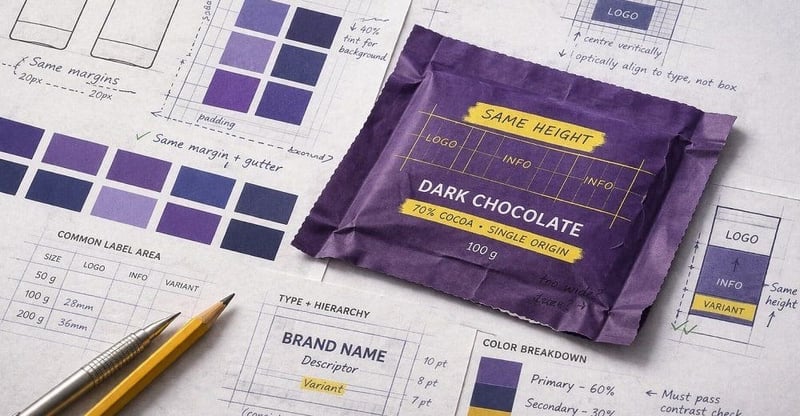
As tensions in the Middle East continue to affect key corridors like the Strait of Hormuz and the Red Sea, carriers are already rerouting and timelines are shifting.
For FMCG brands, this does not remain a macro issue for long. It translates into operational changes, and those changes almost always become packaging updates.
Because every adjustment a business makes, whether a new supplier, a different ingredient source, a shift in manufacturing location, or a change in pack size, ultimately needs to be reflected on pack. And it needs to be done quickly, accurately, and at scale. That is where pressure builds.
What that looks like in practice
When conditions tighten, packaging change accelerates. Manufacturer details shift as co-packers change. Ingredient panels and allergen statements are revised as sourcing moves. Origin declarations are updated.
Pack formats are resized to manage cost pressure. For alcohol brands, excise, ABV and market-specific compliance requirements may also need to flex. What appears operational upstream becomes highly executional downstream, often under compressed timelines and with very little margin for error.
Packaging is not the final step in FMCG. In volatile conditions, it becomes the control layer that keeps everything moving.
The difference is not speed. It is structure
The agencies that perform best in these moments are not simply reacting faster. They are working from systems that were built for change in the first place.
That means pre-structured artwork, modular compliance blocks, and master files that can flex across SKUs, markets and production variables, without introducing risk.
When change instructions arrive, and in these conditions they arrive constantly, the work moves cleanly to print. Without version confusion, rework, or delays.
Packaging as a strategic asset
A well-architected packaging system allows brands to absorb change without slowing down. It protects speed to shelf, maintains compliance, and preserves brand equity even as conditions shift.
This is where packaging moves beyond execution. It becomes infrastructure.
Just Design has worked with FMCG brands across all categories through multiple periods of supply chain disruption. That experience is operational as much as it is creative. It means understanding how design decisions impact production timelines, retailer requirements, and regulatory sign-off under pressure.
The role of a different kind of agency
Good agencies produce good creative. Great agencies understand the role design plays inside a business, often before the pressure arrives. That means staying close to global events, understanding how they translate into operational risk, and building systems that allow brands to respond without disruption.
The brands that come through periods like this the strongest, are not the ones reacting in the moment. They are the ones that prepared ahead of it.
Because when disruption hits, the real question is not how quickly you can respond, but whether you were set up to, in the first place.
Get new press articles by email
We submit and automate press releases distribution for a range of clients. Our platform brings in automation to 5 social media platforms with engaging hashtags. Our new platform The Pulse, allows premium PR Agencies to have access to our newsletter subscribers.
Latest from
- Google Partnership Advances Digital Skills And AI Integration In South African Higher Education
- Mobile Digital Library Initiative Expands Access To Education And Technology In Underserved Schools
- Investors Urged To Focus On Discipline And Strategy As Geopolitical Risks Drive Market Volatility
- Leafline Transforms Pineapple Waste Into Sustainable Sanitary Products Empowering Local Communities
- Truck Driver Turned Storyteller Preserves Namibian History Through Voices Of Local Communities
- Phetheni Nkuna Takes On COO Role At CDH To Drive Strategy And Operations Across Africa
- South African Businesses Poised To Lead AI Deployment Success By Closing The Execution Gap
- FlySafair Adds Extra Johannesburg To Harare Flights To Meet Peak Easter Travel Demand
- Generative AI Disrupts Agency Models As CMOs Rethink Creativity And Speed In Modern Marketing
- TFG Expands Flexible Payment Options With Interest Free Instalments Across More Than 20 Brands
- Stiles Unveils National Campaign Highlighting Integrated Design For Modern Living Spaces
- The Belly Restaurant Group Announces Expansion With Three New Boutique Dining Destinations In 2026
- Why Procurement Models Are Failing To Capture The True Value Of Public Relations Services
- Digital Advertising Growth Surges In South Africa As Internet And Social Media Usage Expands
- Africa’s Bunkering Sector Gains Momentum As Carriers Avoid Key Middle East Trade Routes
The Pulse Latest Articles
- Procurement Can Buy Pr. It Cannot Buy Judgement. (March 25, 2026)
- Cape Town Fintech Happy Pay Raises $5m To Reinvent Bnpl In South Africa (March 23, 2026)
- Why Hr Dashboards Are Now A Compliance Imperative — Not A “nice To Have” (March 20, 2026)
- The Truck Driver Who Turns Overnight Stops Into A Living Archive Of Namibia (March 18, 2026)
- “hisense Celebrates 30 Years In Sa, Highlighting Local Manufacturing At Buy Local Summit & Expo (March 18, 2026)