
Majority Of South African Employees Diagnosed With Mental Health Condition Employers Urged To Share Responsibi
Written by: BizCommunity Editor Save to Instapaper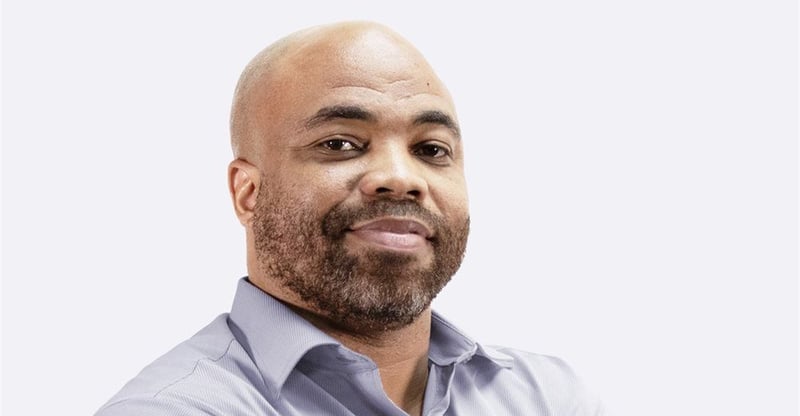
Supplied image: Dr Themba Hadebe, clinical executive at Bonitas Medical Fund
The numbers paint a concerning picture. More than half of South African employees (52%) have been diagnosed with a mental health condition, while unmanaged mental health challenges are estimated to cost the economy around R161 billion annually through absenteeism, presenteeism and reduced productivity.
But workplace wellness is no longer just an employee issue or an employer issue. It's both.
According to Dr Themba Hadebe, clinical executive at Bonitas Medical Fund, creating a healthier workplace requires a shared commitment between organisations and the people they employ.
"Workplace wellness is most effective when it is viewed as a partnership," he says. "Employers need to create environments that support well-being, while employees need to actively engage with the tools, resources and support available to them.”
So what does that look like in practice?
1. Prevention should come before treatment
Too often, people only focus on their health when something goes wrong.
Whether it's a routine health screening, seeking support for stress or making small lifestyle changes, early intervention can help prevent more serious health challenges down the line.
At the same time, employers can support prevention by providing access to wellness programmes, health assessments and educational resources that encourage employees to take charge of their well-being.
2. Mental health needs to be taken seriously
Mental health affects every aspect of a person's life, including how they perform at work, interact with colleagues and manage daily challenges.
Employees should feel empowered to seek help when they are struggling, while organisations need to create workplace cultures where conversations about mental well-being are normalised rather than stigmatised.
Creating psychologically safe environments benefits everyone, improving both individual well-being and organisational performance.
3. Financial wellness matters too
For many South Africans, financial stress is one of the biggest contributors to poor mental health.
Managing debt, budgeting effectively and planning for the future can help employees reduce anxiety and gain a greater sense of control.
Employers also have a role to play by providing access to financial education, support programmes and resources that help employees make informed financial decisions.
4. Small daily habits make a big difference
Wellness isn't built through one-off campaigns or annual awareness days. It's shaped by everyday habits.
Getting enough sleep, staying active, eating well and taking time to manage stress can significantly improve both physical and mental well-being.
Employers can support these behaviours by creating workplace environments that encourage healthier choices and recognise the importance of work-life balance.
5. Wellness starts with workplace culture
Even the best wellness programme will struggle to make an impact if employees don't feel supported.
A culture of well-being is created through open communication, supportive leadership, manageable workloads and an environment where people feel valued.
Employees, meanwhile, play an important role by speaking up when they need support and actively participating in wellness initiatives available to them.
The conversation around workplace wellness is becoming even more important as the world of work continues to evolve. The rapid rise of artificial intelligence and ongoing economic pressures are creating new uncertainties, with many employees concerned about how technological change could affect their future careers.
In response, organisations are increasingly investing in skills development, learning opportunities and employee support programmes to help people adapt with confidence.
Ultimately, workplace wellness is not something that can be achieved by employers or employees acting alone.
"When people feel healthier, more supported and more resilient, everyone benefits," says Hadebe. "Employees are better equipped to manage life's challenges, organisations are more productive and engaged, and workplaces become environments where people can truly thrive."
The future of workplace wellness lies in recognising that well-being is a shared responsibility, and that creating healthier workplaces starts with everyone playing their part.
Get new press articles by email
We submit and automate press releases distribution for a range of clients. Our platform brings in automation to 5 social media platforms with engaging hashtags. Our new platform The Pulse, allows premium PR Agencies to have access to our newsletter subscribers.
Latest from
- Kaspersky Identifies Over 90 Fake Download Sites Distributing ScreenConnect and AsyncRAT
- From Motivation To Market How South Africa Can Turn Youth Entrepreneurship Into Sustainable Businesses
- Nissan Appoints Wheeler Following Diverse Finance Career Across Automotive Industry
- Mentorship Equals Funding in Importance for Youth Entrepreneurship Says Fuchs
- Virtualisation Transforms BMS Delivering Cloud‑Ready Resilience And Scalability
- Gideon Khobane Appointed Managing Director Rest Of Africa At Publicis Groupe Africa
- Afrirent Holdings Launches Major Recruitment Drive After Securing 60‑Month National Fleet Contract
- Propelair Expands Contour Range With Contour Zero And Contour Pulse Urinals
- Oil War and the Cost of Living What Middle East Tensions Mean for Eastern and Southern Africa
- IGrow Team Sponsors Hole at Seed Scholarship Golf Day and Donates Fourball Winnings
- Nominations Open For 1659 Awards Recognising Visionary Leadership And Industry Innovation
- World Cup Drives 17.2 Billion TikTok Views Surge in One Week
- Draft ToR Flags Competition Concerns in South Africa’s Franchising Sector
- Pick n Pay Launches Penny AI Assistant on asap! Using Google Gemini
- The Business Show Africa and Access to Finance Live Return to Sandton Convention Centre in September 2026
The Pulse Latest Articles
- Bundox Moves Beyond Safari Packages With “experience Our Wild Africa” (July 3, 2026)
- Tutor Doctor South Africa Celebrates Double Award Wins (June 30, 2026)
- Rethinking Performance: Part 5 Aligning Judgement In Performance Evaluation (June 30, 2026)
- Axor: Redefining The Architecture Of Luxury Living (June 29, 2026)
- The Real Ai: How African Ingenuity Drives Growth And Distinguishes The Continent’s Logistics Sector (June 25, 2026)