
Q&a With Export Manager Julia Joubert
Written by: WineLand Media Editor Save to Instapaper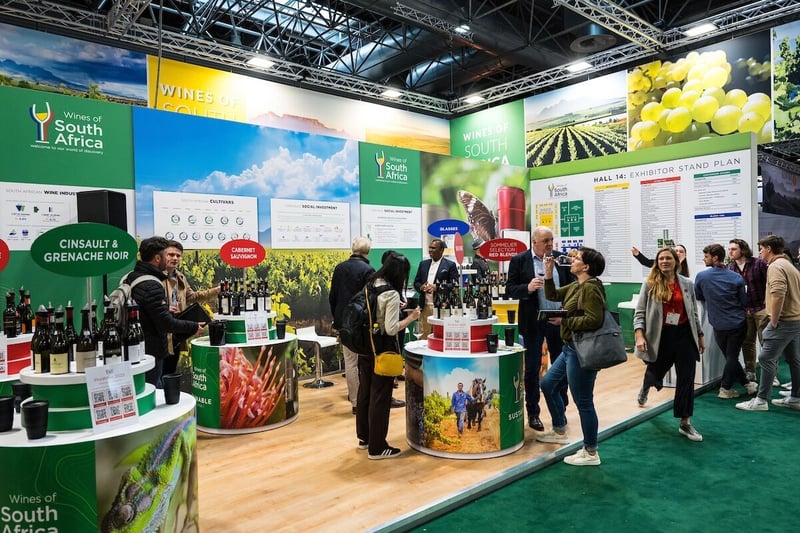
As daughter of esteemed winemaker Meyer Joubert from Joubert Tradauw. Julia Joubert has deep roots in the wine industry. This background helped shape her aspirations to become an ambassador for South African wine. As export manager at Robinson & Sinclair, she represents 25 clients in multiple markets including Benelux, Scandinavia, and Switzerland.
Julia Joubert attending ProWein in Düsseldorf earlier this year.
How important are premiumisation and storytelling in today’s wine industry?
The global wine industry is transforming – people are drinking less but opting for better-quality wines. Today’s consumers, particularly Gen Z, have more disposable income than previous generations but are also more discerning. They invest in brands that offer more than just a product; they seek authenticity, storytelling, and a genuine connection with the people behind the label. Wine is no longer just about taste – it’s about the experience, the journey, and the values it represents.
Storytelling is now a crucial tool for engaging modern consumers. It comes to life through compelling visuals, interactive content, and meaningful conversations. To stay relevant and retain market share, the wine industry must embrace innovation, refine its messaging, and adopt a bold, confident approach.
How can the local wine industry connect with Gen Z?
Gen Z is redefining the wine industry with their demand for transparency, engagement, and inclusivity. They don’t just purchase a wine; they buy into its story and ethos. The rise of wine education courses reflects their curiosity and eagerness to share knowledge. To captivate this audience, the industry must break down barriers and make wine approachable and enjoyable.
A strong social presence is essential. Attach your brand to a face – your face. Build a personal connection with consumers, keeping them excited for the next release, the next big thing. The traditional, often intimidating aura of the wine world must evolve. Heritage and terroir remain vital but should enhance rather than overshadow an inviting and engaging brand identity.
Why should the world care about South African wine?
South African wine has a powerful narrative waiting to be told. What makes your wine different from your neighbour’s? What sets South Africa apart on the global stage? Be loud, be confident, and own your uniqueness.
With global wine consumption declining, being ordinary is no longer an option. If you want your wine to stand out on a restaurant’s list or an importer’s portfolio, articulate why it deserves a place. Highlight what makes your winery exceptional – innovative cellar techniques, cutting-edge sustainability efforts, or a pioneering approach to organic and regenerative viticulture. Don’t just sell a bottle; sell a movement.
Hartenberg was the first winery in South Africa to receive Land to Market registration – only the second in the world – for its regenerative farming practices. Strandveld stands as the southernmost winery in Africa. Kanonkop was recently listed on La Place de Bordeaux, while McGregor’s “Delicious Monster” has been the only SKU listed for eight consecutive years at the US retail Trader Joe’s. Cape Point Vineyards’ Hannes Meyer crafts world-class Sauvignon Blanc using innovative techniques like amphora pots.
Is your story about calcrete soils? Or about Joubert-Tradauw’s extreme climate, one of the world’s few continental pockets with dramatic diurnal temperature swings? Perhaps it’s Mooiplaas, a WWF Conservation Champion. Or Vinoneers’ Orpheus & The Raven, which recently placed as runner-up in the Drinks Business Awards for Best Design & Packaging for Wine. Maybe you have the oldest sweet wine in South Africa – Muscat d’Alexandrie from 1800. Whatever your story is, tell it boldly.
What is the role of sustainability in marketing our wines?
Sustainability is central to modern wine production, and South Africa is leading the charge. While some critics argue that shipping wine from South Africa has a high carbon footprint, we must challenge this perception. Consider the environmental impact of European truck transport, which contributes more CO2 than ocean shipping.
The discussion around wine and health is also evolving. While some claim that wine is harmful, moderation is key. Wine has been an integral part of human history since biblical times, fostering connection and creating lasting memories. It’s time to shift the conversation toward responsible enjoyment, cultural heritage, and the potential health benefits of wine when consumed mindfully.
What does the future of wine look like, and how do we shape it?
The future of wine lies in boldness and innovation. The industry must move beyond outdated traditions that alienate new generations. Embrace digital storytelling, highlight sustainability, and make wine engaging rather than intimidating. Give people a reason to choose your wine over another – whether it’s your unique terroir, your commitment to regenerative farming, or your personal journey in winemaking.
The wine industry is at a crossroads. Those who adapt, communicate fearlessly, and connect with their audience on a deeper level will thrive. Be bold. Be proud. Tell your story.
And most importantly – make wine fun and inclusive!
Get new press articles by email
We submit and automate press releases distribution for a range of clients. Our platform brings in automation to 5 social media platforms with engaging hashtags. Our new platform The Pulse, allows premium PR Agencies to have access to our newsletter subscribers.
Latest from
- 7 Business Trends Your SME Can Leverage In 2026
- Sadilar Amplifies Visibility And Impact During Conference Season
- Future-ready Logistics- 5 Shifts TO Watch In 2026 (SUB-saharan Africa)
- Dunlop Urges Motorists To Prioritise Tyre Safety On The Busy Joburg To Cape Town Festive Route
- Poverty Trends Report Shows National Progress But Flags Growing Challenges In Gauteng
- SDG Challenge SA 2025 Highlights The Power Of Youth Innovation In Shaping A Sustainable Future
- Experienced Industry Leader Pauli Van Dyk Named Dean Of AFDA’s Upcoming Hatfield Campus
- South Africans Keep Tourism Alive As Homegrown Travel And Local Spending Rise
- Pretoria Student Wins Global Excel Esports Competition
- AfDB Steps Up Support For Somalia With $76m Investment In Roads And Regional Integration
- Corporate Law Experts Warn Directors Of Serious Consequences For Improper Transaction Approval
- New 3% Inflation Target Begins To Shift Expectations In South African Economy
- Retail As A Development Catalyst Drives New Africa Developments’ Inclusive Growth Strategy
- Collaborative SEF Model Shows How Civil Society And State Can Rebuild Economic Trust
- Shumani Accelerates Industrial Growth With Bheka Forklifts And New Equipment Plans For 2026
The Pulse Latest Articles
- Education Is The Frontline Of Inequality, Business Must Show Up (December 11, 2025)
- When The Purple Profile Pictures Fade, The Real Work Begins (December 11, 2025)
- Dear Santa, Please Skip The Socks This Year (December 10, 2025)
- Brandtech+ Has 100 Global Creative Roles For South African Talent (December 9, 2025)
- The Woman Behind Bertie: Michelle’s Journey To Cape Town’s Beloved Mobile Café (December 9, 2025)