
The Brave Group CEO Musa Kalenga urges brands to hire AI influencers for safer, owned digital influence
In the attention economy, influence is currency. For years, brands have eagerly outsourced their hard-earned equity to celebrities and social media creators, banking on the promise of borrowed authenticity.
But as any chief marketing officer will tell you, renting a human being's audience comes with a fundamental, inescapable flaw: human unpredictability.
The fall out
We have all seen the fallout when local influencers promote questionable schemes wrapped as golden opportunities.
Behind glossy social media reels, audiences often discover predatory practices or unethical affiliations. For the brands that casually associate with these creators, the reputational blowback is swift and merciless.
This extends to broader social instability. In times of national crisis, prominent social media figures have weaponised their platforms to amplify unrest, turning digital influence into real-world chaos.
On a purely commercial level, marketers frequently deal with creators who fail to disclose paid partnerships, misleading their audiences and drawing the ire of advertising watchdogs.
The rise and rise of fake influencers
Whether it is a failure of basic disclosure, a catastrophic misreading of the room, or an association with illicit activities, the conclusion is the same. Influence without rigorous brand governance is reckless.
Consider the saga of "Dr" Matthew Lani, the TikTok creator who amassed nearly 300,000 followers dispensing medical advice and filming inside Johannesburg's Helen Joseph Hospital.
The TikTok star was accused of fraud, and his credentials, which included a claimed Wits medical degree and even a matric certificate, quickly unravelled under scrutiny.
Lani’s lawyer ultimately argued the persona was merely "entertainment" after criminal charges were dropped. But the incident exposed how easily fabricated authority can gain traction online, prompting warnings from the South African Medical Association about the erosion of public trust. What is the alternative?
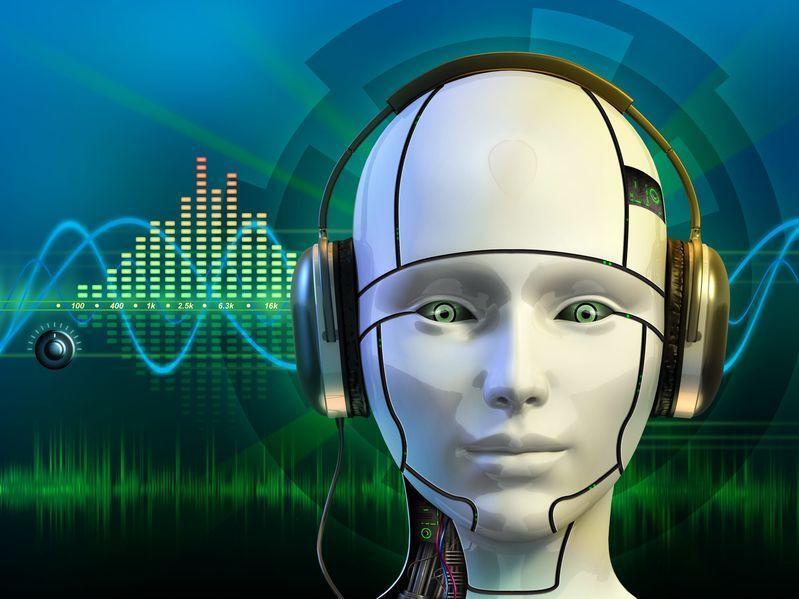
It is time for brands to take ownership of their digital assets. It is time to hire an AI influencer.
How AI is challenging traditional agency billing models and defining value
Musa Kalenga 26 Aug 2026The case for the virtual creator
The most obvious advantage of an AI influencer is brand safety. A virtual creator does not get intoxicated and tweet offensive remarks at 2 am.
They don't demand private jets, breach exclusivity clauses, or accidentally promote unethical schemes. They are infinitely scalable, entirely predictable, and 100% owned by the brand.
But the argument for AI influencers extends far beyond risk mitigation; it is about resonance and reliability.
Gen Z consumers, who are the first true digital natives, do not demand biological reality from their entertainment. They demand narrative authenticity.
They spend their money on virtual apparel and digital avatars. To them, a virtual persona with a compelling story is just as relatable as a human influencer meticulously curating a fabricated lifestyle.
The numbers support this pivot. Industry benchmarks and data from influencer tracking platforms consistently show that virtual influencers generate engagement rates significantly higher than their human counterparts.
These digital avatars command followings in the 10s of millions and drive massive, measurable return on investment for major retail brands.
They are not just public relations stunts. They are highly efficient, revenue-generating marketing channels.
At The Brave Group, we believe that AI is the great creative equaliser. As traditional marketing effectiveness fractures and the cost of acquiring attention skyrockets, deploying an AI influencer offers a distinct competitive advantage.
You are no longer renting space on someone else's feed. You are building owned media.
A 5-point guide to launching an AI Influencer
If you are launching a youth-focused product, such as a limited-edition sneaker drop, a fashion label, or a new bank account, a virtual influencer could be your most potent weapon.
Here is how to build one that actually works.
- Define the Persona's "Purpose," not just their aesthetic
An AI influencer cannot simply be a digital mannequin. Gen Z values purpose. What does your virtual creator care about? If you are launching a sustainable sneaker, perhaps your AI influencer is a passionate advocate for upcycling and street culture.
Their worldview must align seamlessly with your brand's core values, giving them a reason to exist beyond selling products.
- Engineer flaws to build relatability
Perfection is boring, and it immediately triggers highly attuned corporate radars. Give your virtual influencer quirks, struggles, and a distinct tone of voice.
Perhaps they are terrible at dancing but love trying viral social media trends, or they get anxious about their carbon footprint. Relatability is born from vulnerability, even if that vulnerability is generated by an algorithm.
- Embrace radical transparency
Do not try to trick the internet. The uncanny valley is a dangerous place to play, and digital deception will destroy your brand's credibility.
Declare loudly and proudly that your influencer is powered by AI. Young consumers appreciate the art and technology behind virtual creation. Make the behind-the-scenes of how the AI is rendered and programmed part of the ongoing content strategy.
- Co-Create the narrative with your audience
The beauty of an AI influencer is agility. Use agentic AI and natural language processing to allow the influencer to respond to audience trends in real time.
Let the audience vote on what the influencer should wear to a virtual event, what their next career move should be, or what colour the next sneaker drop should feature. Turn passive consumption into active, gamified participation.
- Integrate across the entire customer journey
A human influencer's job ends when the sponsored post goes live. An AI influencer's job is just beginning. Integrate your virtual persona into your brand's wider ecosystem.
Let them serve as a hyper-personalised virtual stylist in your e-commerce app, or as conversational AI helping users open a new bank account on messaging platforms. They are not just an advertising face. They are a continuous, scalable customer experience.
The future of owned influence
The marketing industry inherited an industrial-era mindset about talent: find people, put them in a bucket, and extract value until they burn out.
We are currently applying that same flawed model to the creator economy, to the detriment of both the influencers and the brands.
We need a new code of leadership in marketing. Hiring an AI influencer does not mean we stop working with human creatives.
Rather, it means we stop forcing humans to act like flawless corporate billboards, and we stop exposing our brands to the inevitable fallout when they fail to do so.
It is time to stop renting unpredictability and start building reliable, owned influence.