
Mpox cases rise across South Africa, with 22 confirmed including new Cape Town case
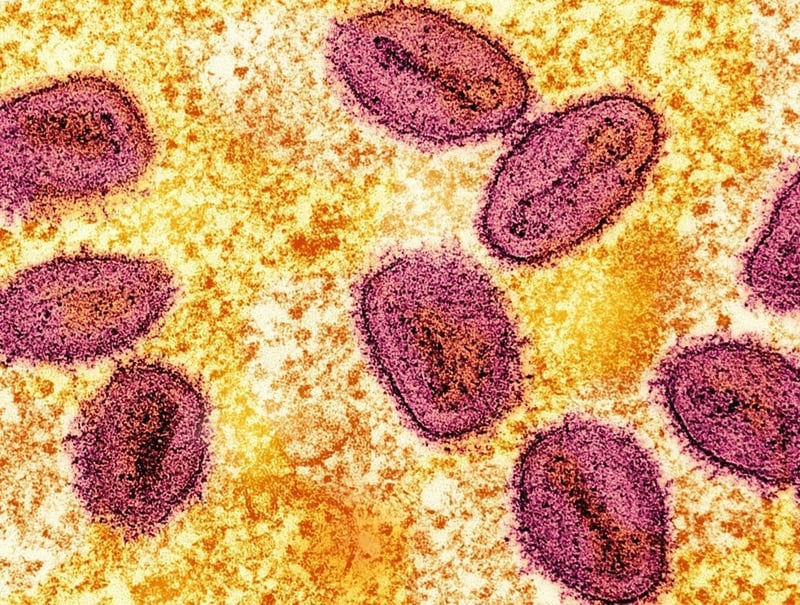
According to the department, one of the new cases is a male from Cape Town who travelled to Spain.
“This individual was previously classified as a probable case pending laboratory results from Spanish health authorities. Following confirmation of a positive test, the case has been reclassified as laboratory-confirmed and included in the updated count.
“The other three cases include two imported infections involving a German and a Norwegian citizen. Of these 22 confirmed cases, 18 are in the Western Cape, three in Gauteng, and one in KwaZulu-Natal. All patients are male except one,” the department stated.
The DoH, together with the National Institute for Communicable Diseases (NICD), the World Health Organisation (WHO) and others, is supporting health authorities in the Western Cape to implement “response measures, including contact tracing and enhanced surveillance”.
“The public is reminded that Mpox symptoms may include fever, headache, muscle aches, back pain, fatigue, and a rash or skin lesions that can appear on the face, hands, feet, genitals, or other areas of the body.
“Anyone who has been in close contact with a confirmed case within the past 21 days and develops symptoms should seek medical attention promptly and inform healthcare providers of their exposure history.
“While most cases remain concentrated in the Western Cape, the identification of transmission clusters and cases across multiple provinces highlights the need for sustained public cooperation, early detection, and continued surveillance to prevent further spread,” the department said.
Last week, the DoH urged vigilance for Mpox symptoms after a rapid increase in laboratory-confirmed Mpox cases in recent weeks.