
RMI Urges Local Capacity Building as US Signals AGOA Withdrawal for South Africa in 2027
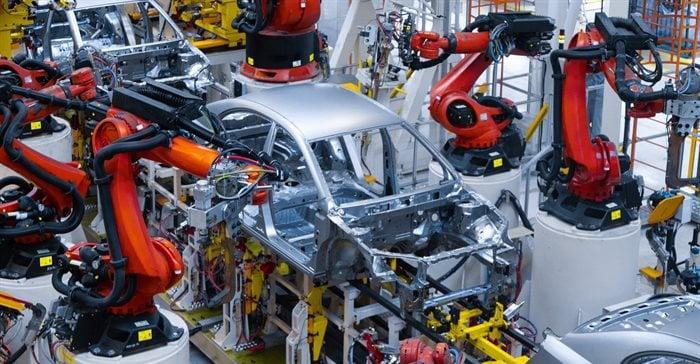
The US government has indicated its intention to withdraw South Africa's AGOA eligibility from 1 January 2027. The RMI says the development adds pressure to an automotive industry already facing higher trade barriers and global competition.
The organisation argues that South Africa should focus on building local capacity across the full vehicle lifecycle, including component manufacturing, remanufacturing, commercial vehicle bodies, trailers, maintenance and repairs.
The call comes amid a gap between the country's automotive localisation targets and actual performance. According to the National Association of Automotive Component and Allied Manufacturers (Naacam), local content in the automotive sector stood at 39% in 2025, against a South African Automotive Masterplan 2035 target of 48.2%.
Remanufacturing and local component production
RMI acting chief executive Henk Ferreira said South Africa should build on existing manufacturing expertise rather than focus exclusively on establishing new production operations.
He identified remanufacturing as an opportunity to retain more economic value locally. Commercial vehicle components such as engines, turbochargers, cylinder heads, fuel injection systems and braking components can be rebuilt, extending their working lives while supporting local machining and specialist technical skills.
The RMI's Automotive Remanufacturers' Association represents businesses involved in component remanufacturing and diesel fuel injection services.
There is also scope to expand local production of truck bodies, trailers and specialised vehicles. Members of the South African Vehicle and Bodybuilders' Association already manufacture products including tankers, refrigerated bodies, tippers, bus bodies and emergency service vehicles.
The RMI is also pointing to opportunities in shared automotive components used across different vehicle brands. A study by the Localisation Support Fund and EY estimated that South Africa's automotive aftermarket was worth approximately R106bn in 2025, identifying batteries, automotive glass and brake friction products as potential areas for localisation.
Commercial vehicle sector offers opportunities
South Africa sold 25,139 medium, heavy and extra-heavy trucks and buses in the first nine months of 2026, an 8.5% increase compared with the same period in 2025, according to Naamsa data.
However, the RMI says the spread of sales across different manufacturers and vehicle platforms makes local production of major components such as engines, drivelines and cabs difficult to justify on volume alone.
It believes a more practical approach would be to develop areas where local expertise and infrastructure already exist.
Skills remain a constraint
The organisation says skills shortages could limit efforts to expand local manufacturing. RMI data indicates that the number of qualified artisans in key trades, including machinists, declined by as much as 8.3% between 2019 and 2023.
Industry initiatives include a new Automotive Machinist Occupational Trade Qualification, developed with RMI Training and industry partners, and a pilot programme at Golden Arrow's Western Cape facilities.
The RMI also supported more than 1,500 learners through its merSETA-funded short skills programme in 2025.
Ferreira said government and industry would need to work together to expand apprenticeship placements, trade-testing facilities and technical training.
The RMI is calling for commercial vehicles to be included in the automotive policy review, alongside greater recognition of remanufacturing, support for local body and trailer manufacturers, and procurement policies that consider repairability, durability and local economic contribution.