
McDonald's ends 32-year FIFA World Cup sponsorship after campaign underperformed expectations
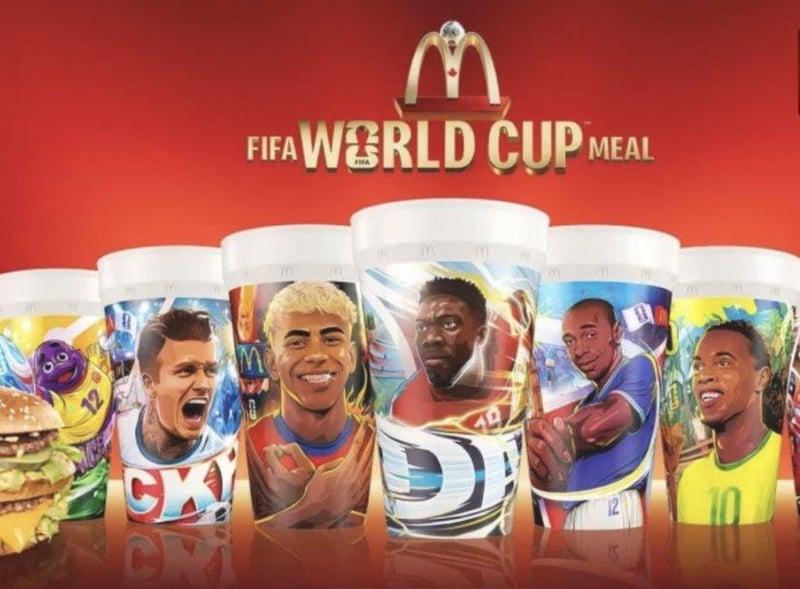
The sponsorship agreement, which dates back to the 1994 Fifa World Cup, expires at the end of this year.
While the World Cup campaign “provided a lift to the business and generated excellent system excitement, it underperformed versus our expectations,” said McDonald’s chief financial officer Ian Borden.
He also said that McDonald’s has to be “really careful about how many borrowed equities” it puts on the calendar.
“In many cases, a borrowed equity would be whether you’re doing something with World Cup or you’re doing something with Minecraft or Grinch. There’s certainly a role for those, you’re not going to promo your way to long-term value creation,” he said.
He adds, “You’re always going to be having to comp over that. The more fundamental way that you drive long-term value creation is through baseline growth; it’s through reminding people and showing people the experience that we offer, the food, the taste and quality that we offer.”
This year was the brand’s biggest World Cup campaign and its largest marketing push of 2026.
The campaign, created by Wieden+Kennedy New York, spanned more than 110 countries, and featured limited-edition meals, collectable merchandise and football personalities including David Beckham, Ronaldinho, Thierry Henry and Lamine Yamal.
Marketing model overhaul
According to the company, McDonald’s is not stepping away from sports, football, or fandom; this is a forward-looking evolution in how it will invest in global partnerships and a step toward a new marketing model.
The brand is looking at an overhaul to its marketing model as well, reassessing its approach to major sports sponsorships and entertainment partnerships.
The move is part of a shift toward the brand’s own brand properties and Intellectual property (IP) as well as creator collaborations and marketing initiatives designed to strengthen customer engagement.
It is reassessing its approach to major sports sponsorships and entertainment partnerships, placing greater emphasis on owned brand assets, creator collaborations and marketing initiatives designed to strengthen customer engagement.
That said it has said that it will be continuing to invest in sports marketing through other partnerships.
McDonald’s exit raises questions about the returns such partnerships deliver, particularly when large marketing investments do not translate into the expected business impact.
Recent controversies involving the Fifa football governing body did not play a part in its decision, says the fast food brand.