
Study Highlights Growing Millennial Demand For Creative Tourism Experiences In South Africa
Written by: BizCommunity Editor Save to Instapaper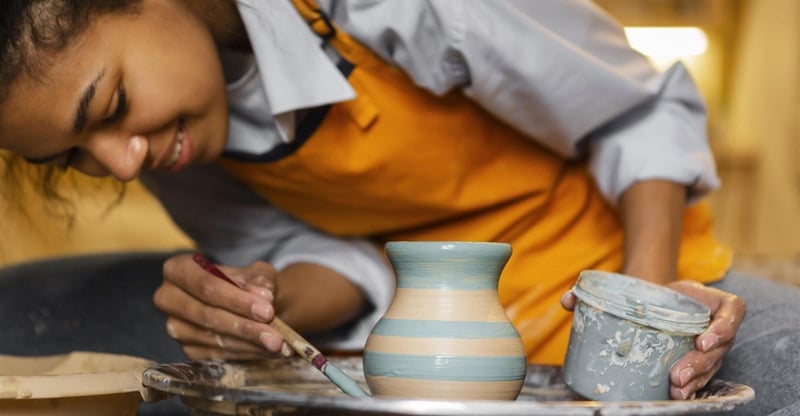
Why are South African millennials so interested in creative tourism?
Millennials who have a good income that enables them to travel value a work/life balance. They are highly mobile and hyper-connected to visual and creative social media platforms like Instagram. They enjoy travelling and are inclined towards creative experiences. This form of tourism connects them to the places and people they encounter.
Tourists are increasingly taking part in creative skill building experiences that are immersive and usually co-created. For example, tourists could participate in cooking classes in traditional African cuisine in townships like Soweto and Langa. Or they could attend painting workshops in small towns like Villiersdorp in the Western Cape.
In South Africa, millennials are a unique group. They did not grow up entirely under apartheid, a system of racial discrimination and exclusion set in place by a white minority government between 1948 and 1994. So they have much higher levels of mobility compared to previous generations of young Black people who were restricted in their movement by the apartheid government.
We surveyed 1,530 people whose average age was 29 years old. Most of the respondents were Black Africans (66.5%), and almost an equal number of males (48.8%) and females (51.2%).
Our research found that the millennials were more keen on domestic creative tourism than international creative tourism. They were motivated by the possibility of authentic and creative experiences that build skills.
We also found that women were generally more interested than men in creative activities linked to culture and heritage. Domestic travel was more closely tied to learning. International trips were driven by the desire to escape everyday life. This suggests that domestic tourism is especially well suited to creative tourism.
How can creative tourism in South Africa become more culturally relevant?
South Africa is one of the world’s most culturally diverse countries. Thus, there are opportunities to learn about cultures through, for example, indigenous arts and crafts. This might include taking traditional beer brewing and literary courses. Aspiring writers can take part in African writing courses. They could learn about culture and history in a relaxing atmosphere, while developing their own writing skills.
Cooking classes can teach tourists about the history of cuisines of different regions of Africa. Taking part in African jazz improvisation or African drumming workshops can be an immersive experience that is intellectually stimulating, culturally relevant and relaxing.
How can creative tourism create jobs in low income or remote communities?
Remote and rural areas are rich in cultural heritage, but have low incomes and ageing populations. There is a great deal of outmigration as people leave for towns and cities. Developing creative tourism could slow this by creating economic opportunties. At the same time, it would boost a sense of social cohesion, where groups in a society feel connected and share a sense of solidarity and belonging.
Creative tourism also enables local communities to value and use their own cultural and creative resources. It would be enhanced by the emotional connection that a host has with their home, neighbourhood, or a natural area.
Basic forms of information and communication technologies are now widely available. Tourism entrepreneurs who previously struggled to advertise on online tourist platforms can now market themselves directly.
Globally, peer-to-peer tourism platforms that connect travellers to local service providers via the internet have been set up in countries like the United States. Some examples are Tours by Locals and People First Tourism, which have created affordable (or in some cases free) market places for tourism entrepreneurs.
Creative tourism entrepreneurs can also develop their own social media pages to connect directly with tourists.
What needs to happen next?
On the one hand, both domestic and international tourists in South Africa enjoy traditional forms of tourism like sight-seeing, viewing wild animals and relaxing on the beach. On the other hand, our investigation has demonstrated that creative tourists value self-development, skill acquisition and learning through accessible and appealing experiences, even when on holiday.
While there is a demand for creative tourism experiences, there also needs to be adequate supply. This requires different organisations and tiers of government to work together to develop the creative tourism experience. This will need support and policies that promote greater collaboration between all organisations and government departments involved in tourism.
Creative tourism also needs to be marketed. The Department of Tourism and South African Tourism should continue to expand their support of creative tourism enterprises.
A key issue for tourism entrepreneurs is still problems in accessing the tourist market. They may lack knowledge of how to run tourism businesses. The tourism industry at large should invest more concretely in the development of small and medium tourism enterprises. Assisting these small ventures with marketing could support creative tourism ventures, especially among impoverished and marginalised communities in townships.
This article is republished from The Conversation under a Creative Commons license. Read the original article.
Get new press articles by email
We submit and automate press releases distribution for a range of clients. Our platform brings in automation to 5 social media platforms with engaging hashtags. Our new platform The Pulse, allows premium PR Agencies to have access to our newsletter subscribers.
Latest from
- Over 2 Million South Africans Await Housing As Demand Pressures Government
- Africa Global Logistics Drives ESG Impact Across Energy And Supply Chains In Africa
- Kaspersky Study Finds Digital Anxiety Raising Cybersecurity Risks In Modern Workplaces
- Cape Town Launches Prestwich Precinct With 310 Homes Including Affordable Housing
- Family Friendly Wine Farms Reshape Weekend Tourism In The Cape Winelands
- New Travel Impact Index Helps Businesses Measure Value Beyond Cost In Corporate Travel
- Jazz In The City Brings Music To Galleries Bars And Public Spaces In Cape Town
- DBSA And Shoprite Foundation Expand Digital Learning With New Robotics Lab Initiative
- Vukile And Castellana Acquire €350m Splau Shopping Centre To Strengthen Spain Portfolio
- Toughees Launches National School Competition Celebrating Spirit Unity And Creative Expression
- South Africa Considers 20% Online Gambling Tax As Industry Growth Sparks Concern
- Roar Awards 2026 Spotlight Africa’s Exhibition Industry As Driver Of Trade And Growth
- Showmax Phases Out Subscriptions As MultiChoice Consolidates Streaming Into DStv Stream
- Ecopreneurship Initiative Drives Sustainable Jobs And Community Upliftment In South Africa
- Brand Gauge Gains Momentum As BMi Research Enhances Brand Performance Measurement
The Pulse Latest Articles
- The Truck Driver Who Turns Overnight Stops Into A Living Archive Of Namibia (March 18, 2026)
- “hisense Celebrates 30 Years In Sa, Highlighting Local Manufacturing At Buy Local Summit & Expo (March 18, 2026)
- Steinmüller Africa Opens Registration For 2026 Boiler Technology Course (March 17, 2026)
- Smart Mobility, Smarter Growth: Reimagining African Supply Chains For A Digital Decade (March 17, 2026)
- Press Release: Introducing Glow Mists By Gloot (March 16, 2026)