
Major Breakwater And Marine Works Plan Faces Heightened Environmental Scrutiny
Written by: BizCommunity Editor Save to Instapaper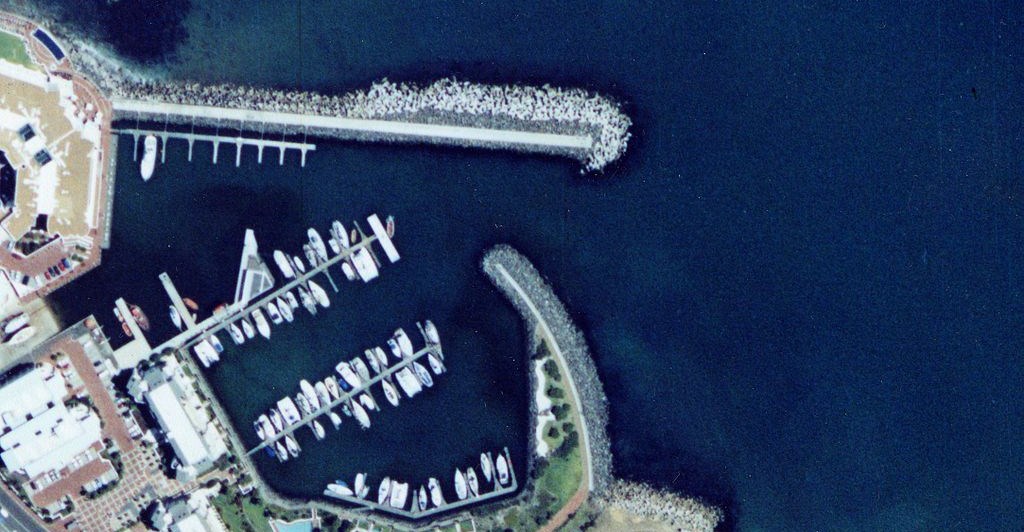
Source: Wikimedia Commons
At the centre of the proposal is a plan to reclaim between 3.2 and 3.8ha of land from the ocean to create the physical platform for a new mixed-use waterfront precinct. The project includes the construction of major breakwaters and coastal protection structures that will reshape the shoreline and establish a sheltered marine environment capable of supporting public access, water-based activities and future development.
However, despite the scale and visibility of the broader expansion plans, the core marine works have not yet begun in earnest. Instead, the project is currently moving through environmental approvals, technical reviews and a formal public participation process — a critical stage that will determine whether the reclamation component can proceed.
For infrastructure and construction stakeholders, this phase is particularly significant. Coastal reclamation is among the most complex forms of civil engineering, requiring detailed modelling of wave dynamics, sediment movement and long-term climate resilience. The proposed breakwaters will play a dual role: protecting the new shoreline from wave energy while also defining the footprint of the reclaimed land.
Environmental scrutiny grows
Public comment is now a key focus. Authorities and project stakeholders are inviting input from residents, environmental organisations, maritime operators and urban planning professionals to assess potential impacts on marine ecosystems, coastal processes and access to the ocean edge. These submissions will feed into the environmental decision-making process and could influence design refinements or mitigation measures.
The consultation stage also reflects the growing scrutiny applied to large-scale coastal developments globally. Projects that alter natural shorelines must demonstrate that environmental risks — including habitat disruption and changes to coastal circulation — are properly understood and managed. In the case of the Granger Bay expansion, this process will help determine the conditions under which construction could move forward.
Complex coastal engineering
From a construction perspective, the marine works themselves are expected to be substantial. Building new land in an exposed bay will require significant volumes of rock, specialised marine plant and carefully sequenced engineering works to establish stable breakwaters before reclamation can take place behind them. This approach is essential to protect both the construction zone and the long-term integrity of the new precinct.
If approvals are granted, the reclamation phase will effectively unlock the next stage of development at Granger Bay, enabling new public spaces, waterfront promenades and mixed-use buildings to be introduced over time as part of a broader long-term expansion of the precinct.
For now, though, the project remains at a pivotal moment. With environmental governance, stakeholder engagement and technical planning underway, the outcome of the current regulatory process will shape when — and how — large-scale marine construction begins along this section of Cape Town’s coastline.
Get new press articles by email
We submit and automate press releases distribution for a range of clients. Our platform brings in automation to 5 social media platforms with engaging hashtags. Our new platform The Pulse, allows premium PR Agencies to have access to our newsletter subscribers.
Latest from
- Standard Bank Highlights Hidden Tax Pressure Ahead Of National Budget
- University Capacity Crisis Leaves Thousands Of Qualified Learners Without Placement
- TaxTim Urges Savers To Maximise TFSA Contributions Before Tax Year Deadline
- Geely Reports Rising NEV Sales And Strong Global Growth In January
- AGES 2026 Aligns With SONA And Budget To Unlock Green Growth Opportunities
- National Minimum Wage Rises To R30.23 Per Hour From March 2026
- Industry Leaders Call For Urgent Digital Skills Investment To Power Africa’s Fintech Future
- Wine Tourism Conference 2026 Explores Future Of Competitive Global Wine Destinations
- UCT Establishes ARISE To Address Underrepresentation In African Skin And Hair Science
- SendMePls Prepares Public Beta Launch To Tackle Unemployment And Delivery Gaps
- Tang Sandton Reopens With Refreshed Space And Renewed Focus On Human Connection
- Retailer Resets SAP Plan To Strengthen Financial Data And Risk Management
- Tourism Sector Partnership Celebrates Milestone In Enterprise And Supplier Development
- Mondelez Strengthens African Leadership With Appointment Of Hisham Ezz El Arab
- Clur Index Reveals Stronger November Trading Momentum Across Retail Property Sector
The Pulse Latest Articles
- The Great Generational Handover: Why South Africa’s Middle Managers Are The Hinge Of 2026 (February 23, 2026)
- Jennifer Hadley Photography Announces A Curated 2026 Katmai Bear Photography Season (February 18, 2026)
- Life Doesn’t Have To Be A Lot – The In-between Drink (February 17, 2026)
- Opinion Piece: Activating Leadership To Engage The Passive Workforce (February 11, 2026)
- Tchagra Trail Wilderness Consulting Launches A New Safari Experience In Photography And Tracking (February 9, 2026)