
Beck Family Estates Names Helen Kock CEO To Drive Premium Positioning And Sustainable Growth
Written by: WineLand Media Editor Save to Instapaper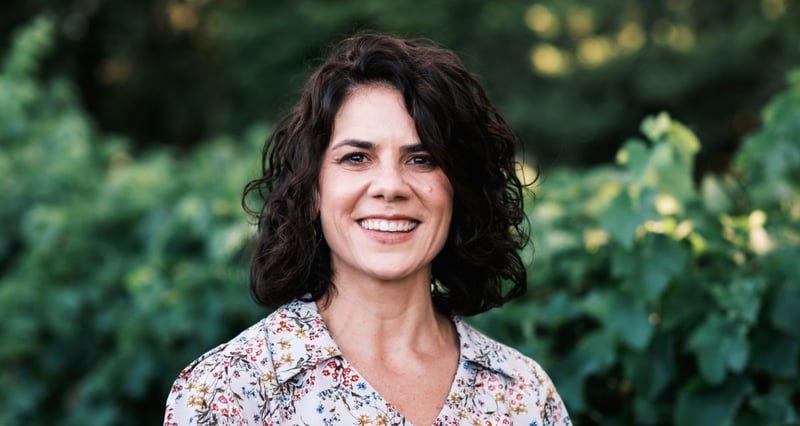
Helen Kock has stepped into the CEO seat at Beck Family Estates at a time when the South African wine industry is juggling pressure and possibility in equal measure. But she’s not flinching. In fact, she’s leaning in with a clear focus on premium positioning, long-term value and doing things properly.
As the newly appointed CEO of Beck Family Estates, Helen Kock brings both institutional memory and a fresh perspective to the table. She understands the DNA of the business and that heritage brands such as Graham Beck, Steenberg and Allure don’t happen by accident. But she also understands the global mechanics of how wine moves in the market, including rising costs, margin squeeze and international curiosity.
Having worked across both producer and distribution environments, Helen, who recently returned to South Africa from the UK, brings something the industry doesn’t always have enough of: a full overview of the value chain. She speaks fluent “terroir and vintages”, but she’s equally comfortable talking shelf space, working capital and pricing architecture.
She’s stepping in at a time when the industry is feeling the squeeze. Costs are up. Margins are thinner. International markets are more complex than ever. But she’s unfazed. If anything, she sounds measured, intentional and clear-eyed about the importance of playing the long game.
We caught up with her to talk pressure, premium positioning, sustainability (the real kind) and what leadership visibility means in 2026.
You’re stepping into the CEO role at a time of significant pressure and opportunity for South African wine. What are your immediate priorities?
South African wine is at a fascinating moment. The quality is undeniable and global curiosity is growing, but the pressures are real with rising costs, margin compression and increasingly complex markets.
For Beck Family Estates, the focus over the next two to three years is on depth rather than haste. We’re protecting the intrinsic value of our brands, safeguarding quality, reinforcing premium positioning and ensuring that growth never compromises authenticity. Credibility in global markets is built slowly and can be diluted very quickly. This stewardship mindset guides every decision.
We’re also working hard on better alignment across our entire value chain. Excellence in the vineyard and cellar must be reflected in everything we do, from how we show up internationally to how we present our wines. And importantly, we don’t play the volume game. We play the long game.
Your appointment is notable in an industry where women are still underrepresented at executive level. How do you see leadership visibility influencing change?
Representation matters. But it needs to go beyond symbolism. The wine industry is already rich with diverse talent in viticulture, winemaking, hospitality and commercial roles. The next shift is ensuring those pathways lead to strategic decision-making positions.
For me, leadership visibility isn’t about being the first. It’s about helping to make it normal. When leadership diversity is embedded into how organisations develop talent, allocate opportunity and define success, it stops being a headline. I’ve been fortunate enough to work with leaders who created space for me. My responsibility now is to help ensure that space becomes structural, not personality dependent.
I’m also proud to say I’m not the first woman in leadership in the Beck family’s South African operations. Elresia Myburgh in philanthropy, Catherine Schultze in hospitality and Emma Beck as vice-chair have already built a strong legacy. That says a lot about the values of this business. Real change accelerates when inclusion is built into systems, not treated as an exception.
Beck Family Estates balances heritage with global ambition. How do you protect authenticity while driving growth?
Authenticity is the foundation of sustainable growth. Brands such as Graham Beck and Steenberg are built on place, precision and long-term vision. Once identity becomes blurred, it’s very difficult to restore.
Commercial growth should amplify who we are, not dilute it. We’re deliberate about choosing markets and partners who understand premium positioning and long-term brand building. Growth aligned with identity strengthens brand equity. Growth that chases volume weakens it.
We’re fortunate in that our heritage gives us credibility and our global ambition gives us relevance. The key is ensuring they evolve together.
You’ve worked on both the producer and distribution sides. How has that influenced your thinking?
It’s influenced it profoundly. Producers think in vintages, terroir and craft. Distributors and retailers think in velocity, margin and shelf space. Both realities matter.
Having recently been in the UK market, I’m very aware of how relatable it is to customers when you understand their commercial pressures. That perspective helps us build solutions that make business sense across the entire value chain and ultimately serve the consumer.
Route to market isn’t logistics. It’s the continuation of the brand strategy into the consumer’s experience. Brand building doesn’t end at the cellar door. It begins there and must be protected all the way through to the glass. The days of producers thinking their role ends once the order ships are long gone.
Beyond the certification badge, what does sustainability really mean to you?
Certification matters. But sustainability shows up in daily decisions. For a premium estate, it must be environmentally, economically and socially sustainable, and those pillars must reinforce one another.
Environmentally, it’s about the stewardship of water, soil, biodiversity and energy. Economically, it’s about building margins that allow reinvestment. Socially, it’s about dignified employment, skills development and community engagement.
Someone once said, you’ve got to make money to do good. There’s truth in that. Sustainability can’t sit as a marketing overlay. It must sit inside operational decision-making.
At Beck Family Estates, some elements of stewardship are instinctive; it’s simply how we operate. The family’s philanthropic work, led by Elresia, is also creating a meaningful impact across South Africa.
Ultimately, we’re not just producing wine. We’re the caretakers of land, people and legacy.
Hospitality has become central to premium brand equity. How do you see that evolving?
Hospitality is one of the most powerful expressions of a wine brand. At Steenberg especially, the estate experience creates a deep connection point where wine, landscape, architecture and storytelling converge. I see the evolution of hospitality moving toward more intentional, immersive experiences. Provenance must be felt, not just explained.
For South Africa, hospitality is also a global showcase. When visitors encounter world-class wine alongside world-class experiences it elevates the entire category. And when that’s aligned with digital engagement and global storytelling, hospitality becomes both a margin contributor and strategic amplifier.
We’re fortunate to have strong collaboration with the Beck Family Hospitality team, led by Emma and Catherine. This alignment matters.
What structural or cultural shifts are still needed to translate diversity into leadership at the top?
Structurally, we need transparent promotion pathways, exposure to commercial accountability and board-level oversight of succession planning. Culturally, we need to move away from leadership that relies on informal influence and personalities, and towards leadership grounded in clear, transparent systems.
If South African wine wants to compete globally at the highest level, leadership development must be intentional, merit-based and inclusive. That’s not just socially responsible, it’s commercially strategic.
To explore more articles in our May issue, Woeker met jou wingerd, purchase our digital or print magazine here.
Get new press articles by email
We submit and automate press releases distribution for a range of clients. Our platform brings in automation to 5 social media platforms with engaging hashtags. Our new platform The Pulse, allows premium PR Agencies to have access to our newsletter subscribers.
Latest from
- Sassa Introduces Digital Systems To Cut Queues And Improve Grant Services Across South Africa
- Rising Enrolment Declines Drive Demand For Online Schools Like CambriLearn Worldwide
- How ZA Domain Extensions Help Businesses Connect With South African Customers Online
- South Africa Announces Major Fuel Price Hikes Amid Global Oil Supply Disruptions
- Viljoensdrift Wines Adapts To Global Decline While Preserving Generational Legacy And Quality
- Boxer Expands Into Retail Media With BMedia Appointment Of Industry Leader Adrian Naidoo
- Airlines Offer Discount Fares Despite Rising Costs And Disruptions Creating Pricing Paradox
- Health Department Confirms Hantavirus Case With Contact Tracing Underway After Expedition Incident
- Cape Town Launches Latest Film Fund Round To Grow Industry And Create Employment Opportunities
- Durban ICC Hub Enables GL Events To Deliver Faster More Cost Effective Event Solutions
- Pick n Pay Proposes Labour Changes To Cut Costs And Align With Retail Industry Norms
- Inspired Evolution Backs CrossBoundary Energy Growth With 40 Million Dollar Clean Energy Investment
- John Deere Film Showcases Family Values And Resilient Farming At Eersteling Farm
- Researchers Probe Hidden Drivers Behind Skin Lightening Use Amid Growing Health Concerns
- Egypt Targets Mining Growth To 6 Percent Of GDP As African Mining Week 2026 Showcases Opportunities
The Pulse Latest Articles
- The Achievement Zone: On Behalf Of Clive Robinson, Md Of Tutor Doctor Sa (May 4, 2026)
- Neurodiversity Pride Week Comes To South Africa This June (May 4, 2026)
- Building Ethical Ai Governance In Hr: From Policy To Practice (April 28, 2026)
- Tension Builds As Aquila Boxing Weigh-in Sets The Tone For Fight Night (April 27, 2026)
- Aquila Boxing Promotions Launches Knockout Chaos 1 With Explosive 2026 Fight Night Line-up (April 27, 2026)