
South African Wine Industry Adapts To Global Market Reset Through Premiumisation Strategies
Written by: WineLand Media Editor Save to Instapaper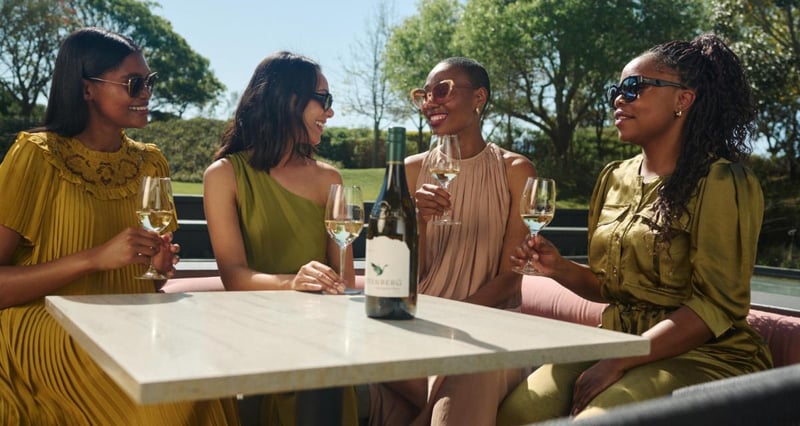
Why Story, Scarcity and Site Matter More Than Ever
The global wine industry is undergoing a reset. Worldwide wine consumption fell to its lowest level in more than 60 years, according to the International Organisation of Vine and Wine (OIV), as economic pressure, shifting drinking habits and global oversupply continue to reshape the market. This is prompting many wine regions to rethink how they position themselves in increasingly competitive export markets.
Yet while overall volumes are under pressure, premium wine remains resilient. Consumers are increasingly drinking less but better, prioritising provenance, craftsmanship, sustainability and authenticity over price alone. Wines with a clear sense of origin and identity are therefore standing out more in an increasingly crowded global market (Wine International Association).
For South African producers, this shift presents both a challenge and an opportunity.
“South African wine has historically competed strongly on value, particularly because of exchange rates and volume-driven exports,” says Carryn Wiltshire, Marketing Manager at Steenberg Vineyards. “But there has been a very clear shift toward premiumisation and differentiation, both locally and internationally, as consumers become more selective about quality and the overall experience attached to a wine.”
According to Wiltshire, global oversupply, particularly from European markets, has intensified pricing pressure in key export destinations, contributing to an estimated 8% decline in South African wine exports in recent years. However, much of that pressure remains concentrated in the bulk and lower-priced categories, while premium wines have proven more resilient.
This aligns with broader shifts in consumer behaviour. Millennials and Gen Z consumers are drinking less alcohol than previous generations, but when they do engage, they are often seeking products with stronger narratives, sustainability credentials and a sense of authenticity.
“The younger consumer wants more than just a product,” Wiltshire explains. “They want connection, storytelling and a sense of craft. Wine is both art and agriculture, and consumers increasingly want to understand the people, place and philosophy behind what they are drinking.”
That evolution is reshaping how producers approach varietals such as Sauvignon Blanc and Merlot. At Steenberg, Sauvignon Blanc remains central to the estate’s identity, but increasingly through a site-specific and highly selective lens. The estate produces three distinct Sauvignon Blanc expressions, each shaped by different vineyard blocks, exposures, soil profiles and cellar techniques.
“Every vineyard block is assessed individually,” says Wiltshire. “From soil analysis and canopy management to harvest timing and separate pressing, each decision is made to maximise flavour development and preserve the individuality of the site.”
These distinctions have become increasingly important in premium wine positioning where scarcity, precision viticulture and cellar selectivity are now viewed as markers of quality. Steenberg’s flagship Black Swan Sauvignon Blanc, for example, is produced from a small selection of top-performing vineyard blocks chosen specifically for their cooler conditions, slower ripening and distinctive flavour profile. At the same time, Blanc 2024 from Steenberg’s recently launched Canvas Collection reflects the estate’s more experimental approach to Sauvignon Blanc. Matured in French oak and blended from individually harvested vineyard blocks, it offers a more layered, textured and age-worthy expression while retaining Constantia’s hallmark freshness and restraint.
The same philosophy informs Steenberg’s approach to Merlot. Vineyard blocks have been replanted into warmer areas of the farm better suited to the varietal, while cellar decisions are driven by a more restrained, terroir-focused style inspired by traditional old-world winemaking.
This growing emphasis on origin and authenticity has also elevated the importance of certifications such as Wine of Origin (WO) and Integrated Production of Wine (IPW). Introduced to strengthen traceability, sustainability and regional identity within South African wine, these systems play an increasingly important role in consumer trust and education.
“Regionality and sense of place are key pillars in how consumers understand wine,” Wiltshire says. “Wine of Origin helps communicate not just where a wine comes from, but why that place matters in shaping style and quality.”
For producers, however, shifting perception remains complex. South Africa’s wine industry built its export success on accessibility and scale, and many retailers still prioritise volume and price over brand positioning. This leaves a fragmented market where premium wines often sit alongside bulk-driven labels under a single national identity.
“The South African industry has the terroir, heritage and winemaking talent to produce exceptional wines,” says Wiltshire. “What’s needed now is consistent messaging and confidence in the quality we produce. International recognition, strong storytelling and regional identity all help reposition South African wine where it deserves to be; among the world’s respected premium wine regions.”
Get new press articles by email
We submit and automate press releases distribution for a range of clients. Our platform brings in automation to 5 social media platforms with engaging hashtags. Our new platform The Pulse, allows premium PR Agencies to have access to our newsletter subscribers.
Latest from
- Topco Media Celebrates Africa’s Leading Innovators At Africa Tech Week Awards 2026
- Winter Skin Challenges Highlight Importance Of Hydration And Professional Skincare Advice
- South Africa Records Strong Tourism Growth As Sector Supports Jobs And GDP Expansion
- Dentons’ Iyunola Adekanye Appointed TO African Mining Week (AMW) Advisory Board
- Taxpayers Under Sars Pressure Urged To Approach Filing Season With Greater Strategic Care
- Science Or Hype Experts Examine The Truth Behind Viral PDRN Skincare Treatments
- Heineken Beverages Expands Consumer Engagement Through New eMedia Content Partnership Strategic Partnership Between Heineken Beverages And eMedia Redefines Television Brand Integration
- D&AD Awards Highlight South African Creative Talent Ahead Of Cannes 2026 Festival
- Connected TV Growth Across Africa Is Transforming How Brands Reach Streaming Audiences
- Stokvels Continue To Strengthen Financial Discipline And Community Resilience In South Africa
- Education Experts Highlight The Growing Impact Of Device Choice On Classroom Success
- African Climate Foundation Urges Action On Climate Resilience And Long-Term Development Planning
- Penquin Welcomes New Talent To Drive Growth Across Strategy, Digital And Creative Services
- South Africans Urged To Support Local Products To Boost Growth And Reduce Unemployment
- Eskom And Johannesburg Reaffirm Electricity Supply Agreement To Stabilise Debt Repayment Plan
The Pulse Latest Articles
- South African Women Are Missing This Essential Nutrient (May 20, 2026)
- Opinion Piece: Rethinking Performance: Why Behaviour Remains The Missing Link In Evaluation (May 20, 2026)
- 125 Years Of Hansgrohe And The Designers Who Made Axor A Luxury Language (May 19, 2026)
- World Whisky Day: Whisky Lovers Challenged To Stop Saving Their Best Bottles (May 15, 2026)
- Hidden Inefficiencies Are Draining South African Businesses (May 15, 2026)