
Kalk Bay’s History Runs Deeper Than Its Victorian Architecture - PRASA Development Raises Heritage Questions
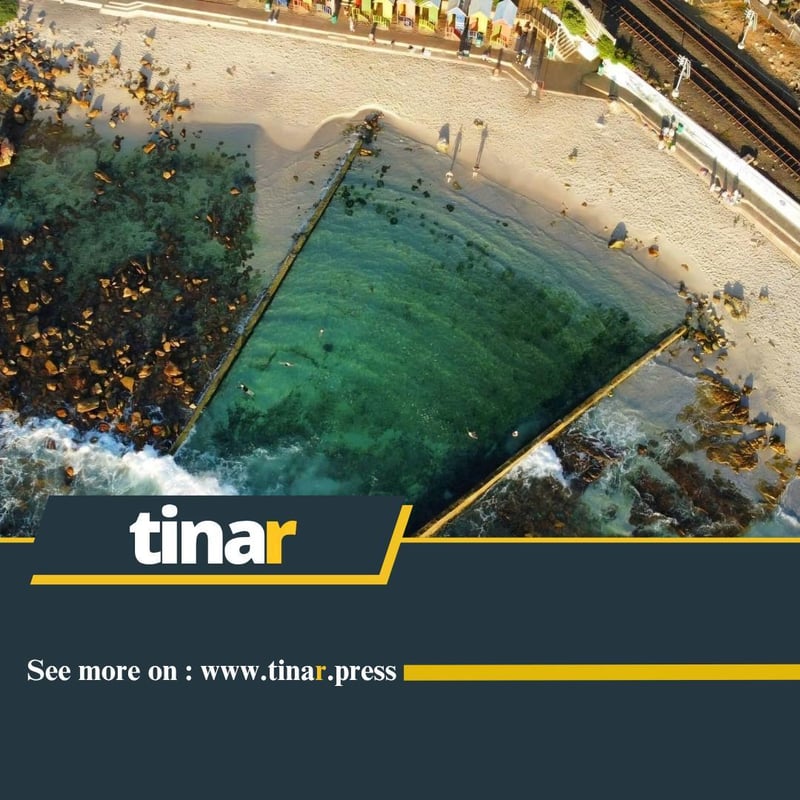
Kalk Bay and St James are often celebrated for their fishing harbour, colourful bathing boxes, Victorian architecture and coastal attractions. However, the history of this stretch of the Cape Peninsula extends considerably further back than its colonial buildings and railway infrastructure. Thousands of years before European settlement, Indigenous communities already understood this coastline, its freshwater springs, caves, marine resources and natural fishing grounds. As discussions around proposed PRASA “retirement” housing in Kalk Bay bring renewed attention to the area’s land and development, it is worth considering what historical and cultural heritage lies beneath the landscape being developed.
In an extensive historical investigation published on 26 November 2026, Sonja Wray explores the Indigenous history of St James and Kalk Bay, drawing attention to archaeological evidence of early human occupation, including caves, shell middens and stone fish traps. The area provided many of the resources necessary for sustaining communities, from freshwater flowing down the mountains to fish, shellfish, edible plants and natural rock shelters. The presence of hunter-gatherer communities, followed by Khoekhoe pastoral communities, demonstrates that this coastline was an established cultural landscape long before the arrival of the Dutch in 1652.
One particularly interesting aspect of Wray’s research concerns the possible Indigenous origins of some of the area’s familiar coastal attractions. The St James tidal pool, for example, is associated with an earlier stone fish trap, a traditional fishing structure designed to use the movement of the tides to capture fish. Similar possibilities have been raised about Bishop’s Pool in Kalk Bay, although its earlier use as a fish trap has not been conclusively established. These structures reflect generations of knowledge about marine ecosystems, tidal movements and coastal engineering. Yet coastal development, harbour construction and the conversion of traditional fishing structures into recreational facilities have contributed to the disappearance or alteration of important heritage features.
The disappearance of the historic St James freshwater spring adds another dimension to this story. GroundUp reported on 26 November 2026 that the spring, which became an important community water source during Cape Town’s 2017–2018 drought, has run dry, with residents believing its flow stopped in August 2025. The City officially closed the collection point in March 2026, but the cause of the disappearance remains unresolved. Beyond its immediate importance as a water source, the spring forms part of a much older environmental landscape that may have sustained Indigenous communities for generations. Its disappearance raises questions about groundwater, environmental protection and how much we understand about the natural systems beneath our increasingly developed coastline.
Against this historical background, proposed PRASA retirement housing in Kalk Bay deserves discussions beyond the question of what new residential accommodation might offer. Proposed development in historically significant areas should be accompanied by an understanding of the land’s archaeological, environmental and cultural value. This Is Not A Review but it can necessarily be an argument against development, and some may align it as an argument for responsible development, proper heritage assessment and meaningful consideration of the communities and histories connected to the area. I say a part of me argues agains development and this extensive research of GroundUp anchors my stance. The caves, freshwater sources, shell middens and possible fish traps should not be treated as disconnected historical curiosities when, collectively, they tell a story about centuries of human occupation and the relationship between people and this coastline.
Kalk Bay’s history did not begin with the railway, the harbour or the construction of its Victorian homes. It began with people who understood the land, depended on its water and harvested its coastal resources long before the modern town took shape. As questions surrounding PRASA’s proposed development emerge, there is an opportunity to look more carefully at what this landscape represents and what could be lost if development moves ahead without sufficient historical and environmental consideration. The question is not simply what can be built in Kalk Bay, but whether we are doing enough to understand and protect what was already here.
Original Story Credits :
Historical research: Sonja Wray, St James and Kalk Bay — The Ancient History Beneath Our Feet, 26 November 2026.
Original reporting: GroundUp, Historic Cape Town Spring Runs Dry, No One Knows Why, 26 November 2026. “Read the original GroundUp report“