
Platinum Health expands pharmacy services in mining community medical centres to improve chronic care access
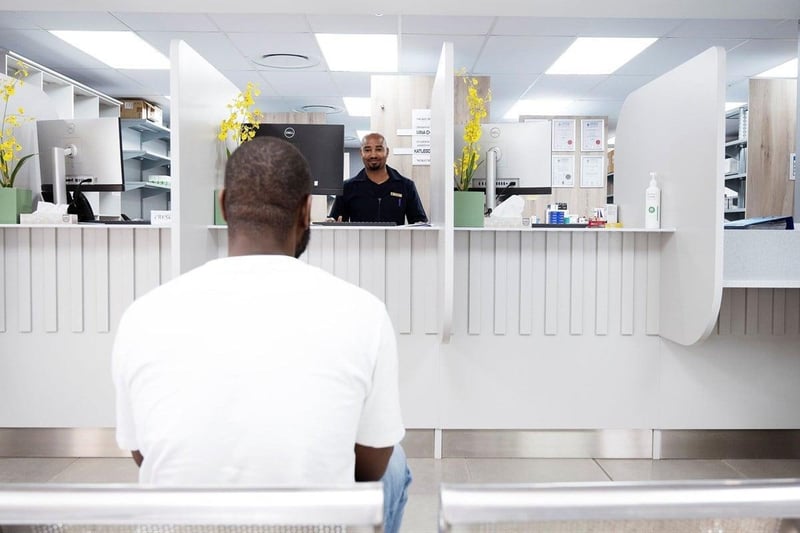
Proximity to healthcare services plays a vital role in improving access, encouraging earlier intervention and supporting better health outcomes for people in mining communities.
Pharmacy and healthcare personnel in strategically located medical centres are crucial to delivering accessible community healthcare and promoting chronic disease management, vaccinations, and point-of-care screenings.
For many people living and working in remote mining communities, accessing healthcare can mean significant travel, time away from work and family responsibilities, and other practical barriers.
This is why it is vital to make essential healthcare services accessible and convenient.
Easing the pressures
Mthabisi Ncube, Platinum Health’s chief healthcare officer, explains that the scheme has been expanding the scope of services it provides by strengthening pharmacy services within medical centres and improving access to in-house pharmaceutical services.
“Ensuring our members have access to comprehensive pharmacy services, with the capability to provide the support needed to manage chronic conditions effectively.”
This also reduces barriers to doctors and pharmacies, easing the financial hardship that travelling long distances can cause.
“Removing these barriers is key, as they can delay diagnosis, reduce treatment adherence and follow-up, and hinder proper health management,” he states.
“This is vital, as chronic disease continues to rise and requires a holistic service offering to proactively manage population health.”
One-stop shop
Tharina Lange, group pharmacy manager for the medical scheme, notes that placing pharmacies within medical centres provides a one-stop healthcare service that improves convenience, reduces travel time and costs, and enhances the patient experience.
“Having the pharmacy and consulting rooms in one facility makes it easy for patients to access the next level of care when referred by the pharmacy.
“This reduces delays in seeking treatment due to time, travel, or cost constraints. Earlier diagnosis and treatment, and better coordination between healthcare professionals, will more likely lead to better health outcomes,” she adds.
“Patients who will benefit most from pharmacy services close to home or work include the elderly, people with chronic conditions, and those with limited access to transport.”
Saving time, saving lives
Lange suggests that when community members collect their chronic medication during the same visit as their consultation, it saves time and costs while making treatment more convenient and accessible.
In turn, this also reduces the risk of missed medication and helps patients stay on treatment, supporting better long-term health outcomes.
“Pharmacists are often the first healthcare professional that patients approach because they are accessible, trusted, and available without an appointment.
“As a result, patients frequently raise concerns they may have delayed discussing elsewhere.”
“This could be anything from concerns with medication, such as side effects, dosage, drug interactions, missed doses, or difficulty adhering to treatment, to mental health concerns, where stigma, uncertainty, or fear may make patients hesitant to seek help.
“They are also likely to be more comfortable discussing symptoms or health problems they have been ignoring, usually due to fear of bad news or because they were hoping the issue would resolve itself.”
Overall clean bill of health
Beyond this, Lange continues, pharmacy teams also support patients in other ways, such as advice on vaccinations, chronic disease management, device use, screening services, and minor health concerns.
By improving access to care, this supports prevention, early intervention, and ongoing care.
“This enables better management of chronic conditions through direct access to chronic medicine and, ultimately, improved health outcomes for our patients,” she concludes.