
South Africa’s 500‑Day Loadshedding Break Sparks Battery ROI Questions
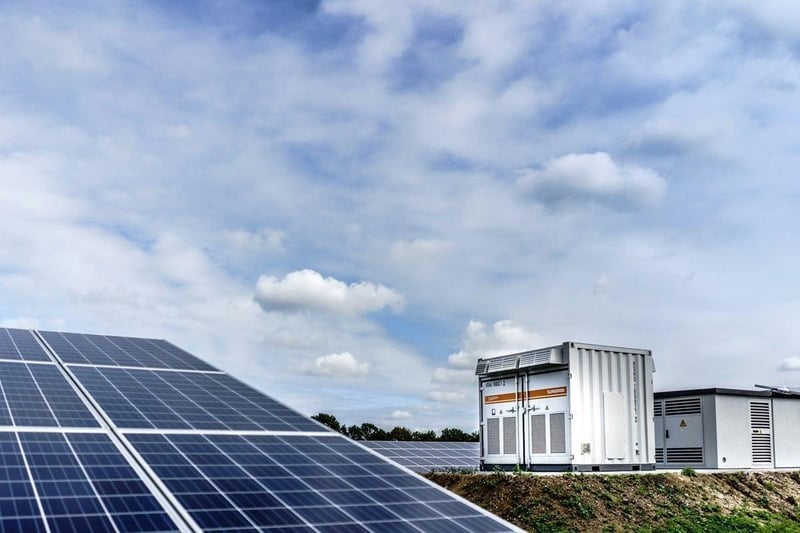
In early September, Eskom said South Africa had recorded almost 500 consecutive days without loadshedding.
That is excellent news, and long may it last. Thank you to everyone who believed in renewable energy, even if the unstable grid that was decimating the economy compelled you to invest.
If loadshedding has stopped, what do we use our batteries for now?
We bought batteries under pressure because the alternative was sitting in the dark or losing productive time. The brilliance of batteries is that backup was always only one of the jobs they can do.
Electricity is not cheap
The obvious place to start is the electricity bill. Eskom’s standard tariffs for directly supplied customers increased by 8.76% for 2026/27. That lands differently if you already own equipment that can store electricity and switch between the grid and your backup power.
For customers on a time-of-use tariff, electricity does not cost the same throughout the day.
When a meaningful gap exists between cheaper and more expensive periods, stored energy can cover part of the costly window. Eskom continues to apply peak, standard, and off-peak periods across its applicable time-of-use tariffs.
The important thing is that the capital has already been spent.
The battery is already installed, the inverter is already there, and in many cases the solar is in place too.
Instead of asking whether it was worth buying a battery for loadshedding, owners should ask whether they’re using the system they already paid for as effectively as possible to reduce their energy costs.
Use the solar you already paid for
A solar system produces electricity when the sun is available. A business or household doesn’t necessarily use electricity on the same schedule.
That mismatch is where a battery earns its keep. It can store excess daytime generation for the evening, reducing grid draw during peak hours.
The first question is whether the existing system is configured to do it.
If a large share of the battery is permanently held in reserve for loadshedding, an installer can assess whether that still makes sense. Businesses and households may want to keep some backup while making more capacity available for normal daily use.
Also, using more of the battery does raise a reasonable question about its cycle life. Lithium batteries are designed to charge and discharge repeatedly, and selected second-life LFP cells can handle demanding charge-discharge cycles.
That doesn’t mean the battery should be used without regard for its limits. It still needs proper configuration and operation within its design parameters.
The solar array also deserves a look. If the panels don’t reliably replenish the battery before evening, the answer may be more PV rather than a new storage system.
Businesses need a different calculation
Businesses have another reason to revisit batteries bought during the loadshedding years.
On tariffs that include demand charges, how sharply a site draws power at its busiest periods can influence the cost of electricity.
A battery can help take some of that load when demand climbs.
This will not suit every business. For example, a workshop has a very different demand profile from a cold-storage operation. However, storage can help a site manage energy costs, rather than waiting for a blackout.
We have long described load shifting and peak shaving as uses for battery energy storage systems. During loadshedding, resilience sold itself. Today, customers quite rightly want the numbers to make sense.
That means looking at the tariff, when the site uses power, what the solar installation produces, and what the battery does at those times.
That also means monitoring what happens after any changes. If the battery shifts consumption away from expensive periods, the test should focus on the electricity bill and the site’s consumption profile in the weeks that follow.
Keep the backup, use the battery
Of course, local power outages will always happen in suburbs or industrial areas. Therefore, it is important to keep a sensible emergency reserve. We all know the country’s distribution infrastructure is far from stable and is falling apart in some areas.
South Africans paid for these assets during a dark period. They still provide significant value, even with grid improvements.
But businesses and homeowners should ask whether the system they installed for the realities of 2022 or 2023 still matches how they buy and use electricity in 2026.
If not, they may need to adjust their existing setup with reputable installers, depending on their solar setup and consumption patterns.
South Africans bought batteries because they could not trust the grid.
They now have a chance to use those same assets to reduce exorbitant electricity costs.