
Dry Farmed Collective Debuts At ProWein To Promote Sustainable South African Viticulture
Written by: WineLand Media Editor Save to Instapaper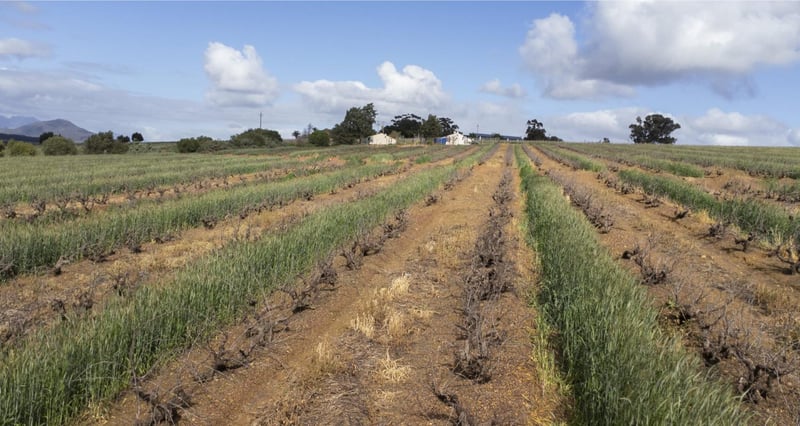
A new industry-led initiative for dry-farmed vineyards took to the global stage this March during its official launch at ProWein Düsseldorf. The Dry-Farmed Collective, an initiative of Perdeberg Wines, brings together growers, producers, researchers, and advocates committed to protecting and promoting the country’s rain-fed vineyards.
The launch introduced the concept to global buyers and media and showcased wines from early adopters to explain the Western Cape’s dry-farming in context – from rainfall patterns and soils to the heritage of rain-fed vineyards. The launch positions South Africa not only as a quality wine producer, but as a leader in sustainable, water-responsible viticulture.
By uniting local producers under a shared identity, the initiative aims to build a valuable narrative around water stewardship, vineyard heritage, and authenticity – attributes that resonate with global wine consumers. “South Africa already has about 10 760 hectares of dry-farmed vineyards, yet much of their value remains under-recognised in the market,” says Gerhard van der Watt, CEO of Perdeberg Group. “We already have a good database of the roughly 12% of South Africa’s vineyards that are dry-farmed, which has been shared by industry bodies that recognise the importance of protecting these sites.”
What it is
Dry-farming – cultivating vines without irrigation, relying solely on seasonal rainfall – promises to be both a heritage practice and a climate-smart solution. The approach thus relies on long-term ecological resilience rather than irrigation.
In other words, if you have irrigation pipes in the vineyard, it’s not dry farming.
Key strategies include deep-rooted vines accessing subsoil moisture, soil management practices such as cover crops, mulching and organic matter to retain water, and vineyard architecture that balances canopy and sun exposure.
These methods strengthen natural drought tolerance: grapevines are inherently resilient to dry climates and often produce smaller berries with more concentrated flavour under moderate water stress. “Research also shows that vines grown under dry conditions develop deeper root systems and adapt physiologically to drought over time, improving long-term stability in water-scarce climates,” Gerhard says.
“Dry farming is widely practised internationally in regions such as Spain, Portugal, Australia, and parts of California. What distinguishes South Africa is that many vineyards were historically dry-farmed long before water scarcity became a global concern. This legacy offers a powerful positioning: a proven tradition of climate-adaptive farming rather than a recent sustainability trend, aligning with growing global interest in regenerative agriculture and water stewardship.”
Collaboration
The Collective enjoys strong support from the industry, with South Africa Wine, SAWIS, WoSA, Vititec and others sharing knowledge and resources. “They all recognise the value of protecting these vineyards and promoting dry-farmed wines as part of South Africa’s wine story,” Gerhard says.
Since many of South Africa’s old vineyards are also dry-farmed, the Collective has had extensive discussions with Rosa Kruger and Nadia Hefer from the Old Vine Project. “The Old Vine Project has access to a great deal of research, and much of that knowledge will also feed into the work of the Dry-Farmed Collective and the resources we plan to share through our platform.”
A collective approach creates scale, credibility, and market visibility that individual producers struggle to achieve on their own. “By presenting a unified voice, the Dry-Farmed Collective can share research and technical expertise, strengthen messaging around sustainability, increase visibility at local and international trade platforms, and offer producers of all sizes a cohesive marketing banner,” Gerhard says. “This unified narrative helps trade and consumers recognise dry farming as a meaningful category rather than isolated producer claims.”
The Collective plans to expand through shared value rather than scale. Key initiatives that will entice membership include technical knowledge sharing among producers, collaborative research partnerships, joint local and international marketing and trade representation, and education and training programmes for vineyard teams.
Unique value proposition
The Dry-Farmed Collective unlocks value by clearly defining and communicating dry-farming as a distinct, sustainable production method. This will help protect and properly recognise these vineyards, while ensuring the claim of “dry-farmed” remains credible and transparent for both the trade and consumers.
In a world facing intensifying drought, water-efficient agriculture is becoming a strategic advantage. “Global research shows the land area affected by drought has doubled since 1900 and water scarcity is increasingly shaping agricultural markets,” Gerhard says.
Dry-farming addresses these challenges head-on, and The Dry-Farmed Collective provides a credible point of difference consumers can get behind. “Research and industry evidence show that when consumers understand the environmental benefits, they are willing to pay a premium for sustainable wines – particularly in a market trend where people are drinking less but choosing higher-quality wines.”
“Dry-farmed vineyards conserve water while producing wines with strong terroir expression, concentration, and authenticity – qualities increasingly valued by international buyers seeking sustainable, origin-driven wines.”
Get new press articles by email
We submit and automate press releases distribution for a range of clients. Our platform brings in automation to 5 social media platforms with engaging hashtags. Our new platform The Pulse, allows premium PR Agencies to have access to our newsletter subscribers.
Latest from
- Twin Transition Challenge Tackles Youth Unemployment And Skills Gap Linking Digital And Green Solutions
- Coca‑Cola South Africa Moves Stoney Ginger Beer to Clear Bottles to Improve Recyclability
- Intelligent Workplace Design Emerges As Strategic Asset Amid Downsizing Trends
- Creslow Energy Secures Abadali Fund Investment to Scale Lithium Battery Production
- Hansa Pilsener Targets Older Drinkers With Not For Persons Under The Age Of 30 Campaign
- African Mining Week 2026 To Host Middle East Africa Roundtable Connecting Gulf Investors With African Mining J
- Mr Price Launches Limited Edition Mr Price x Sphokuhle 17 Piece Y2K Collection
- FIFA World Cup Turns Shopping Trips into Community Celebrations at NAD Malls
- Woolworths Holdings Group Implements Restructuring To Decentralise Decision Making
- Over 40% of Social Media Marketers Plan to Quit Amid Poor Managerial Support
- MDNtv Launches Weekly Creative Programme To Equip Young People With Media Skills And Hope
- Vodacom Adds Amazon Prime Benefits to Red Core Red Flexi and Red VIP Plans
- LWSAN Urges Voluntary Adoption Of 2026 Living Wage Based On UCT Study
- Sars Auto Assessments Offer Convenience But May Miss Deductions Warns Tax Director
- Toyota Updates Hilux With Major Evolution Focused On Safety Technology And Comfort
The Pulse Latest Articles
- The Real Ai: How African Ingenuity Drives Growth And Distinguishes The Continent’s Logistics Sector (June 25, 2026)
- Sotru Launches To Stop Supplier Fraud At The Moment Of Payment (June 23, 2026)
- The Death Of The Dinner Party? Why South Africans Are Choosing Convenience Over Traditional Entertaining (June 23, 2026)
- Wildbeest Media Launches 2026 Tourism Marketing Campaign Service For South African Travel Brands (June 22, 2026)
- Opinion Piece: The Chair Is Not The Person: A Ceo’s Hardest Leadership Lesson (June 22, 2026)