
Soaring demand and land scarcity make Cape Town and Durban investor hotspots
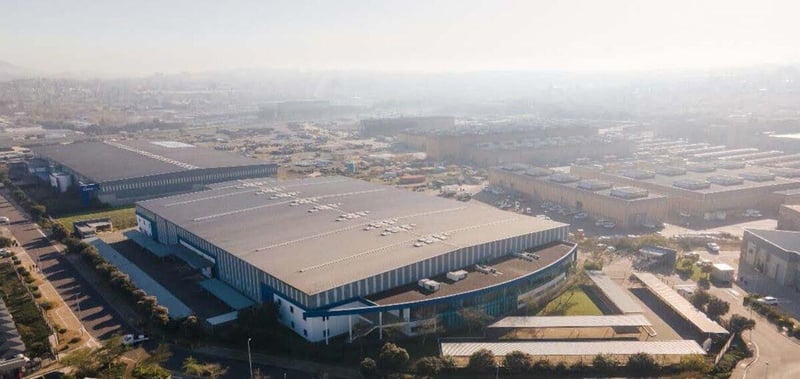
With land constraints tightening, infrastructure under pressure and demand surging, well-located industrial and logistics facilities in Cape Town and Durban will remain sought after
As global supply chains shift under the weight of e-commerce, localisation and climate risk, Cape Town and Durban have emerged as two of Africa’s most investable logistics and industrial (L & I) markets due to their resilience, adaptability and strong investor appeal.
While much of the world grapples with rapid reconfiguration of supply chains and shifting tenant conditions, key South African nodes are being defined by scarcity, rising demand and strategic repositioning, according to the latest commentary from Cushman & Wakefield | BROLL, backed by insights from the firm’s Waypoint Global Industrial Dynamics and Climate Risk: Logistics & Industrial Global Outlook reports.
Scarcity, strategy and semigration fuel Cape Town’s industrial edge
Cape Town continues to outperform, with rising rents and declining vacancies underpinned by a period of semigration, operational stability and constrained industrial land. “Demand is being driven by a flight to quality, semigration from other provinces and growing e-commerce,” says Shane Howe, Head of Western Cape Industrial Broking at Cushman & Wakefield | BROLL.
Strong governance and functioning infrastructure position the city as a low-risk node compared to Gauteng. “The Cape market is supported by limited stock availability and escalating demand, especially for modern industrial parks,” says Howe. Development hotspots such as Brackengate and Richmond Park are expanding, while gentrification in older nodes like Epping and Parow unlock additional opportunity.
“Against this backdrop, investors and occupiers must thoroughly align business strategy with location and asset selection to ensure long-term sustainability,” he says.
Land scarcity creates strategic opportunity in Durban
In Durban, chronic land shortages and rising operational costs have created a landlord-favoured market. “There has been no meaningful release of flat, flood-free land in over a decade. Most viable land is tied up in Tongaat Hulett’s portfolio and development remains stalled by topography and financial constraints,” says Anthon van Weers, Full Status Property Practitioner at Cushman &Wakefield | BROLL.
Vacancy rates are at historic lows. “Units, especially mini-units and large distribution centres (DCs) are snapped up almost immediately,” says Van Weers. Triple net rentals for A-grade DCs currently range between R105/m²–R110/m² with further rental escalation likely if supply remains constrained. However, high municipal rates double that of Cape Town or Johannesburg deter some tenants.
Still, Durban remains attractive to owners. “Despite high costs, Durban is a low-risk investment market because of stable demand and long-term leases from logistics operators near the port. Proximity to port infrastructure offers a decisive cost advantage,” says Van Weers.
Rental trends and vacancy pressures
Cushman & Wakefield’s global data shows a 43% surge in logistics investment over the past decade, driven by urbanisation, e-commerce and supply chain reconfiguration. Globally, more than half of logistics markets are projected to experience rental growth through 2027, driven by strong occupier demand.
South Africa is on the same path but with an added urgency due to land scarcity around key Cape Town nodes and the Durban port. Rental growth is accelerating in both cities, particularly in high-demand, low-supply zones, signalling a unique opportunity for climate-conscious and future-proof investment.
While formal L&I development lags mature markets, African developers increasingly see infrastructure as integral to asset value, a shift aligned with global best practice.
Van Weers stresses this in the Durban context: “Buying land now may seem expensive, but rising scarcity means that pricing could look attractive in hindsight.”
Climate risk emerges as a new driver
According to Cushman & Wakefield’s Climate Risk report, climate-resilient assets are now achieving stronger lease uptake and longer tenures, with facilities in lower-risk zones commanding higher rentals and lower incentives. Yet, many markets have ignored climate risk, leaving assets exposed and underscoring the need for smarter development.
In addition, climate risk is now central to asset valuation and investment due diligence. From capital expenditure planning to leaseability and compliance, assets that embed mitigation strategies early attract stronger investor interest and pricing premiums.
This is mirrored locally, with tenants, especially multinationals factoring in resilience, water security and energy independence when selecting sites. South Africa’s Western Cape corridors and select Durban nodes are emerging as premium options, according to Cushman & Wakefield | BROLL.
Growth drivers
Global trends point to e-commerce, 3PLs (third-party logistics) and last-mile delivery as major sector drivers. E-commerce alone has surged 289% globally in the past decade and is now the leading demand driver in the Americas and EMEA regions (Europe, the Middle East, and Africa).
Locally, the Western Cape’s infrastructure, lifestyle appeal and political stability are reinforcing this trend. In Durban, mini-units and small-format warehouses measuring 100sqm to 500sqm are in high demand as small businesses shift from traditional retail to fulfilment-based industrial space.
“Some retailers are closing stores and shifting to warehouse models to meet online demand,” says Van Weers. “Decentralised nodes like Cato Ridge, Shongweni and Tongaat, however, have struggled to gain traction due to high logistics costs.”
As supply chain strategies globally shift toward nearshoring, flexibility and resilience, South Africa’s logistics and industrial sector, particularly in Cape Town and Durban, is not only keeping pace but offering unique value propositions for investors and occupiers.
“This is no longer just about real estate. It’s about strategic alignment between business operations, infrastructure resilience and long-term investment performance,” adds Howe.
…/ends
Release information
Issued on behalf of
Cushman & Wakefield | BROLL
Media contact
Catchwords
Angie Di Giovampaolo