
Beyond the Spotlight - Lolo Vandal Calls on Artists Worldwide to Use Their Influence for Social Change and a Better Future
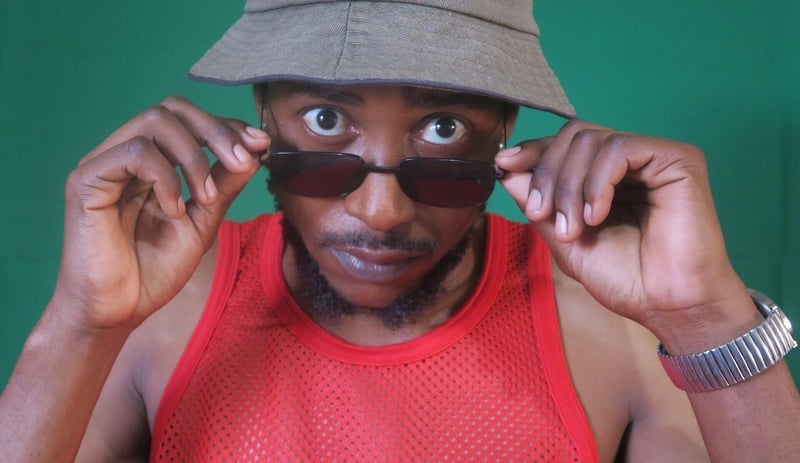
In a world where music has become one of the most powerful forms of communication, artists occupy a unique position in society. Their influence extends far beyond entertainment, reaching into the minds of young people, shaping public opinion, influencing cultural values, and contributing to the conversations that determine the future of nations. From local communities to international audiences, artists have the ability to bring people together, challenge established thinking and draw attention to social realities that demand collective understanding. It is against this background that Lolo Vandal is encouraging artists to recognise the responsibility that comes with their influence and to use their voices to help people understand the social challenges affecting their communities and the future of their countries.
For Lolo Vandal, the role of an artist should not be measured exclusively by the number of streams a song receives, the size of an audience, the popularity of a music video, or the financial rewards associated with a successful career. While these achievements are important in an industry where talent must translate into sustainable livelihoods, there is a deeper responsibility that comes with being heard by thousands or even millions of people. Artists have the opportunity to influence how people think, what they value and how they respond to the challenges around them. Their voices can encourage awareness, inspire responsible decisions and remind society that the future is shaped by the choices people make today. The question, therefore, is whether artists are willing to use their influence for something greater than commercial success.
Music has historically played an important role in documenting the experiences of societies, expressing the frustrations of ordinary people, and creating space for conversations about injustice, inequality, freedom and social change. Across different countries and generations, artists have used their creativity to reflect the realities of their time, giving people a language through which they can understand their struggles and imagine a better future. In many communities, music reaches people in ways that formal institutions and traditional communication channels cannot. A message delivered through a song or an artist's public platform can resonate deeply because it connects with people's emotions, experiences and aspirations. This makes artists important participants in the broader conversation about social development and the direction in which society is moving.
Lolo Vandal's call is not for every artist to become a politician or to speak authoritatively on every issue affecting the public. Rather, it is an invitation for artists to recognise that influence carries responsibility and that their platforms can be used to promote greater understanding of the issues affecting people's lives. Unemployment, poverty, corruption, violence, substance abuse, inequality, environmental challenges and the growing spread of misinformation are among the issues confronting societies across the world. These challenges require informed citizens who can distinguish between what benefits them in the short term and what contributes to their long-term well-being. Artists may not have all the answers, but they can encourage people to ask important questions, seek reliable information and think critically about the decisions that shape their collective future.
The modern music industry, however, operates in an environment where success is increasingly defined by numbers. Streams, followers, engagement rates, sold-out performances, brand partnerships and online visibility have become major indicators of an artist's influence. Musicians are under constant pressure to remain relevant, attract attention and compete in an industry where public recognition can change rapidly. There is nothing wrong with wanting financial success or building a profitable career from one's talent. Artists deserve to be rewarded for their creativity, hard work and contribution to the cultural economy. The concern arises when the pursuit of money and recognition becomes so dominant that it overshadows the values and responsibilities that should accompany public influence.
If artists can mobilise thousands of people to stream a song, attend a concert, purchase merchandise, or support a new release, they can also use that same influence to encourage meaningful conversations about education, accountability, personal responsibility, social cohesion, and the future of their communities. The audiences behind those numbers are not simply statistics on a digital platform. They are people with families, ambitions, challenges, and futures that can be affected by the messages they consume. Many listeners look to musicians for inspiration and guidance, particularly young people who are still developing their understanding of the world. Recognising this connection should encourage artists to think carefully about what their influence represents and whether their public contributions are helping audiences become more informed and socially conscious.
One of the concerns raised by Lolo Vandal's message is the possibility that financial interests may influence, weaken, or silence the voices of artists. In an industry built around commercial relationships, musicians often depend on sponsors, record labels, promoters, managers, and other business partners to sustain their careers. These relationships can create valuable opportunities, but they can also introduce pressures that affect what artists say, which causes they support and which issues they avoid. When an artist becomes afraid to address a social problem because doing so might threaten a financial partnership or damage a commercial relationship, an important opportunity for public awareness may be lost. Money should enable artists to grow their careers and expand their reach, not become the force that determines whether they can speak honestly about issues that matter to society.
This does not mean that every artist who remains silent has been influenced by money, nor does it suggest that musicians must comment on every controversy to prove their integrity. Silence can have many explanations, including personal boundaries, a lack of information, or a decision to allow people with relevant expertise to lead a discussion. However, there is a meaningful difference between choosing not to speak because one needs time to understand an issue and remaining silent because financial interests have become more important than personal conviction. Artists should be able to make responsible decisions about when and how they engage with social challenges without feeling compelled to surrender their principles for commercial approval. Their independence matters because public influence loses much of its value when audiences can no longer trust the sincerity behind the message.
Equally important is the relationship between artists and the people who believe in their music. Listening to a song can be an emotional experience, but believing in an artist often extends beyond the music itself. Audiences may identify with an artist's experiences, draw inspiration from their journey, adopt aspects of their lifestyle, and pay attention to their opinions on matters beyond entertainment. In this sense, supporting an artist can become an expression of trust in the person behind the creative work. Lolo Vandal is encouraging people to understand that this relationship carries a deeper meaning. Believing in someone's music should not be limited to streaming their songs or defending their popularity; it should also involve examining the values they promote, the example they set and the messages they contribute to society.
Nevertheless, this relationship should never become an invitation to blind loyalty. Artists are human beings who can make mistakes, misunderstand complex issues, or hold opinions that deserve to be questioned. A healthy relationship between an artist and an audience allows room for independent thought, respectful disagreement and accountability. The responsibility of an artist is not to demand that people follow every word without question, but to use their influence in ways that encourage audiences to become more informed and capable of making their own decisions. The greatest form of influence is not the ability to control what people believe, but the ability to encourage them to think more deeply about what they believe and why. When artists promote awareness rather than unquestioning devotion, their contribution to society becomes more meaningful and sustainable.
Young people have a particularly important place in this conversation because they are both major participants in music culture and among those most affected by the social and economic challenges facing many countries. Unemployment, unequal access to education, limited opportunities, violence, mental health pressures, and uncertainty about the future continue to affect young people in different parts of the world. At the same time, young audiences help determine which artists become influential, which songs dominate digital platforms, and which cultural trends spread across communities. This relationship presents artists with an opportunity to use their visibility to encourage constructive thinking about the future. Through their music, interviews, public appearances and digital platforms, they can promote education, discipline, entrepreneurship, respect, peaceful coexistence and responsible citizenship without sacrificing creativity or entertainment.
There is no requirement for every song to carry a political message or address a social problem. Music should remain a space for artistic freedom, emotional expression, celebration and imagination. However, entertainment and social responsibility do not have to exist in opposition. An artist can create commercially successful music while also supporting meaningful causes, encouraging young people to pursue opportunities and drawing attention to issues that affect their communities. The important consideration is whether artists recognise that their platforms offer opportunities beyond personal promotion. When influential musicians speak thoughtfully about the realities facing their audiences, they can help make difficult conversations more accessible and encourage people to see themselves as participants in shaping their own futures.
This responsibility also extends beyond individual artists to the wider music industry. Record labels, sponsors, event organisers, streaming platforms, media organisations and other industry stakeholders influence which voices receive attention and which messages reach large audiences. If the industry rewards artists exclusively for commercial performance, controversy, and visibility, socially meaningful conversations may struggle to compete for public attention. A more responsible creative environment would recognise that an artist's contribution cannot always be measured through sales and streaming figures alone. Supporting artistic independence, encouraging community engagement, and creating opportunities for socially conscious work can help establish an industry in which commercial achievement and public responsibility reinforce one another rather than compete for space.
On a global level, the message promoted by Lolo Vandal speaks to a wider question about the relationship between celebrity, culture and citizenship. Different countries face different challenges, but many share concerns about inequality, political accountability, violence, social division, environmental sustainability and the growing difficulty of separating reliable information from misinformation. Artists often reach audiences across national and cultural boundaries, giving them opportunities to encourage understanding between people with different experiences and perspectives. Their influence can help communities recognise shared challenges while respecting the differences that make each society unique. However, this influence must be exercised thoughtfully. Artists should seek reliable information, acknowledge the complexity of social problems, and avoid using their popularity to spread misleading claims or deepen unnecessary divisions.
Ultimately, the future of a country is not shaped by governments and institutions alone. It is also shaped by the values people adopt, the information they trust, the leaders they hold accountable, and the choices they make in their daily lives. Artists are not responsible for solving every social problem, but they are part of the cultural environment in which people form opinions and develop their understanding of the world. Their voices can help direct attention towards important issues, encourage public reflection and remind audiences that the consequences of today's decisions will be experienced by future generations. When artists recognise this responsibility, their influence becomes more than a means of attracting attention; it becomes an opportunity to contribute to a more informed and engaged society.
Lolo Vandal's message ultimately challenges artists to reconsider what success and legacy mean in an industry that often celebrates visibility above everything else. Streams matter, financial independence matters, and the freedom to build a successful career matters. Yet these achievements should not become the only reasons artists value their platforms. The people who support their music deserve more than content designed solely to maintain attention. They deserve artists who understand the importance of integrity, who are willing to encourage awareness, and who recognise that influence comes with an opportunity to contribute positively to the lives of others.
The real measure of an artist's legacy may therefore lie not only in the number of songs released, awards received, or records broken, but also in the conversations they inspired, the awareness they helped create and the courage they demonstrated when important issues required thoughtful attention. Artists do not need to have all the answers, but they should recognise the value of asking the right questions and encouraging their audiences to do the same. As Lolo Vandal urges, the voice of an artist should not be driven entirely by money, nor should it be silenced by financial interests when meaningful issues demand attention. Music has the power to entertain, unite and inspire, but it also has the potential to deepen understanding and encourage people to take greater responsibility for their future. When artists embrace that broader purpose, their influence can extend beyond the charts and become part of a lasting contribution to society.
Release information
Issued on behalf of
African Elephant PR
Media contact
African Elephant Productions
Zuxole Ngetu